



How IoT Can Deliver Real Customer Value Through Outcome‑Focused Automation

While IoT adoption accelerates and fresh use cases surface daily, the industry risks stagnation if companies lose focus on digitisation’s core promise: enhancing everyday customer experiences.
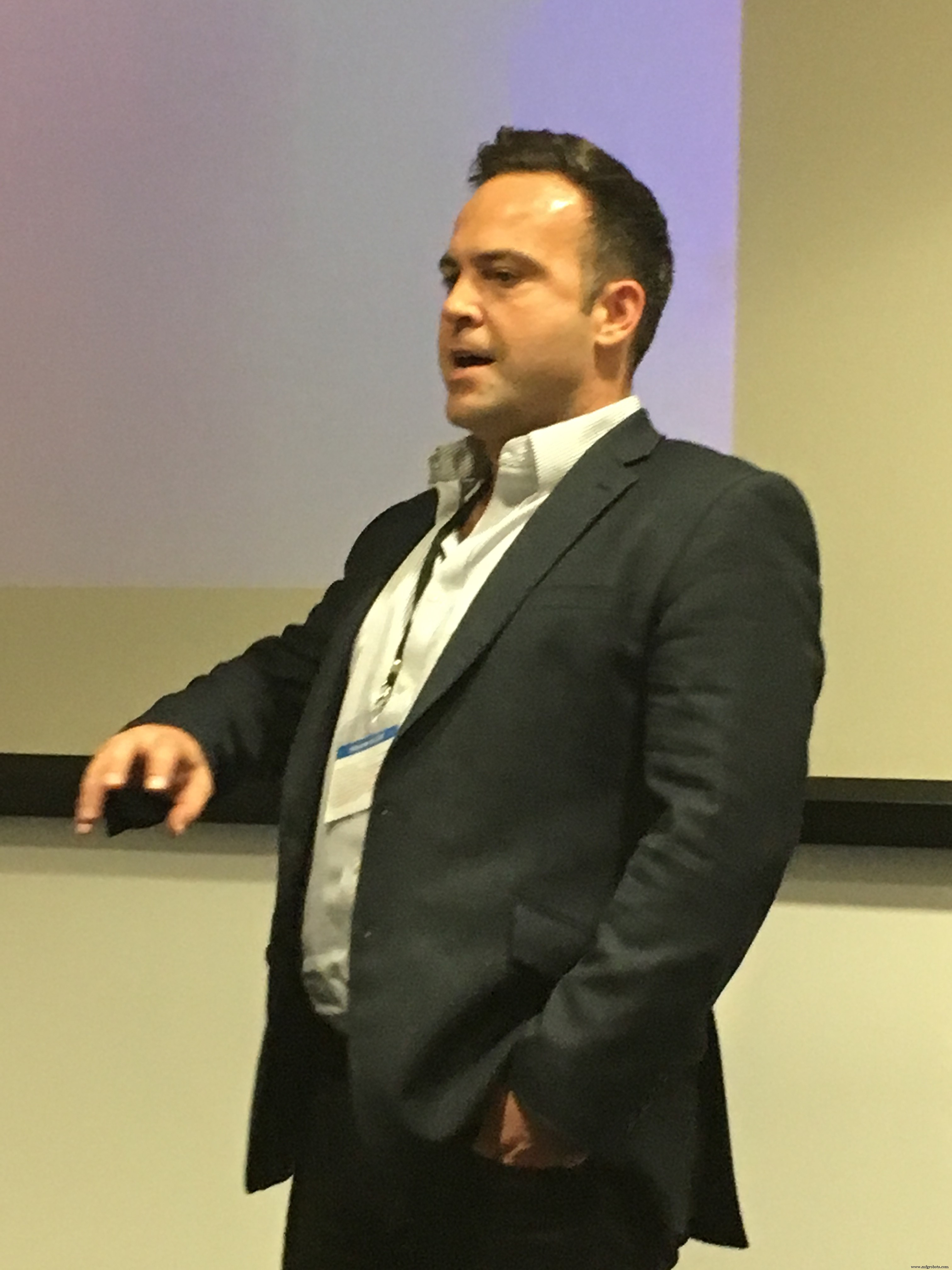
Efficiency is a key benefit of IoT, yet gains must translate into tangible customer‑centric outcomes—product quality, environmental commitments, waste reduction—rather than mere process automation, says Jason Kay, CCO of IMS Evolve.
Digitisation falters
Identifying why many organisations struggle to achieve meaningful digitisation is complex. Factors include technology overload, overly ambitious initiatives, and a vendor narrative that equates digital transformation with costly, high‑risk overhaul.
These challenges are symptoms, not root causes. Progress stalls when digitisation targets fail to align with a company’s fundamental business objectives.
Vertical, siloed digitisation projects usually deliver only short‑term process gains. When obstacles appear, managers may abandon them, questioning why to continue a venture that offers only marginal efficiency improvements and neglects critical outcomes like customer experience.
Fast‑tracking digital transformation demands fresh thinking. When executed properly, disruptive initiatives can challenge entrenched models yet unlock new opportunities, reshape markets, and drive innovation.
By zeroing in on core business priorities, organisations can uncover cost‑saving opportunities while simultaneously delivering measurable value aligned with explicit outcomes.
Reconsidering digitisation
The IT sector often contributes to the dilemma: it showcases alluring new tech—from robotics to AR—while simultaneously insisting that digital transformation demands multi‑million‑pound overhauls and major disruptions to everyday operations.
Consequently, crafting sustainable, deliverable digital strategies is tough, and the confusion will persist if companies chase novelty and ignore broader, outcome‑driven objectives.
Realising digitisation’s full promise requires cross‑organisational discipline centred on core business goals. Lacking this focus, firms risk endless, fragmented projects that add little to a cohesive strategy—and squander the value of existing infrastructure.
Take an IoT layer that spans refrigeration assets across the supply chain to monitor temperatures. A process‑centric approach would aim to boost efficiency by rapidly accessing refrigeration monitors, controls, and energy tariffs to cut consumption and costs.
Yet if the project is measured solely by energy savings, the initial benefits may fade, leaving management questioning its value. Digitalising the cold chain, however, influences many corporate outcomes—customer experience, higher basket sizes, and waste reduction—making it far more than incremental cost cuts.
Supporting multiple business outcomes
Improper cooling undermines food quality: watery yogurt, soggy sliced meats, browned bagged salad—all degrade brand perception and shrink basket sizes. The resulting inefficiencies are often masked by excessive supply‑chain over‑compensation.
Retailers counter these quality lapses by overstocking, hoping to discard unsaleable items—leading to needless over‑production by producers and contributing to billions of pounds of food waste annually.
Such a strategy erodes brand equity on energy use, environmental responsibility, and waste minimisation, while undermining key outcomes: enhanced customer experience, higher sales, and leaner inventory.
By adopting an outcome‑oriented view of cold‑chain digitisation—targeting energy savings, customer experience, food quality, waste minimisation, and environmental stewardship—organisations unlock the full strategic value.
Moreover, this initiative leverages existing legacy infrastructure, overlaying digital layers onto a traditionally low‑profile retail process. It delivers ROI while simultaneously enhancing customer experience.
Reinvigorating digitisation strategies
To shift digitisation from sporadic pilots to enduring strategy, organisations must make two key adjustments. First, they must explore how existing infrastructure can be repurposed to unlock value.
For instance, overlaying digital controls onto existing parking‑light systems can optimise lighting schedules, enhance brand equity, and cut costs. Amid dazzling new technologies, it is easy to miss this vital opportunity to revitalize existing assets.
Second, firms must align digitisation initiatives with wide‑ranging business outcomes—tracking macro‑economic effects, collaborating up‑stream with farmers to tackle the global food crisis, and evaluating customer‑experience impact.
Cross‑functional collaboration is essential. Engaging stakeholders from energy, customer experience, and waste management not only strengthens the business case but also secures broader commitment to implementation.
Merging engaged, cross‑functional teams with a legacy‑infrastructure focus yields multiple benefits: rapid, low‑disruption change and cost savings—often deploying digital layers at a fraction of a full overhaul.
Employing proven technologies reduces risk and accelerates ROI, freeing capital for subsequent digital investments. An outcome‑driven framework also builds corporate credibility, fostering further investment and a cohesive, sustainable cross‑business strategy.
The author of this blog is Jason Kay, CCO, IMS Evolve
Internet of Things Technology
- Geo‑IoT: How Asset Tracking Transforms Business – Lessons from 67 Industry Leaders
- Building an IoT‑Enabled Car‑Sharing Business Model in Two Days: Lessons from a Bosch Hackathon
- Top 5 Business Advantages of Narrowband IoT (NB‑IoT)
- IoT in the Edge Era: Growth, Data, Security, and Partner Strategy
- IR Sensor 2.0: Driving the Next Wave of IoT Innovation
- Can IoT Transform Patient Care in Hospitals?
- Maximize Client Experience with IoT: 4 Essential Strategies
- Strong Leadership Drives IoT Adoption
- Transforming Customer Experience with IoT: Smart Solutions for Superior Satisfaction
- Atlantic Technologies Enhances Biesse UK's Customer Experience with Salesforce Service Cloud