



How Data Connectivity Will Propel the Energy Industry Forward in 2019
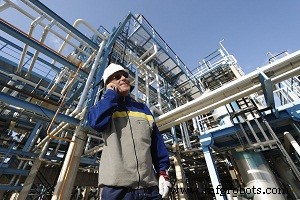
Digital transformation is the headline theme for oil and gas operators in 2019.
“Digitalisation is not a new concept for the sector,” says Ron Beck, Energy Industry marketing director at AspenTech. Refineries have leveraged advanced process control (APC) for over three decades, yet the pace at which the industry is adopting new technologies is unprecedented.
What’s changed is the speed of migration. The Asian refining market—India, Malaysia, Thailand, Indonesia and China—is driving the transition aggressively, recognising that digital tools provide a competitive edge against slower‑moving rivals elsewhere. European operators must keep pace or risk being left behind.
Expansion of the IIoT
Beyond regional momentum, the rapid evolution of technology is propelling digital adoption worldwide. The volume of connected data that operators can access is expanding at a staggering rate, fueled largely by the Industrial Internet of Things (IIoT). According to Markets and Markets, the IIoT market is projected to grow from US$64 billion (€56.4 billion) in 2018 to US$91.4 billion (€80.5 billion) by 2023, a CAGR of 7.39%.
Machine‑learning advances are delivering faster insights into plant performance, while mobility, visualization and analytics tools offer intuitive interfaces for senior decision‑makers. Rapid data analysis enables operators to make optimal economic trade‑offs, balancing sustainability with profitability. It also introduces flexibility, allowing assets to operate near design capacity amid shifting product demands and market conditions.
Perhaps the most pressing driver is asset reliability. Predictive and prescriptive maintenance techniques—shifting from calendar‑based schedules to condition‑based interventions—can dramatically reduce downtime. For example, sonic vibration monitors on pumps or compressors trigger alerts when vibration exceeds a threshold, prompting timely action.
Prescriptive analytics elevates this approach by analysing interrelated data streams across processes, activities and systems. It identifies sophisticated signatures and patterns that precede equipment failures and pinpoints root causes. An alert may not only predict a compressor failure but also explain that it stems from liquid leakage into gas lines or a subtle pressure change.
Although still in its early stages, prescriptive analytics is poised to generate significant interest and excitement throughout 2019.
Scoping Out the Results
Prescriptive analytics exemplifies the broader push toward digitalisation in oil and gas. Three key outcomes emerge as the industry accelerates: first, the nature of work will shift. As refinery tasks become more autonomous and AI‑assisted, productivity gains will be substantial. Workforce requirements will evolve, demanding retraining and upskilling.
Second, 2019 is likely to see the rise of “networks of industry co‑opetition.” Seamless connectivity across the value chain offers a strategic advantage to companies willing to forge alliances that span production, logistics and distribution—mirroring how Amazon revolutionised consumer goods supply chains.
Third, organisational change will accelerate. Democratising data and models throughout a refinery will empower more informed decision‑making. Those who embrace this shift will enhance employability and position their organisations for meaningful digital transformation in 2019 and beyond.
Looking ahead, prospects for oil and gas operators are bright. The convergence of digital transformation, artificial intelligence and analytics opens new opportunities that promise a positive future for the industry and its workforce.
The author of this blog is Ron Beck, Energy Industry marketing director at AspenTech.
Internet of Things Technology
- Data Diodes: Securing Industry 4.0 Networks Against Modern Cyber Threats
- Why Data Is the Cornerstone of Reliability Engineering
- Industries Poised to Lead the IoT Revolution – Why They’re Winning
- Predictive Maintenance: Harnessing Industry 4.0 for Uninterrupted Production
- Digital Insurance: 5 Trends Revolutionizing How We Buy and Manage Coverage
- Edge Computing: The Catalyst Driving Industry 4.0 Forward
- Industrial IoT: Revolutionizing Facility Management for Sustainable Efficiency
- Leveraging Data to Accelerate Digital Transformation
- Harnessing IoT: Accelerating Digital Transformation Today
- Digital Factories: Smart Manufacturing for Industry 4.0