



Why Real‑Time Location Services (RTLS) Are Critical for Modern Businesses – A 14‑Year Evolution
Fourteen years ago, a pioneering location‑systems company unveiled a software platform that could seamlessly integrate with the wireless infrastructure of industry giants such as Cisco, Symbol, Aruba, and Nortel. The resulting location appliance delivered precise, real‑time tracking for thousands of devices over a WLAN, powering a range of mobile‑enterprise applications—from asset tracking and network provisioning to voice and security. This breakthrough was pioneered by Newbury Networks Inc.
After a peak between 2005 and 2007, the asset‑tracking market plateaued. While some players pivoted to new ventures, others exited the space entirely. Today, a new wave of startups and large enterprises are re‑entering the market, prompted by advances in technology and shifting business demands. The question is: what has changed, and are these fresh entrants better positioned than their predecessors?
RTLS solutions now draw from a variety of technologies: Wi‑Fi, Bluetooth Low Energy (BLE), Ultra‑Wideband (UWB), GPS, and RFID. A decade ago, many of these were the stuff of science fiction; today they are standard tools that businesses leverage to deliver superior customer experiences.
RTLS offers a host of tangible benefits:
- Optimized asset management
- Cost‑effective operations
- Enhanced staff management
- Increased productivity
- Robust theft prevention
These advantages alone drive many organizations to adopt RTLS across sectors such as healthcare, mining, airports, logistics, and retail—and the list continues to grow.
The COVID‑19 pandemic has underscored the importance of automated, contactless solutions. RTLS enables businesses to reduce manual intervention, thereby supporting social distancing and safer operations.
In healthcare, RTLS helps track patients, identify potential exposures, manage critical assets, oversee staff presence, and confirm hand‑washing compliance. Airports, too, benefit from real‑time asset and personnel monitoring, limiting crowd density and enhancing passenger flow while maintaining safety protocols.
Below are four of the most prevalent RTLS technologies, along with their primary strengths and weaknesses:
GPS
Pros
- Accurate outdoor positioning (up to five metres)
- Universal outdoor coverage—ideal for fleet and vehicle tracking
- No additional infrastructure required
Cons
- High power consumption
- Susceptible to weather‑related disruptions
- Indoor coverage is limited
Bluetooth Low Energy (BLE)
Pros
- High indoor accuracy with appropriate infrastructure
- Very low energy use (≈1/15th of GPS)
Cons
- Requires BLE‑enabled devices
- Additional beacon infrastructure needed
Wi‑Fi
Pros
- Greater accuracy than GPS and BLE
- Low power consumption (≈1/10th of GPS)
- Leverages existing Wi‑Fi infrastructure—no extra hardware
Cons
- May incur moderate additional costs for setup
Ultra‑Wideband (UWB)
Pros
- Exceptional precision—sub‑metre accuracy
- Low‑power broadcast minimizes interference
Cons
- Higher upfront cost
Active and Passive RFID
Pros
- Cost‑effective tags
- No hardwired infrastructure required, simplifying deployment
Cons
- Limited location granularity—typically only room‑level
- Only indicates when an asset passed a point, not its current position
Wi‑Fi asset tracking was once a challenging proposition due to battery life and system cost concerns. Recent advances have changed that landscape dramatically:
- Existing infrastructure is leveraged; even sparsely placed access points can provide location via the nearest‑AP algorithm, reducing overall system cost.
- Wi‑Fi chip costs have fallen, and low‑power designs now extend battery life.
- 5 GHz Wi‑Fi tags—available from industry leaders such as Redpine Signals and Silicon Labs—offer clearer channels and predictable battery performance, mitigating 2.4 GHz congestion.
- Wi‑Fi can also serve outdoor environments where wireless coverage exists.
The chart below visualises infrastructure versus tag cost across technologies, offering a clear, business‑friendly comparison:
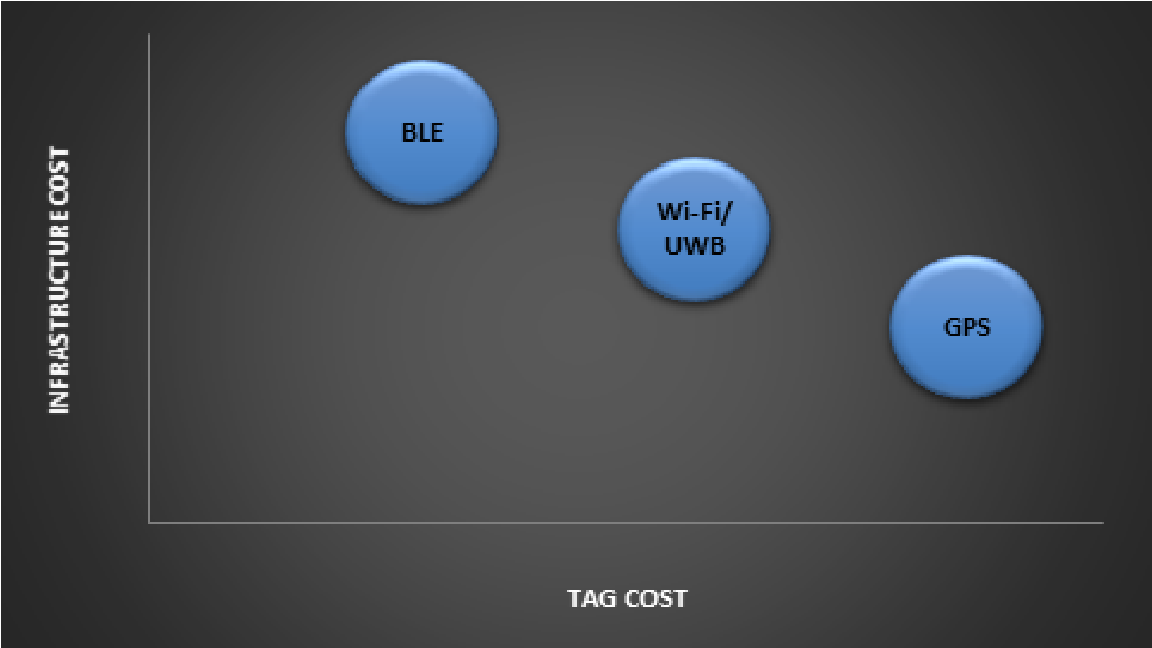
Figure 1: Infrastructure Cost vs Tag Cost. (Source: Author)
Ultimately, the choice of RTLS technology depends on specific business needs—whether you prioritize cost, accuracy, or infrastructure simplicity. For many enterprises, Wi‑Fi remains the most viable option, given the ubiquity of existing networks and the ease of integrating real‑time location services into current operations.
Sensor
- Are Apple AirTags Adequate for Enterprise Real‑Time Location Tracking?
- Real‑Time Location Services (RTLS): What It Is and How It Works
- Ultra‑Wideband (UWB) for Precision Indoor Positioning: Benefits, Challenges, and Use Cases
- The State of Asset‑Tracking Hardware (2018‑2020): Trends, Technologies, and Future Outlook
- Proven Real‑Time Location System (RTLS) for Healthcare – Scalable, Low‑Cost, and IT‑Friendly
- AirFinder: Affordable, Scalable Real‑Time Location Systems
- 5 Essential Features Every RTLS Solution Must Offer
- How to Choose the Most Cost‑Effective Medical Device Tracking Technology
- GPS vs. RFID: Choosing the Right Asset‑Tracking Technology
- HDS Expands Team to Deliver Advanced Equipment Repair and Service Solutions