



How Materials Science and Electronics Are Revolutionizing Automotive Tires
The earliest automotive tires were simple solid rubber strips, but the industry’s evolution began with Charles Goodyear’s discovery of vulcanized rubber. In 1846, Robert Thomson patented the first vulcanized rubber pneumatic tire—decades before the first motor vehicles—and sparked a relentless pursuit of performance and safety.
When the Michelin brothers introduced detachable tires, the market shifted again, paving the way for the pneumatic radial tire that emerged in the 1970s and remains the standard on most passenger cars today.
Today’s manufacturers balance safety, durability, performance, and sustainability. This holistic approach is driving breakthroughs that extend far beyond traditional tread design.
Current Tire Technologies
Noise is a major concern for modern vehicles, especially electric cars where the absence of a revving engine makes tire sounds more noticeable. Two primary sources of tire noise exist: pattern noise, generated by air bubbles trapped in the tread, and cavity noise, produced when air vibrates inside the tire against the wheel. Addressing these sounds is now a key design goal.
Bridgestone’s QuietTrack, launched in March 2019, features multiple short diagonal grooves that allow air to vent rather than compress as the tire rolls. The grooves come in three distinct widths, each interfering with the others to dampen frequencies that overlap human speech. Complementary millimeter‑high serrations in the tread trough further break up high‑frequency noise, while the overall design also enhances traction on snow and wet roads.
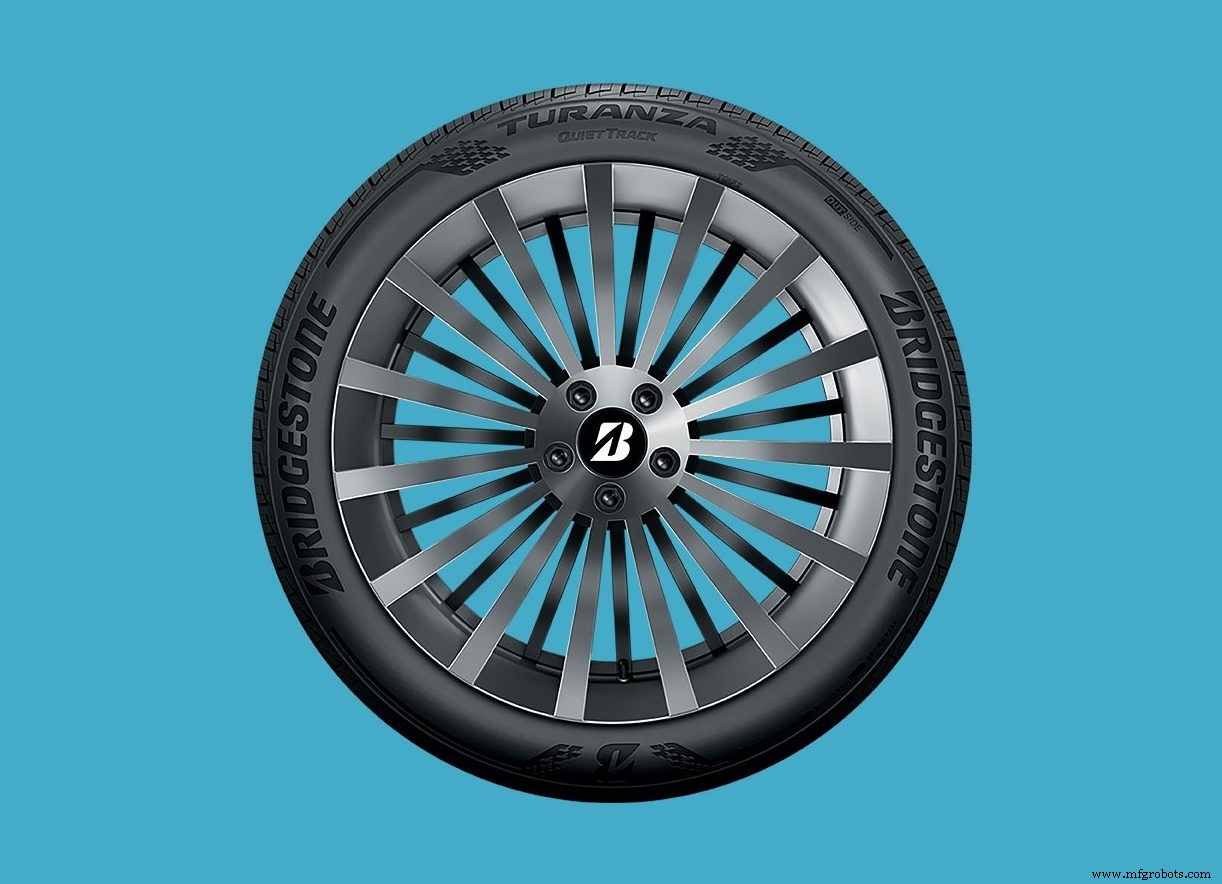
Figure 1. QuietTrack tires reduce noise—a critical feature for electric vehicles. (Source: Bridgestone)
The tire’s interior incorporates Contiseal, a viscous sealant layer that can seal up to 80% of a puncture up to 5 mm in diameter. This technology dramatically lowers the likelihood of flats and eliminates the need for roadside tire changes.
Emerging Tire Technologies
Goodyear’s Eagle 350 Urban, introduced in 2017, is a spherical concept tire equipped with AI‑driven sensors that adjust shape and tread pattern in real time. By reacting to road surface data, the tire improves braking, handling, and efficiency—and even facilitates on‑the‑spot puncture repair.
The non‑pneumatic Oxygene tire is a pioneering design that eschews air pressure altogether. 3D‑printed from recycled tire dust, its sidewall hosts living moss that absorbs water from the road and CO₂ from the air, supporting photosynthesis and oxygen production. It also leverages Li‑Fi to link with IoT networks, enabling vehicle‑to‑vehicle and vehicle‑to‑infrastructure communication.
In 2020, Goodyear’s reCharge tire introduced biodegradable liquid capsules that regenerate tread. AI customizes the compound to each driver’s profile, allowing the tire to adapt dynamically to changing road conditions.
Pirelli’s Cyber tire marked a milestone by transmitting data directly over 5G, creating a real‑time communication loop between the tire, the vehicle, the driver, and external roadway infrastructure.
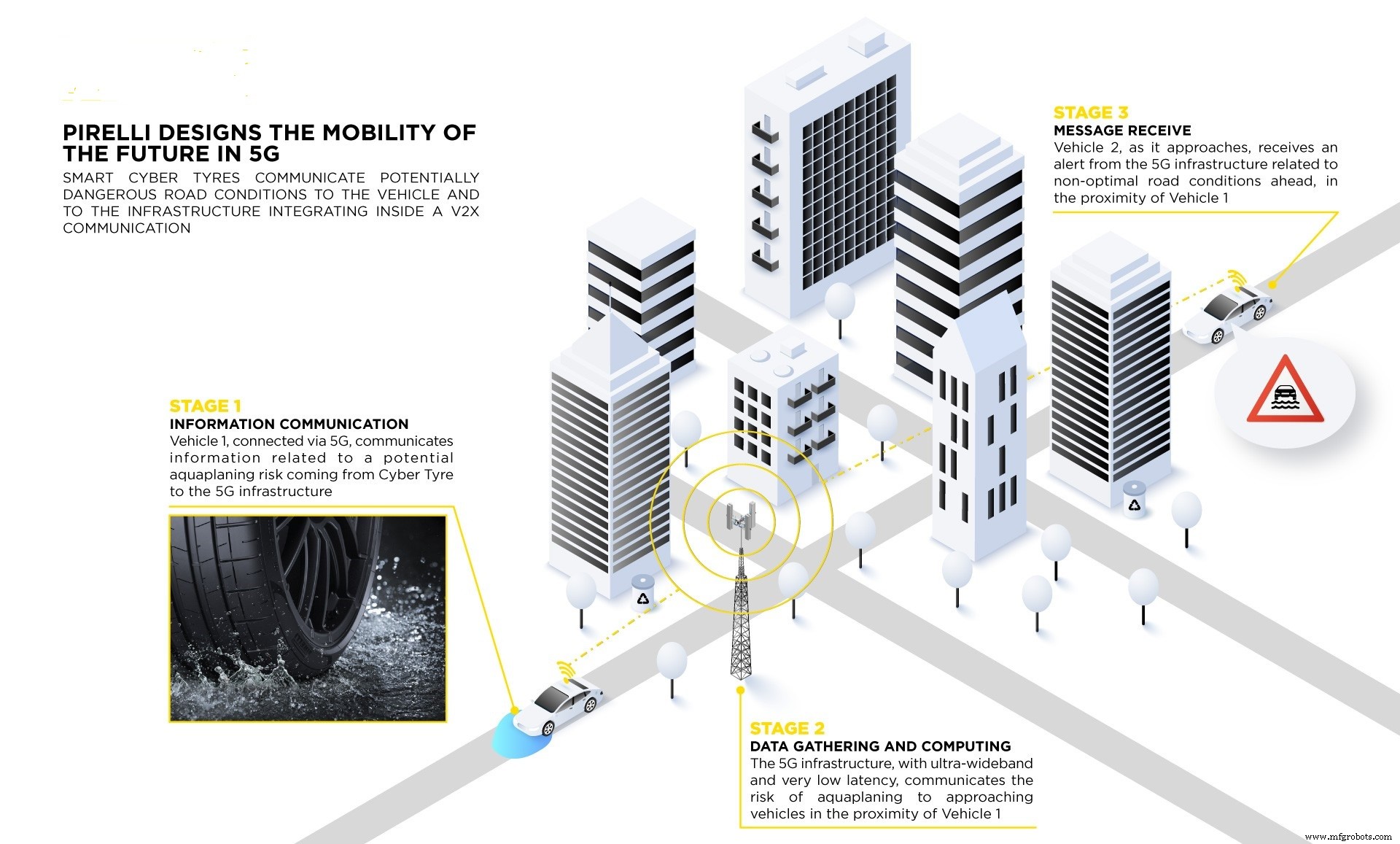
Figure 2. Pirelli claims to be the first tire company to interact with the 5G network. (Source: Pirelli)
Michelin’s Uptis, slated for release in 2024, uses an assembled airless wheel structure that eliminates the risk of punctures, blow‑outs, and flats. By reducing raw material consumption, tire scrappage, and the need for spare tires, Uptis offers a more sustainable, resource‑efficient solution.
For context, Goodyear’s custom tires for Tesla incorporate noise‑reducing foam, while Citroën’s autonomous concept 19_19 features tires that stiffen in dry conditions and soften when wet.
The Connected Road Ahead
Connectivity will become a cornerstone of automotive safety and performance. 5G and IoT will enable tires to relay critical data, enhancing advanced driver assistance systems (ADAS) and autonomous driving. Goodyear’s AndGo platform, for example, uses predictive analytics to link fleet operators with its service network.
Sustainability will also drive design choices: 3D‑printing, recycled and eco‑friendly materials, and reduced wear will all lower tire scrap and environmental impact. Durable non‑pneumatic tires and 2‑in‑1 tire‑and‑wheel concepts promise heightened safety and reduced maintenance—essential attributes for driverless fleets.
After decades of incremental change, the tire industry is poised for a transformative leap.
>> This article was originally published on our sister site, EDN.
Sensor
- Electronics: A Hands‑On Science for All
- From Military Mechanic to Civilian Auto Technician: Your Step‑by‑Step Success Guide
- Single‑Layer Flexible Graphite: The Next‑Generation Heat‑Spreader for Consumer Electronics
- Borealis Launches Fibremod PP – Carbon/Glass‑Reinforced Plastic for Lighter, Cost‑Efficient Automotive Parts
- High‑Recycled TPEs for Automotive Exteriors: Kraiburg’s Sustainable K Series
- Mastering Material Forming Operations: Key Processes & Mechanics
- Expert Guide to Heavy Equipment Tire Selection and Longevity
- Transforming Electronics Production with Additive Manufacturing
- Tires: Comprehensive Guide to Definition, Applications, Components, Types & Materials
- Tube vs. Tubeless Tires: Key Differences Explained