



Leveraging Delta‑Sigma ADCs for Ultra‑High‑Precision Oil, Gas, and Petroleum Multisensor Systems
Multi‑sensor arrays in oil, gas, and petroleum facilities continually harvest critical pressure and temperature data. To deliver accurate, high‑resolution readings across the wide dynamic ranges these environments demand, the sensor chain must be both compact and exceptionally precise.
Traditional multi‑sensor electronics are often bulky, cost‑intensive, and lack the ruggedness required for field deployment. Discrete analog conditioning circuits fail to meet the tight tolerances needed for modern process control, leading to drift and error accumulation (see Figure 1).
 Figure 1: A pressure safety valve protects piping systems from over‑pressure. (Source: Shutterstock)
The solution lies in a high‑resolution, multi‑channel delta‑sigma (ΔΣ) ADC. By integrating thermocouples, RTDs, and pressure transducers directly with a precision ΔΣ ADC, designers can achieve the RMS‑noise performance required for robust, multi‑sensor systems in the petroleum sector.
This article outlines the key challenges and solutions for creating a precise temperature‑pressure interface using a ΔΣ ADC.
Pressure Sensing
Pressure transducers can be classified into two groups: those requiring electrical excitation and those that generate their own power. Common mechanical styles—bellows, diaphragms, bourdon tubes, and manometers—translate pressure changes into mechanical motion.
Electrically excited sensors pair seamlessly with ΔΣ ADCs and microcontrollers. Common types include capacitive sensors, LVDTs, and piezoresistive devices. The piezoresistive sensor is typically preferred for its compactness and high sensitivity (Figure 2).
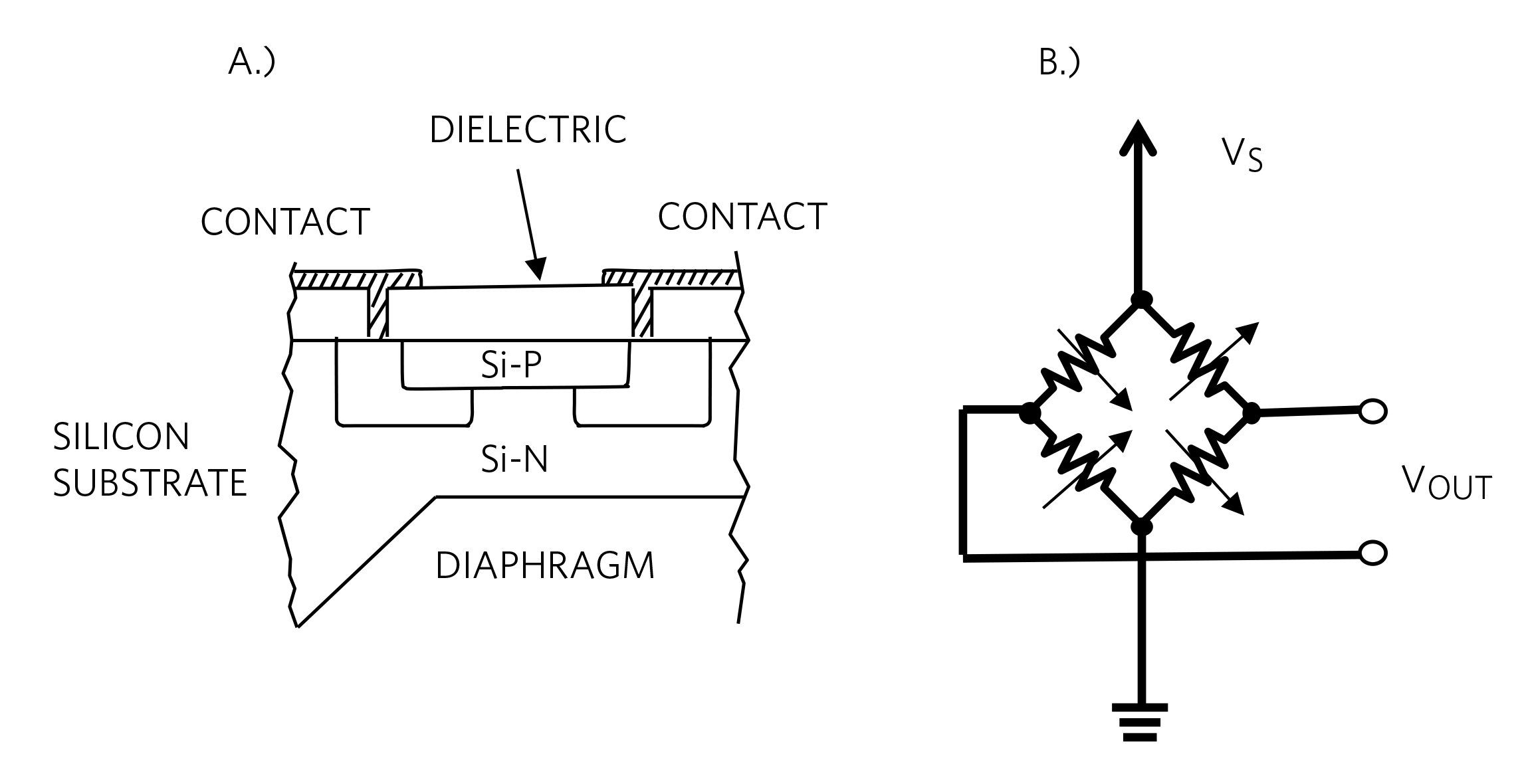
Figure 2: (a) A piezoresistive pressure sensor is the preferred choice. (b) The high side of the bridge requires voltage or current excitation. (Source: Maxim Integrated)
In Figure 2a, the sensor’s top layer is a resistive film bonded to a diaphragm. The bridge’s high side (Figure 2b) demands a stable excitation—typically a few volts. In a 3.3 V system, the sensor’s differential output ranges from a few millivolts to several hundred millivolts. Subsequent amplification and ADC conversion translate this analog signal into a reliable digital value.
Temperature Sensing Significance
Accurate temperature measurement is critical because sensor performance, especially for pressure transducers, varies with temperature. The system employs a K‑type thermocouple and an RTD for cold‑junction compensation (Figure 3).
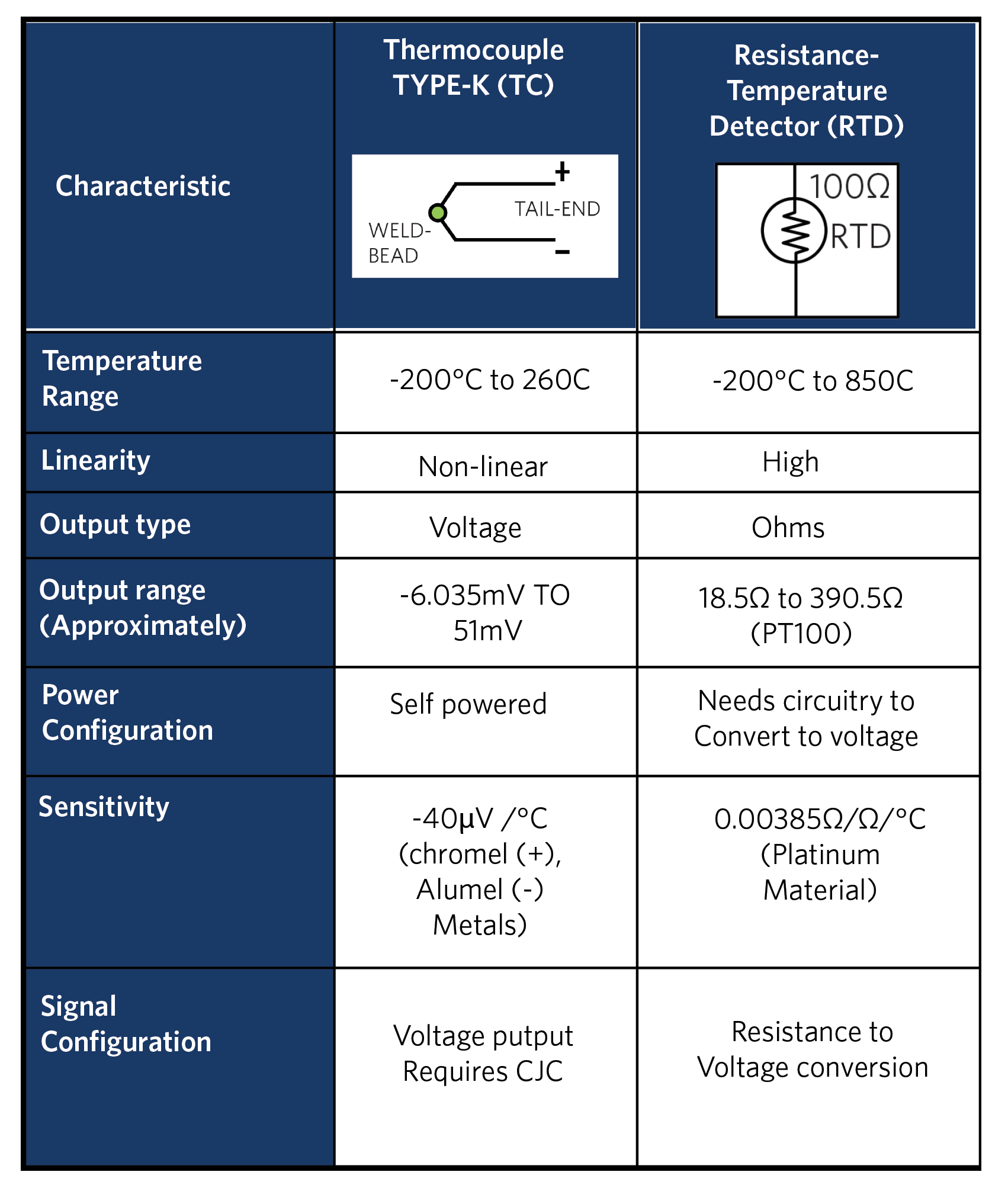 Figure 3: A two‑lead TYPE‑K thermocouple requires an RTD for cold‑junction compensation (CJC). (Source: Maxim Integrated)
The thermocouple can withstand temperatures up to +1260 °C, while the RTD provides precise measurement at the thermocouple’s junction, ensuring temperature‑corrected pressure readings.
High‑Resolution ADCs: Why ΔΣ?
ADC selection involves a trade‑off between resolution and speed. Pipeline ADCs offer high data rates (tens of Gsps) but only up to 12 bits. Successive‑approximation‑register (SAR) ADCs deliver 10 Ksps–10 Msps with 12–18 bits, suitable for many industrial applications. However, when nanovolt‑level resolution is required—as in pressure and temperature sensing—only a ΔΣ ADC can deliver the necessary performance (Figure 4).
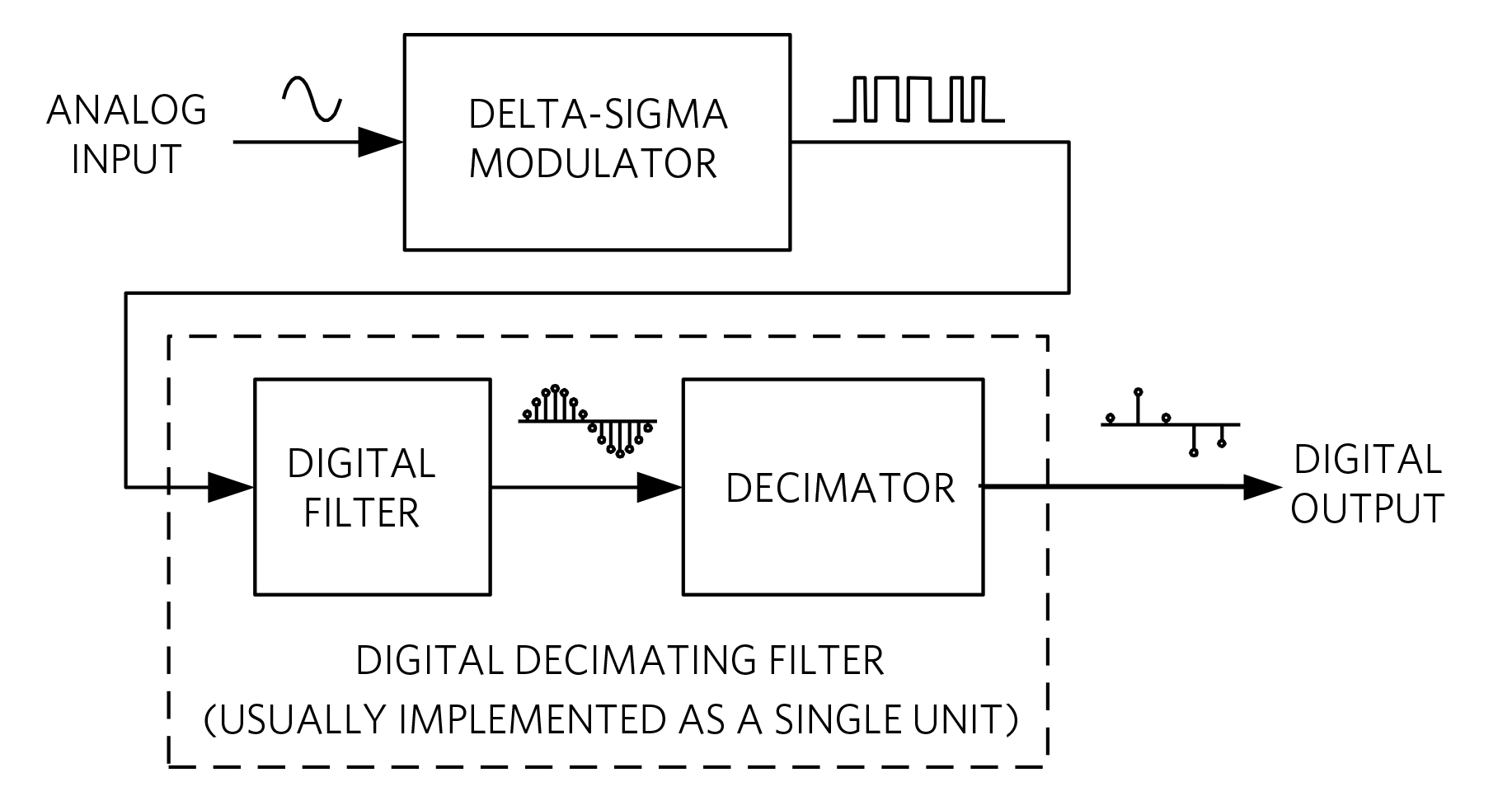 Figure 4: The basic ΔΣ ADC converts the input voltage into a ΔΣ modulator. (Source: Maxim Integrated)
The ΔΣ ADC first shapes the input into a one‑bit, noise‑shaped pulse train via a ΔΣ modulator. Over‑sampling and digital filtering then yield multi‑bit outputs up to 24 bits, which the microcontroller consumes.
ΔΣ Modulator Explained
The ΔΣ modulator is the heart of noise reduction. Figure 5 illustrates the second‑order structure: a front‑end Δ function followed by two integrators (Σ function). After the integrators, a one‑bit ADC samples the signal, and a one‑bit DAC feeds back to the integrators.
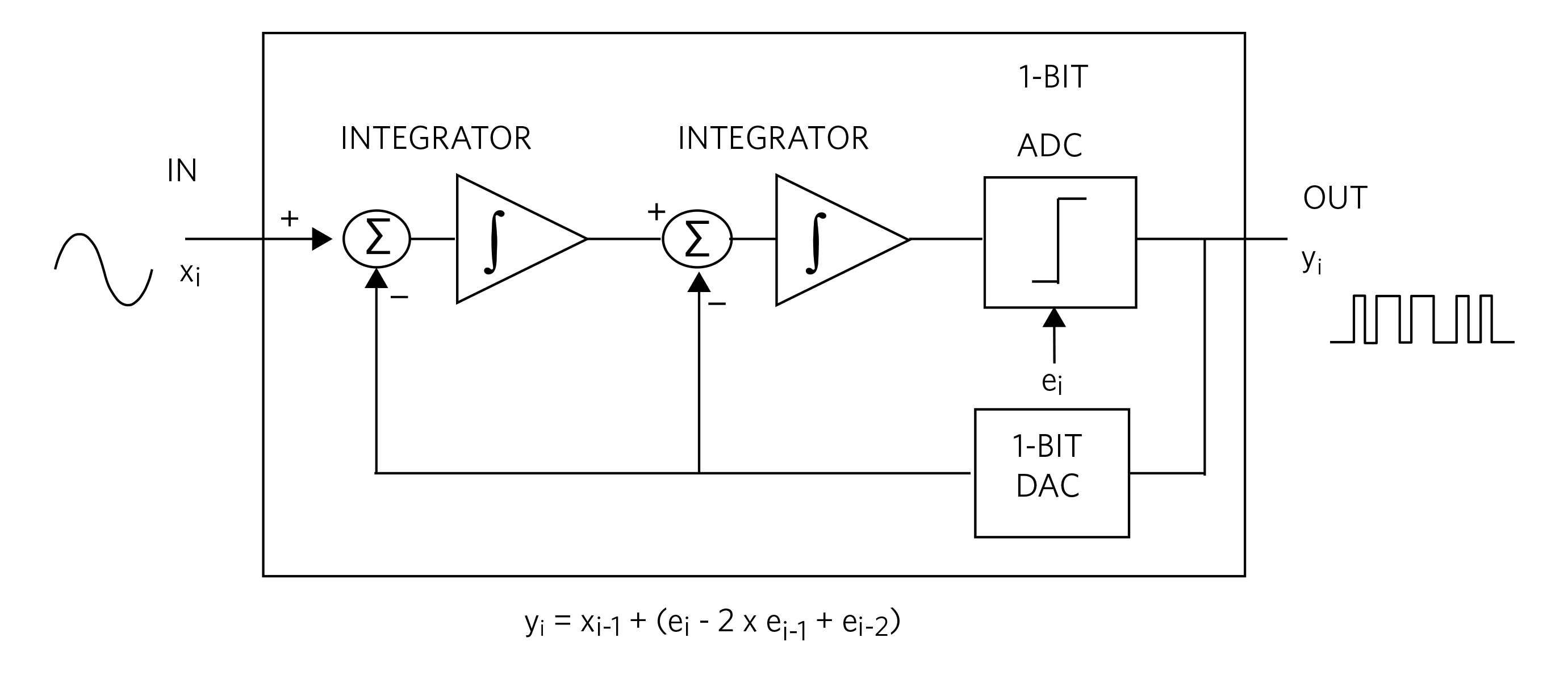 Figure 5: The second‑order ΔΣ modulator comprises a front‑end Δ function followed by two integrators. (Source: Maxim Integrated)
The quantization noise introduced by the one‑bit ADC is shifted to higher frequencies—a process known as noise shaping. Figure 6 demonstrates the resulting noise spectrum.
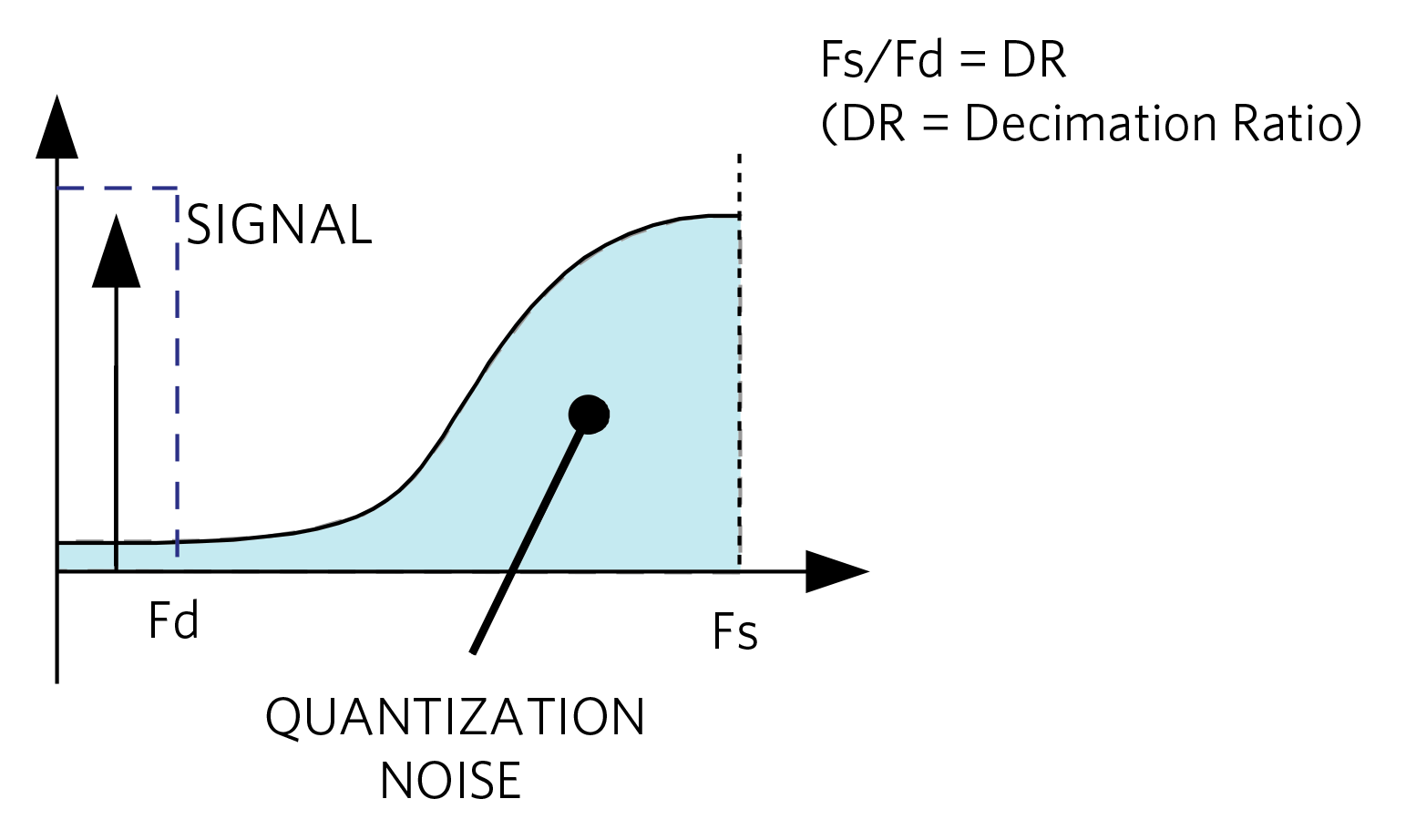 Figure 6: The modulator’s output noise is shaped to higher frequencies. (Source: Maxim Integrated)
The order of the modulator dictates the noise distribution. Figure 7 compares first‑, second‑, and third‑order modulators, showing increased noise attenuation near DC for higher orders.
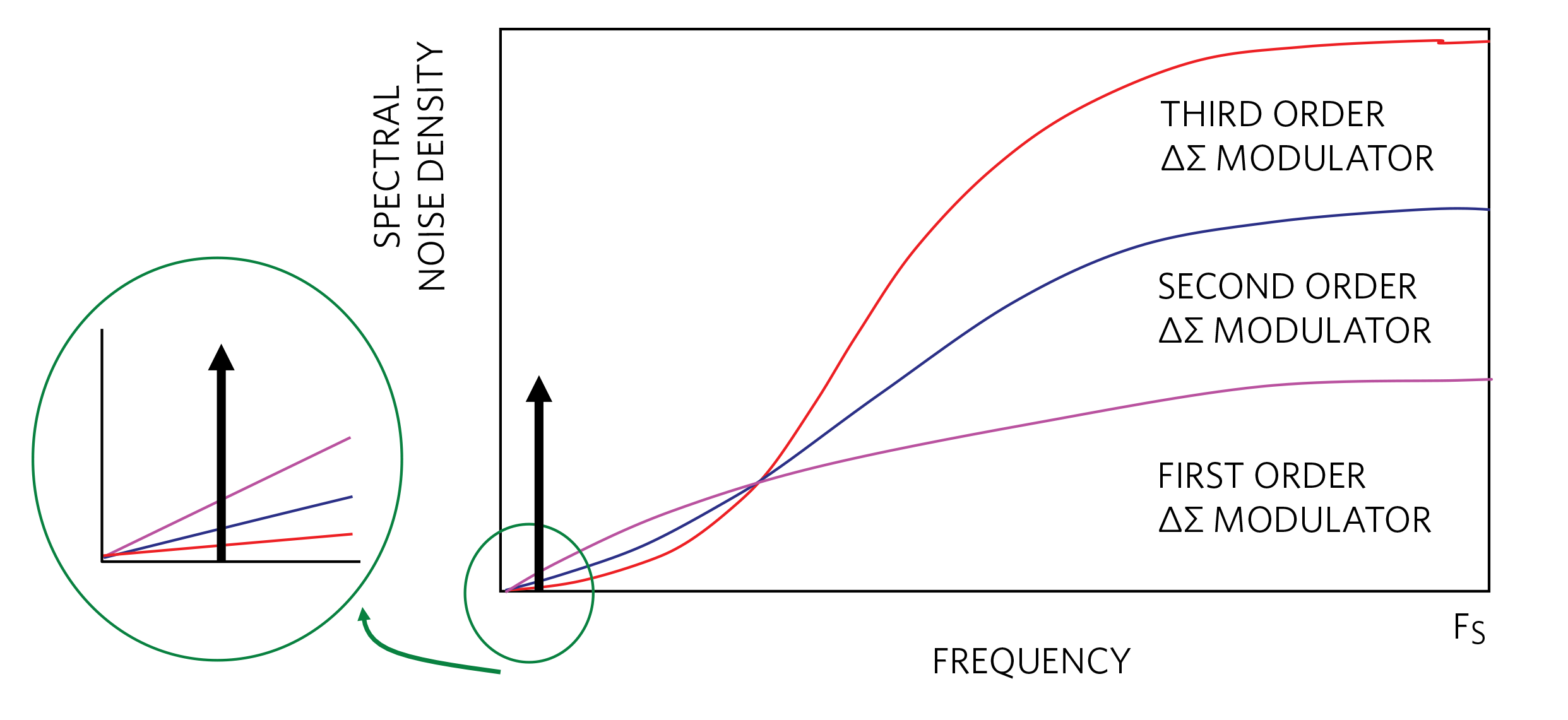 Figure 7: Noise‑shaping capability of first‑, second‑, and third‑order modulators. (Source: Maxim Integrated)
Digital Decimation Filtering
After the ΔΣ modulator, a digital/decimation filter removes the high‑frequency noise, producing the ADC’s final data rate, FD. The filter’s cutoff frequency determines the output sample rate.
Complete ΔΣ ADC Architecture
Figure 8 shows a full ΔΣ ADC block diagram, incorporating a modulator, sinc filters, FIR filters, input multiplexer, PGA, clock generator, and reference matrix—all tailored for pressure and temperature sensing.
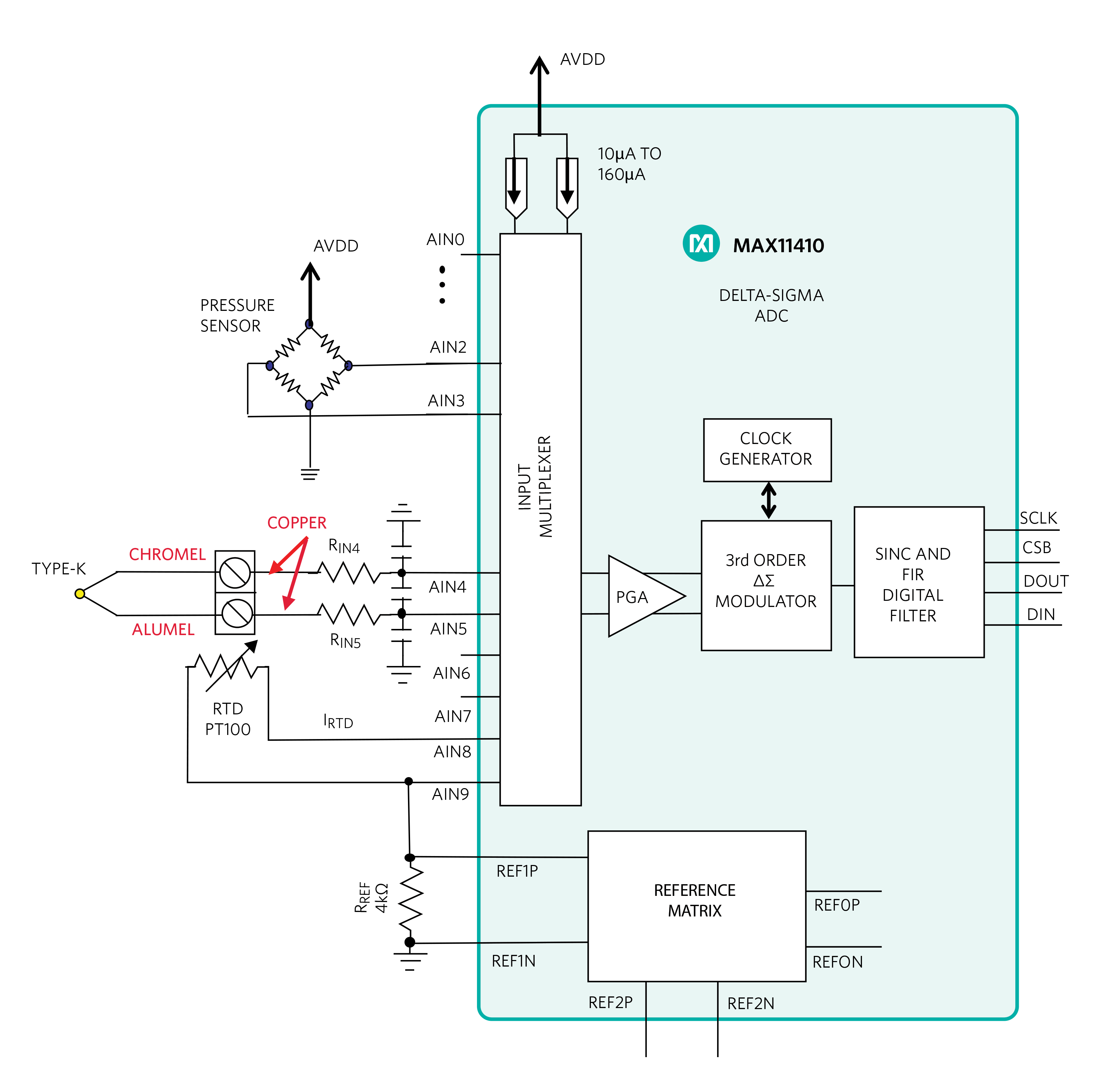 Figure 8: A complete ΔΣ ADC architecture with pressure and temperature sensor inputs. (Source: Maxim Integrated)
The sinc filter provides a simple low‑pass shape, with first‑order settling in one word period and a fourth‑order (Sinc4) settling in four periods. Figure 9 displays the frequency response of a third‑order sinc filter.
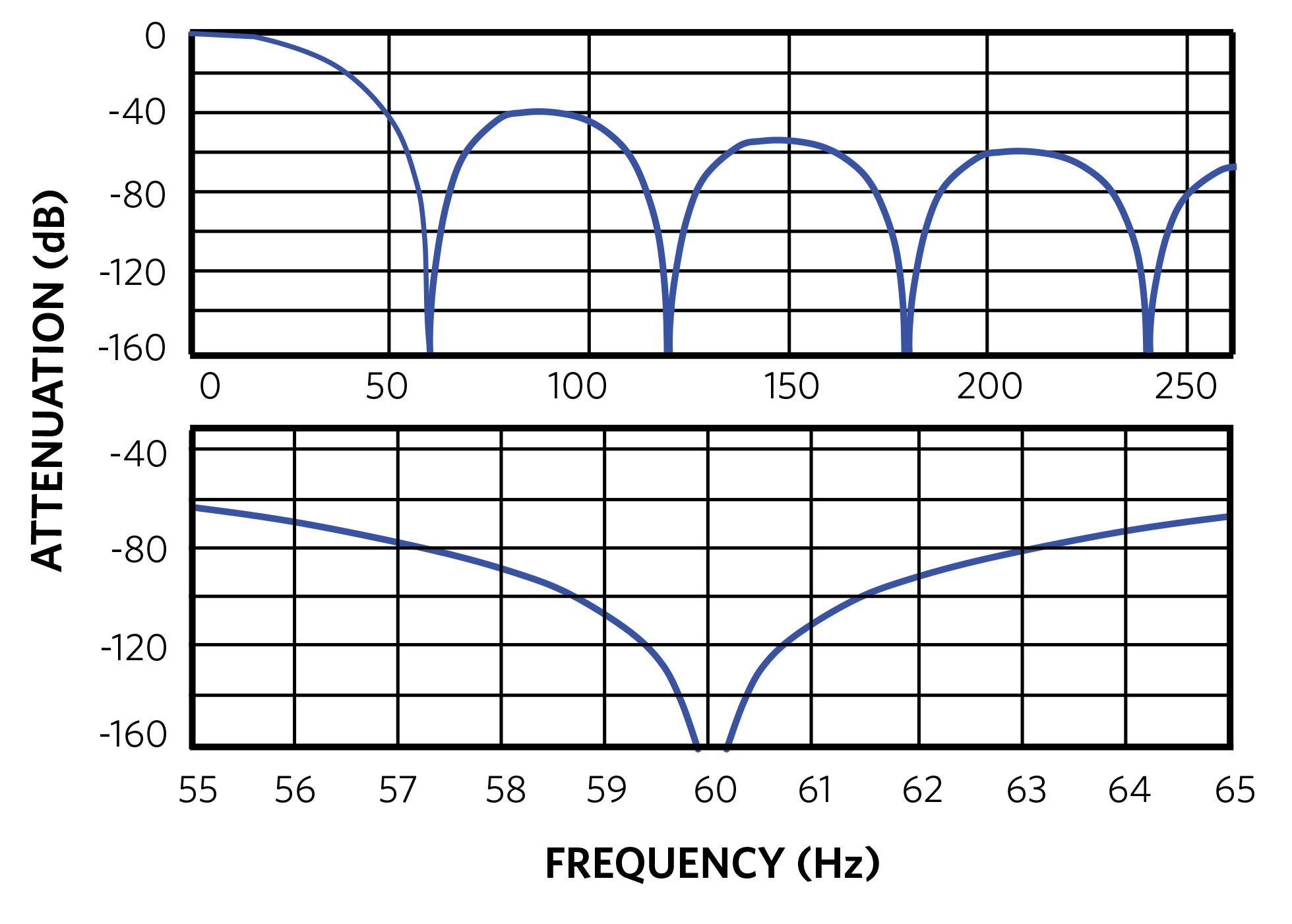
Figure 9: Frequency response of a third‑order sinc filter (Sinc3). (Source: Maxim Integrated)
The sinc filter’s rounded response simplifies implementation, but for sharper rejection—particularly of mains interference—the FIR filter is preferable. The ΔΣ ADC in Figure 8 employs a 50/60 Hz notch filter that achieves >90 dB rejection at those frequencies while operating at 16 samples per second.
Key performance figures for the MAX11410 ΔΣ ADC: 24‑bit resolution, Sinc4 filtering, 160 µA PT100 RTD excitation, PGA gain of 128, input range 1.234 V to 2.837 V, LSB size 0.039 µVRMS, temperature accuracy ±100 °C, RTD accuracy ~4.7 µ°C/bit.
In summary, integrating a ΔΣ ADC with pressure, thermocouple, and RTD sensors yields a single‑device solution that delivers low noise, precise temperature‑pressure conversion—critical for oil, gas, and petroleum instrumentation. Design focus should remain on noise performance, input multiplexing, and BOM cost.
>> This article was originally published on our sister site, EDN.
Sensor
- Delta‑Sigma ADC: Harnessing Oversampling for Precise Analog‑to‑Digital Conversion
- Designing & Optimizing RTD Temperature Sensing Systems – Expert Guide
- Accurate Raspberry Pi Temperature Profiling with Python, SQLite, and LabVIEW
- Build a Remote Temperature Sensor with Raspberry Pi and Python – Step‑by‑Step Guide
- Raspberry Pi BMP085: Accurate Temperature & Pressure Readings via I2C
- Monitor Your Home Temperature with a Raspberry Pi Dashboard
- Using an MCP3008 ADC to Read Analog Sensors with Raspberry Pi
- Smart Sensors: Transforming Modern Medical Care
- How Temperature Impacts Hydraulic System Performance and Efficiency
- Two Essential Flow Regulation Systems for Optimal Compressed Air Efficiency