



How Sensor Technology Enables Context Awareness in Hearables
The hearables sector—spanning wireless earbuds, hearing aids, and AR glasses—is one of the fastest‑growing segments in consumer electronics. Experts project the market to reach $93.9 billion by 2026, growing at a CAGR of 17.2% from 2019 to 2026.
Consumer demand is increasingly focused on context‑aware features. A 2019 Qualcomm survey found that 55% of respondents wanted earbuds that adapt to their environment, with background‑noise reduction and dynamic volume adjustment topping the list.
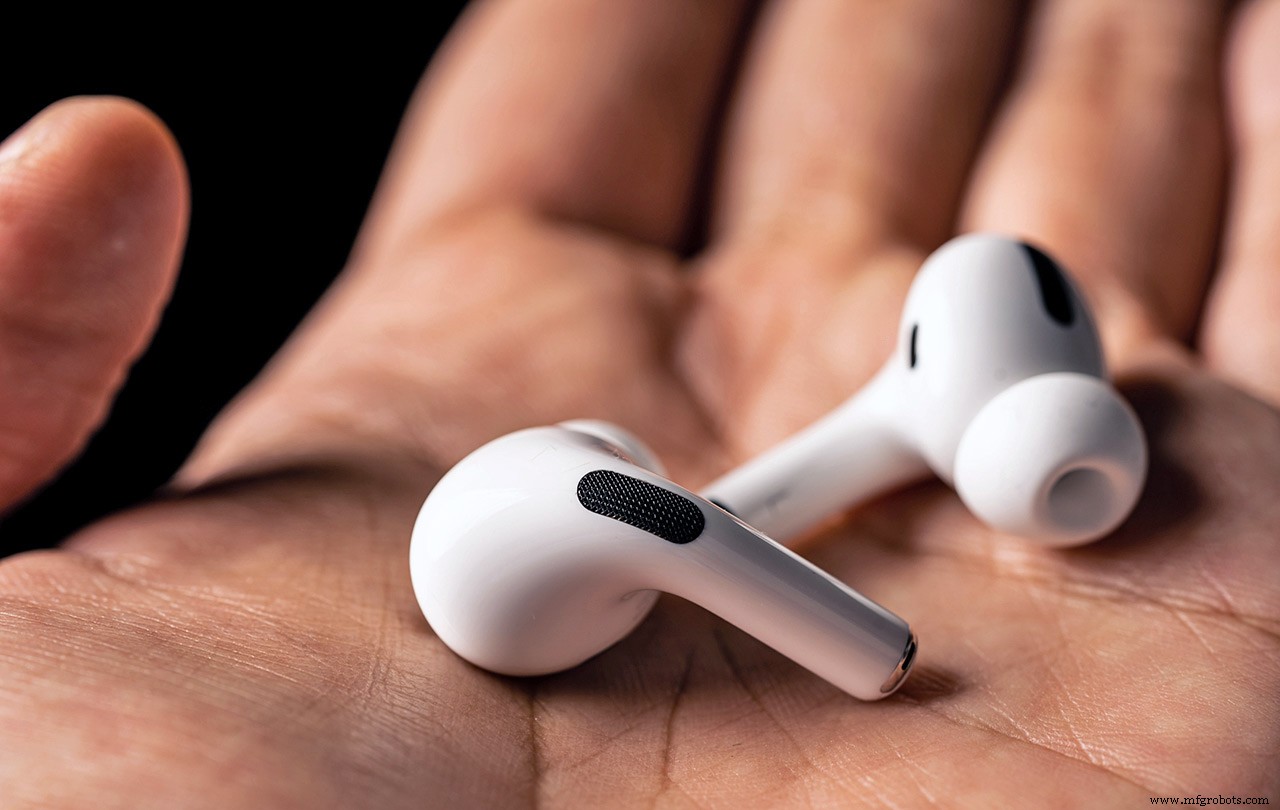 Hearables continue to gain interest from users expecting next‑generation features. (Source: CEVA)
To deliver a truly immersive listening experience, designers must address several common UX challenges. Below are four of the most prevalent issues and how sensor technology can solve them.
1. Traditional interfaces are inconvenient for hearables.
When you’re running or at the gym, the last thing you want is to fumble with your phone or press tiny buttons on the earbud. Gesture control, enabled by motion tracking, allows users to perform simple actions—such as a tap to raise volume or an in‑ear gesture to pause playback—without taking their eyes off the road.
2. Accurate tracking is essential for fitness and activity monitoring.
Head‑mounted wearables offer a stable platform for motion capture. However, inaccurate tracking can lead to false positives and unreliable data. A precise sensor suite can automatically classify activities (running, cycling, standing) and translate step counts into calorie expenditure, giving users a comprehensive view of their day.
3. Conventional hearables lack true immersion.
Spatial audio—shifting sound sources with head movement—creates a realistic audio field. High‑accuracy, low‑latency head tracking ensures that the audio moves fluidly with the wearer, enhancing gaming, XR, and everyday listening.
4. Hearables must adapt to changing environments.
By fusing sensor data with context cues, hearables can decide when to block or pass external sounds. For example, during a brisk walk the device can prioritize ambient cues like a car horn, while at a concert it can offer full‑band noise cancellation. Advanced algorithms can also isolate the user’s voice from background chatter, improving call quality and voice‑assistant responsiveness.
How Are Sensors Used in Hearables?
To unlock these capabilities, hearables rely on a combination of sensors:
- Accelerometers provide basic activity metrics and, when combined with machine‑learning models, can differentiate walking from running.
- 6‑axis IMUs (accelerometer + gyroscope) capture orientation, enabling accurate head‑tracking for spatial audio and XR applications.
- Proximity sensors enhance in‑ear detection, allowing the device to pause or resume playback automatically.
- Sensor fusion software—such as CEVA’s Hillcrest Labs MotionEngine™ Hear—integrates these inputs to deliver context‑aware, frictionless user interfaces across true wireless earbuds, hearing aids, and wireless headphones.
Sensor
- Securing Cloud Technology: Best Practices for Data Protection and Risk Mitigation
- How Modern Asset Tracking Technologies Drive Business Efficiency
- How Motion Tracking Drives Everyday Convenience
- ams Unveils Cutting‑Edge Sensor Tech Driving Intelligent Connectivity at MWC 2019
- IR Sensor 2.0: Driving the Next Wave of IoT Innovation
- How Supply Chain Tech Drives the Future of New Retail Customer Experience
- Why IoT-Driven Fleet Tracking Outperforms All Other Tracking Technologies
- Mastering Lot Tracking: A Key Strategy for Manufacturing Excellence
- Advanced 3D Motion Tracking System: Next-Gen Sensor for Autonomous Tech
- Touch-Enabled Prototype Lets You Send Data Directly From Your Body