



How Motion Tracking Drives Everyday Convenience
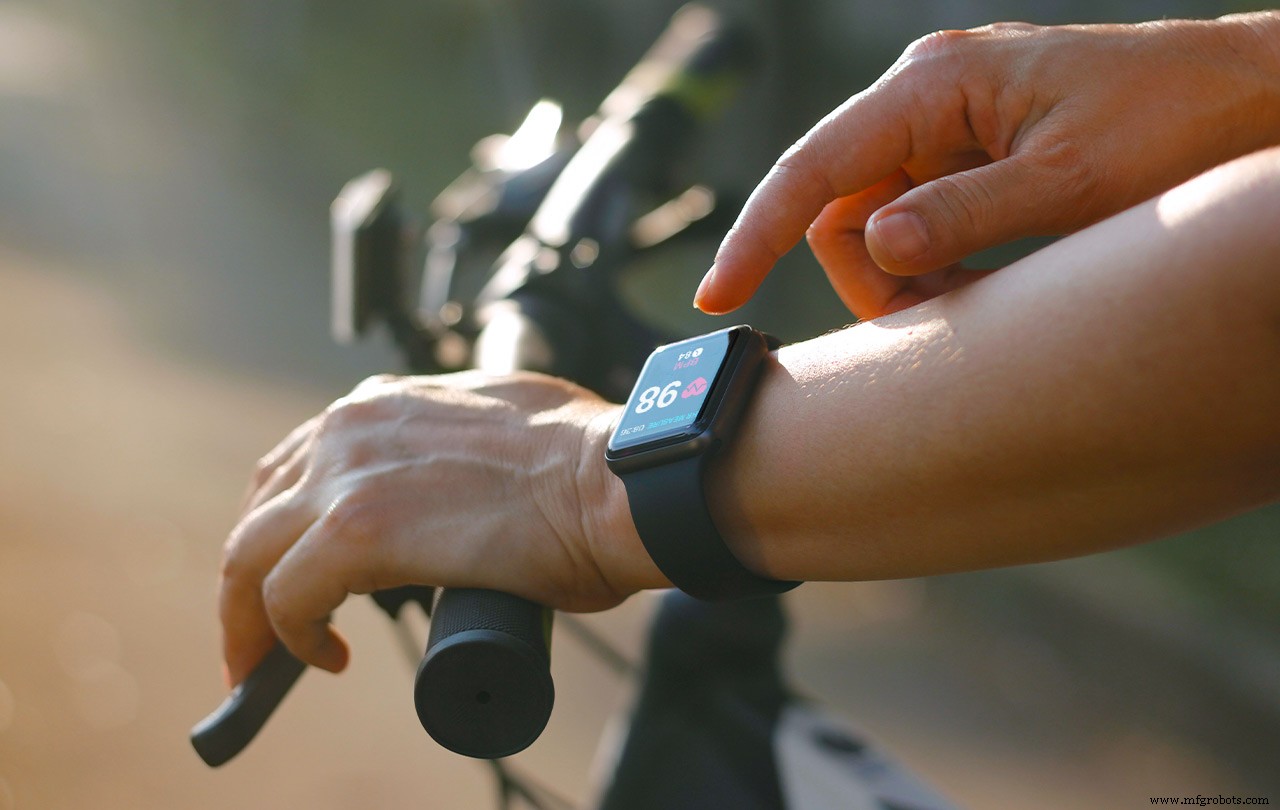 As consumers, homeowners, employees and everyday users, we rely on a multitude of devices and technologies that shape our daily lives. These tools are no longer optional—they are essential for efficiency and task completion across the globe.
While smartphones often take the spotlight, sensor fusion lies at the core of convenience across industries such as consumer electronics, health & wellness, robotics, and IoT. By combining data from multiple sensors—including motion detectors—devices can intelligently interpret context and perform actions with minimal user effort.
Smart home assistants like Amazon Echo and Google Home keep our routines organized by managing to‑do lists, sending reminders, unlocking doors as we approach, and turning lights off when we leave. Robotic vacuums maintain clean floors with almost no human intervention, and motion controllers let us adjust volume or switch channels with a simple hand gesture.
What unites all these innovations is a single goal: to make daily tasks effortless. Convenience has become a primary driver of consumer demand for devices such as smartphones, smart TVs, and wearable tech. Users expect AI, contextual awareness, and 24/7 internet access—all powered by accurate motion sensing and sensor fusion—to be reliable and precise.
Even minor inaccuracies can erode trust. A runner in Boston once added extra miles to account for a discrepancy between two tracking devices. Such small errors accumulate, leading to noticeable frustrations. Accurate motion tracking is therefore critical for applications ranging from fitness to navigation.
Here’s how motion sensors enhance convenience across categories:
- Wearables: Classify activities and count steps accurately, providing context for fitness goals.
- Hearables: Detect ear placement to pause audio, enable gesture controls, and track daily activity.
- Medical Devices: Detect falls and monitor motion‑related health indicators with high precision.
- Robotics: Plan cleaning routes and map environments to avoid obstacles.
- IoT: Fuse GPS and Wi‑Fi data with motion sensors to determine device location and activity.
- Motion Controllers: From gaming to business presentations, enable intuitive gestures and precise cursor control.
- Smart TVs: Provide on‑screen cursors for faster menu navigation, title browsing, and text entry.
- Smartphones: Enable AR experiences, motion‑based games, and indoor navigation when GPS is unreliable.
- Mobile Computing: Allow responsive screen orientation on 2‑in‑1 laptops and tablets, and support geofencing for device security.
Consumers expect flawless performance; designers rely on motion sensors and sensor fusion to deliver it. Trust in data accuracy is paramount, and the technology behind it continues to evolve rapidly.
For questions about motion tracking and sensor fusion, reach out to CEVA‑Hillcrest Labs and discover how we can help you create the next generation of convenient devices.
Embedded
- Creating Frictionless User Experiences: A UX Design Blueprint
- Strengthening IIoT Asset Tracking: Proven Security Practices
- How IoT Asset Tracking Is Revolutionizing Manufacturing Efficiency
- How IoT is Revolutionizing Inventory Tracking
- AIoT: The Next Generation of Smart Traffic Management
- Mastering Motion Tracking Accuracy in Portable Devices
- How Sensor Technology Enables Context Awareness in Hearables
- Wireless Power Revolutionizing Modern Manufacturing: Efficiency, Safety, and Growth
- Mastering Lot Tracking: A Key Strategy for Manufacturing Excellence
- How Precision Machining Enhances Medical Device Performance