



Non‑Woven Fabric: Innovations, Applications, and Masterbatch Solutions for the Modern Plastic Industry
I. NON‑WOOVEN FABRIC
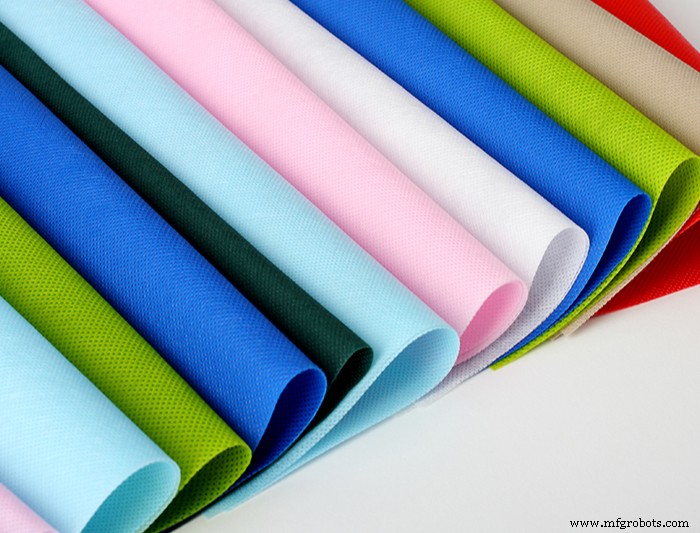
Non‑woven fabric is produced without traditional weaving or knitting. Instead, short or long fibers are bonded together through chemical, mechanical, thermal, or solvent processes, resulting in a versatile material that combines strength, softness, and performance.
II. ORIGIN OF NON‑WOOVEN
The earliest non‑woven textiles emerged in the 1920s and 1930s, primarily used by desert travelers, monks, and camel guides to alleviate leg pain, provide warmth, and reduce pressure. Over time, the technology evolved, making non‑woven production more efficient and cost‑effective. Fibers are deposited onto a metal mesh in a controlled air stream and subsequently bonded by a range of treatments—chemical, solvent, mechanical, or thermal—to form the final product.
III. APPLICATIONS
Today, non‑woven fabrics are indispensable across numerous sectors. Their softness, safety profile, and environmental benefits make them ideal for medical textiles such as diapers, masks, and surgical gowns; household items like towels and carpets; and industrial uses including geotextiles in road construction and protective clothing in the fashion industry.
IV. MASTERBATCH FOR NON‑WOOVEN
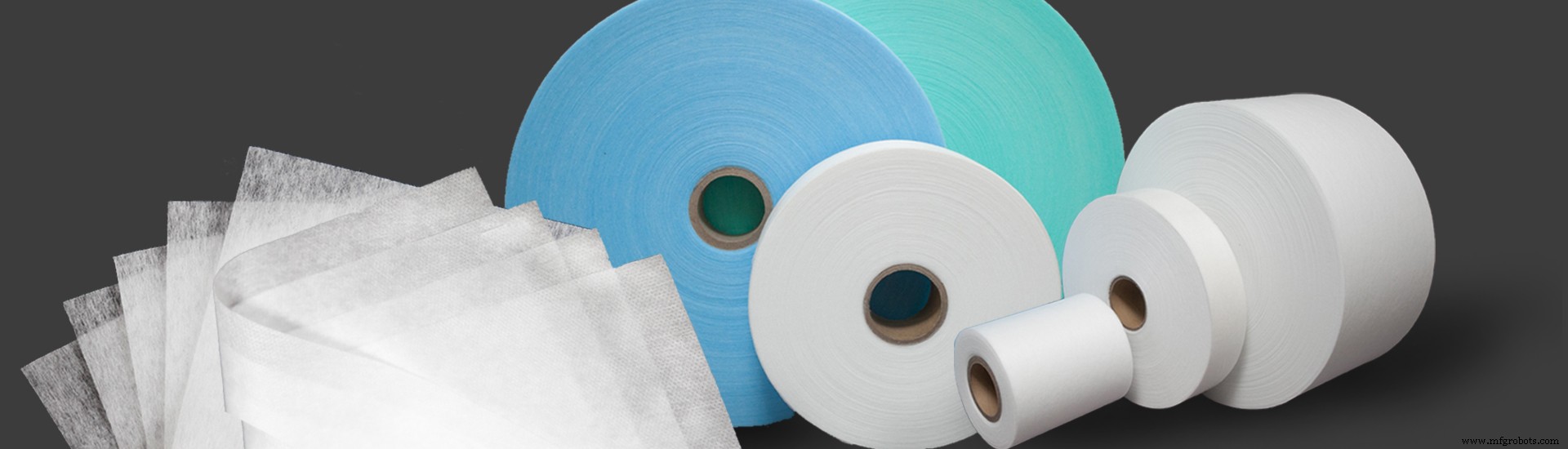
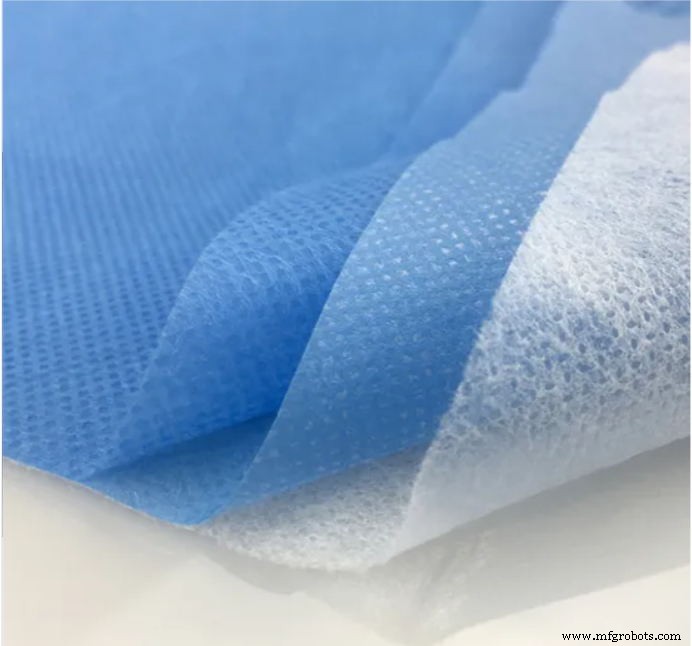
Filler masterbatch for non‑woven is a granular blend of a primary plastic resin—such as PP or PE—mixed with CaCO₃ stone powder and other additives. This formulation is widely used in sanitary and medical products, as well as in various industrial applications.
Key attributes of a high‑quality filler masterbatch include:
|
|
Sunrise Colors Vietnam is proud to supply premium filler masterbatch that delivers exceptional physical and chemical performance for a wide range of plastic production technologies. With decades of experience, a highly skilled engineering team, state‑of‑the‑art machinery, and premium raw materials, we consistently earn the trust of customers across domestic and international markets.
Dye
- 10 Proven Benefits of Plastic Bearings for Modern Industry
- Introducing Endur™ – Advanced Polypropylene‑Like 3D Printing Material
- The Evolution of Polymer Raw Materials: From Gutta‑Percha to Modern Plastic Resins
- Calcium Carbonate Masterbatch: Applications & Benefits in Plastic Production
- How Masterbatches Enhance Plastic Production: Filler, Color, and Specialty Resins
- 5G & IoT: Driving the Next Wave of Digital Transformation
- Choosing the Right Material for Trench Grates: A Practical Guide
- Top Plastic Injection Molding Materials for Superior Quality and Performance
- Phenolic Plastic: The Superior Choice for High-Performance Bearings
- Discover Materials Quickly with Our New Advanced Search Engine