



Composite Materials Lighten Electric Waste Trucks, Boosting Efficiency and Sustainability
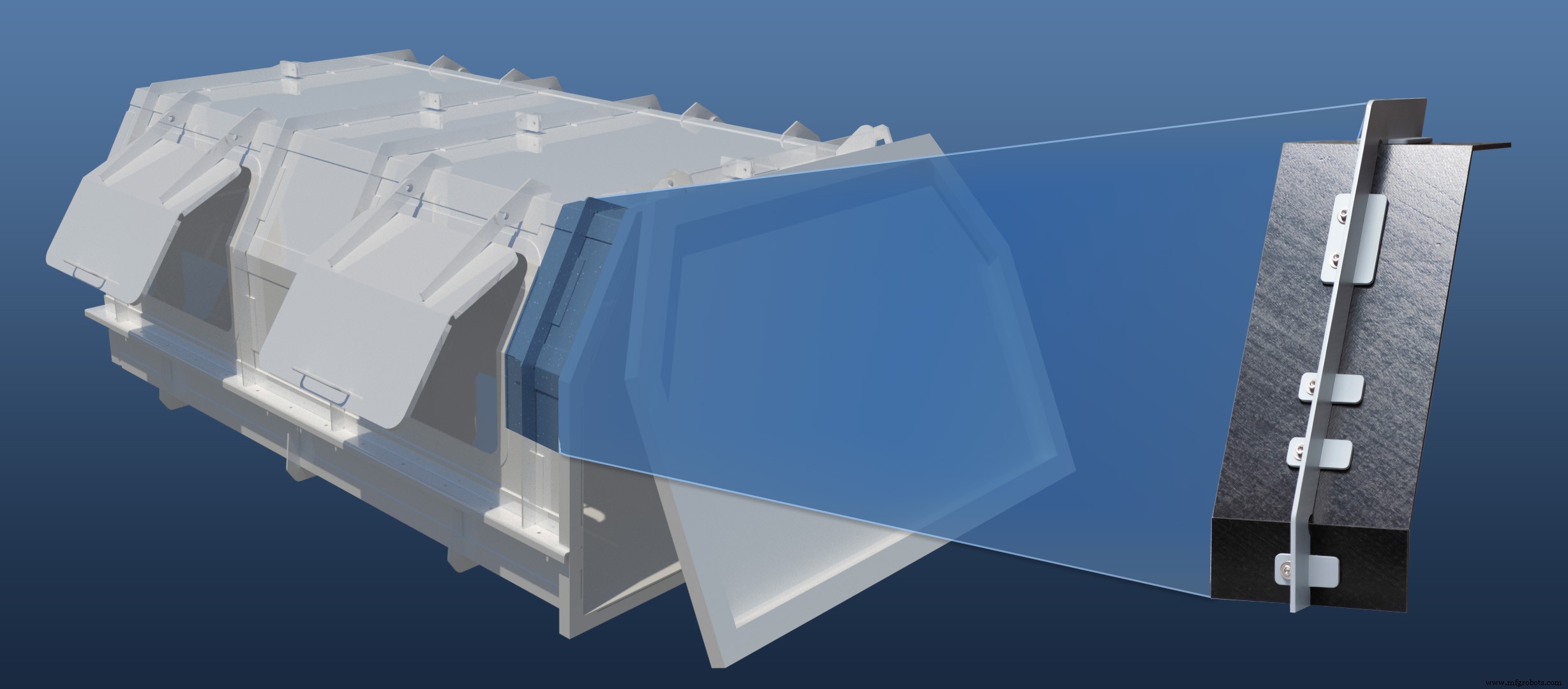
The Fraunhofer Institute for Material and Beam Technology IWS Dresden, along with five other Central German research institutes and companies have recently joined forces for the UTILITAS (”Ultralight structures for commercial vehicles in municipal service operations”) project, which aims at sustainable and cost-effective solutions supporting municipalities to meet their climate protection goals with locally available resources. Together, the companies plan to construct better collection containers made of light metals and fiber-reinforced composite plastics. These solutions will replace the heavy steel superstructures of classic waste trucks with an alternative that will be one-third lighter.
“This new generation of electric vehicles would then be able to transport as much waste per load as a classic small waste truck,” emphasizes Annett Klotzbach, who heads the Bonding and Fiber Composite Technology group at Fraunhofer IWS Dresden.
However, the project’s overarching goal means more than just constructing better refuse vehicles. “This is why the alliance is developing not only the container, but also the related practical production technologies,” explains Klotzbach. “The important point here is to ensure that the new containers can also be built profitably in small series and be quickly repaired in local workshops.” The project partners are said to be relying on container constructions made of aluminum frames and fiber glass-reinforced thermoplastic panels, and are also testing various joining methods.
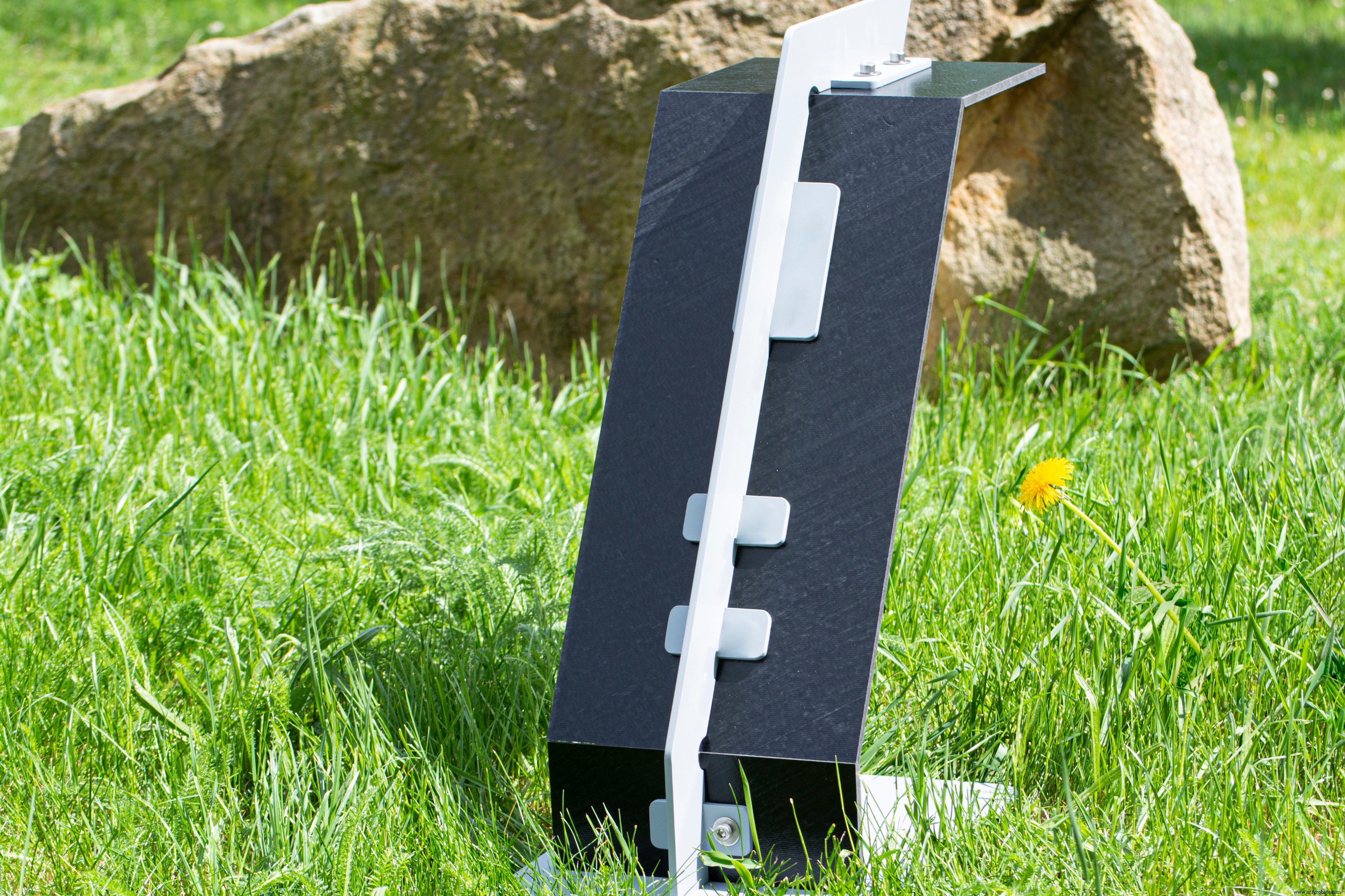
One of the novel joining technologies developed at Fraunhofer IWS, the “HeatPressCool-integrative” (HPCi) is additionally being employed. A laser first roughens the aluminum components, creating grooves in the metal that are thinner than a pin and only about 200 micrometers deep. Subsequently, the tool presses the plastic component against the aluminum strut and briefly heats the metal. During this process, the thermoplastic melts on the aluminum surface, flows into the laser-molded grooves and is anchored there during cooling. After a few seconds, aluminum and composite plastic are said to be permanently and firmly bonded.
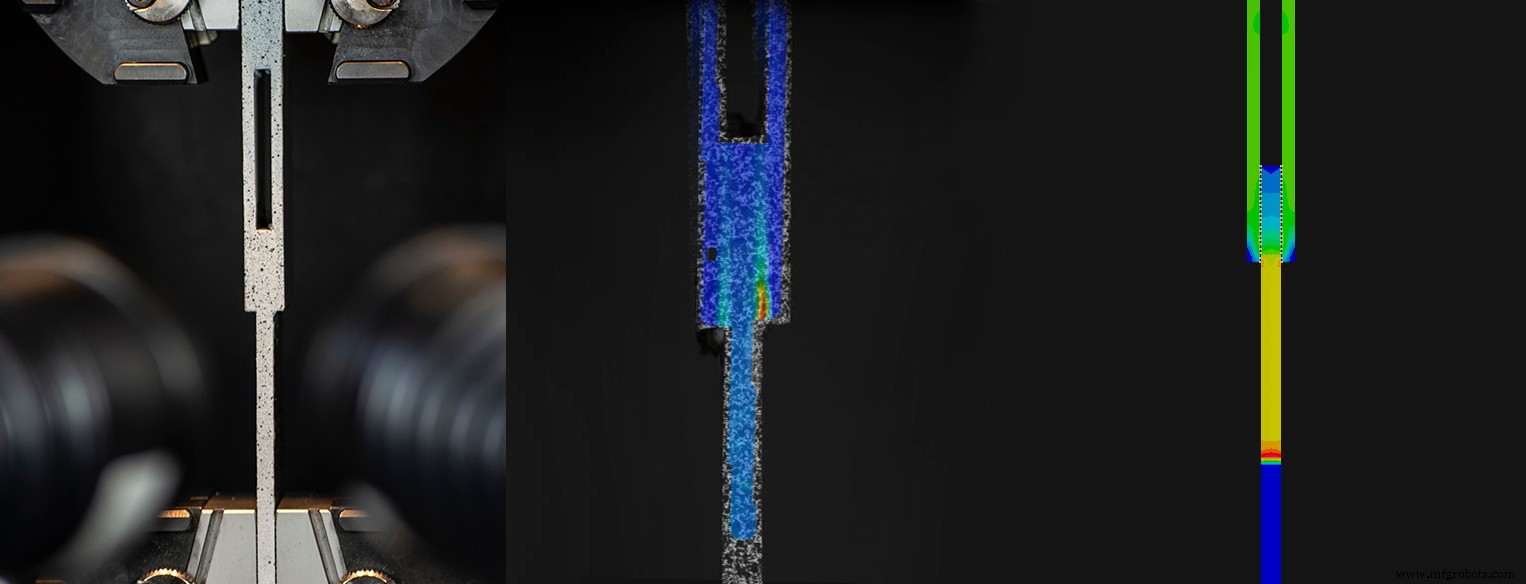
In the course of the development cooperation, the IWS engineers also aim at determining the long-term durability of the joined lightweight container compared to screw or adhesive solutions. According to Fraunhofer IWS, the container will have to withstand high loads in daily use, for example when the vehicle mechanics compress the collected waste. In previous experiments, the HPCi-joined containers proved to be particularly durable and much easier to repair than glued constructions. Measurements have shown that the HPCi joints can withstand tensile forces equivalent to the pressure of a hydraulic arm of up to 25 megapascals.
The IWS experts are convinced that the new joining process is not only suitable for waste container constructions, but also for lightweight constructions in aircraft, railways, industrial facilities, or ships. Industrial customers also intend to use HPCi in the production of dishwashers and other household appliances. Meanwhile, in order to support the broad practical application of the project’s new joining technology, the Dresden researchers say they have developed compact HPCi joining guns that are not much larger than a standard hand drill. They can be modularly mounted on robots, for example, in order to quickly start a small lightweight production run. Since this new tool is so promising, the Fraunhofer scientists also intend to set up a company soon that will series-produce the HPCi joining guns.
With the state of current developments, the company adds, the first electric waste trucks with new lightweight containers will soon shape the urban scene of many large cities. “The container prototypes should be ready by beginning of 2021,” announces Klotzbach. ”We expect the first waste collection vehicles to be on the road within two years.” The developers envisage municipal companies as the main customers.
Six partners are involved in the UTILITAS project: Fraunhofer IWS Dresden, the Chair for Structural Lightweight Design and Plastics Processing at Chemnitz University of Technology (Chemnitz), Marko Pfaff & Co. Spezialfahrzeugbau GmbH (Bad Lausick), Car systems Scheil GmbH & Co. KG, the PROFIL Verbindungstechnik GmbH & Co. KG (Friedrichsdorf) and the EBF Dresden GmbH (Dresden).
fiber
- Key Factors to Evaluate in Composite Manufacturers
- Smart Waste Management: Leveraging IoT to Hit U.S. Recycling Targets
- Norco Supplies Advanced Composite Parts to RS Electric Boats for Pulse58 Electric Sailboat
- Exel Composites Delivers Lightweight Fiberglass Profiles to 33 Electric Buses in Helsinki
- VABO Composites Finishes Carbon Fiber Superstructure for 77‑Meter Royal Van Lent Superyacht
- Composite Materials Lighten Electric Waste Trucks, Boosting Efficiency and Sustainability
- Advancing EVs: Lightweight Composites for Structural Batteries
- Advanced Robotic Injection Molding for Functionalized Composite Components
- Hyzon Motors Introduces Lightweight, Cost‑Effective Hydrogen Storage System for Commercial Vehicles
- E‑Mobility Spurs New Leak‑Detection Challenges for Vehicle Safety