



10 Unexpected Examples of Composite Materials You Didn't Know Existed
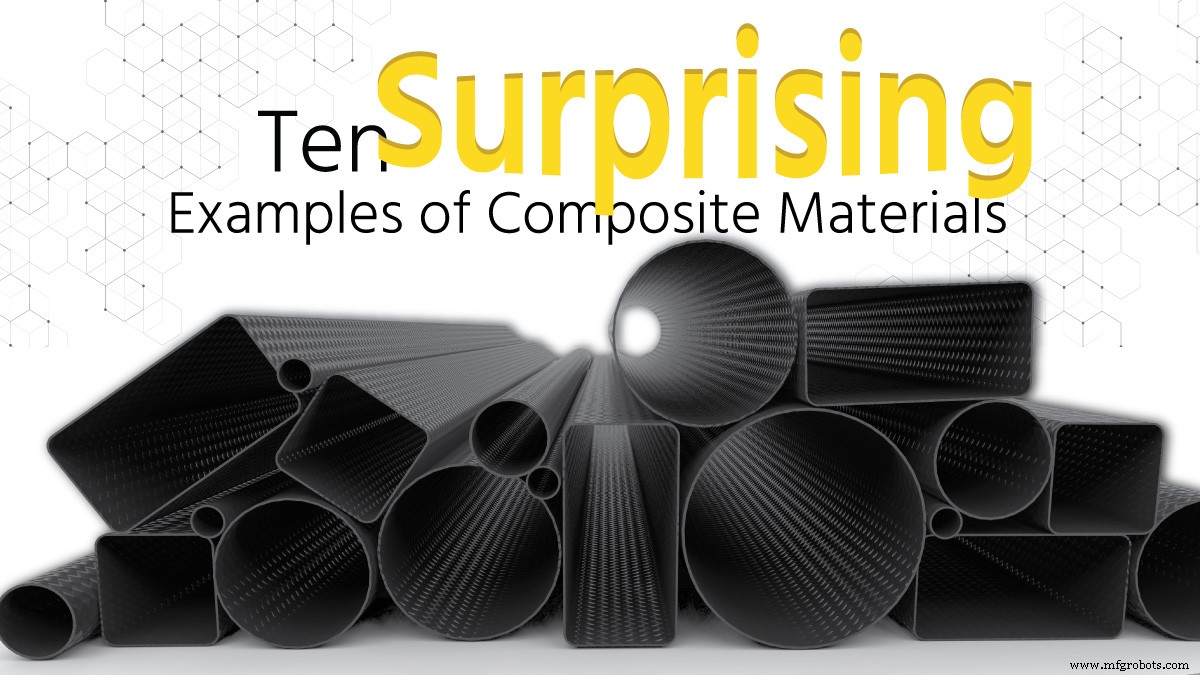
10 Unexpected Examples of Composite Materials
Composite materials—crafted by combining two or more distinct substances—are woven into the fabric of everyday life, from the floors we walk on to the vehicles that carry us. Understanding their composition, applications, and impact reveals why they’re a cornerstone of modern engineering.
Below, we explore ten surprising composites, each illustrating the power of synergy between materials.
1. Mud Bricks
Ancient builders first discovered the magic of composites with mud bricks, a blend of clay and straw. The straw provides tensile strength, preventing the bricks from cracking, while the clay offers compressive resilience. Egyptian temples and rural huts across developing nations still rely on this age‑old composite.
2. Wood (and Engineered Wood)
Contrary to popular belief, natural wood is a composite of cellulose fibers bound by lignin. The arrangement of these fibers determines the strength of different species. Modern engineering takes advantage of this by producing plywood—thin veneers bonded with adhesives—to create a material that is both strong and flexible.
3. Fiberglass
Fiberglass combines glass fibers with a polymer matrix, creating a lightweight, high‑strength material. It’s ubiquitous in plumbing fixtures, boat hulls, and building frames. The close match between the thermal expansion of glass and the surrounding plastic makes fiberglass ideal for window frames that resist warping.
4. Translucent Concrete
Adding optical fibers to traditional concrete yields translucent concrete—a composite that diffuses light while maintaining structural integrity. By adjusting the fiber-to-cement ratio, architects can create striking lighting effects for walkways and façades.
5. Absorbent Concrete
Absorbent concrete incorporates oversized aggregates that create voids for water to travel through. This design enables the material to manage stormwater runoff, reducing flood risk in urban environments.
6. Kevlar‑Based Composites
Kevlar is renowned for its exceptional tensile strength, but its low compressive strength means it’s most effective when woven into composites. Aerospace, protective gear, and high‑performance footwear harness Kevlar to deliver lightweight, durable protection.
7. Carbon Fiber Reinforced Polymer (CFRP)
Carbon fiber, paired with a polymer resin, produces CFRP—a material celebrated for its stiffness, lightness, and corrosion resistance. Aerospace companies use CFRP for wings and fuselage sections, while automotive manufacturers adopt it for body panels to cut weight and improve fuel efficiency.
8. Pykrete
Pykrete—a blend of ice and wood pulp—offers up to 14 times the strength of pure ice. This composite was first envisioned during World War II as a potential naval material and continues to inspire research in sustainable building materials.
9. Composite Honeycomb Panels
Honeycomb structures, whether made from aluminum, plastic, or natural fibers, deliver high compressive and shear strength while minimizing weight. The geometry allows manufacturers to use less material without compromising performance, making them ideal for aerospace panels, packaging, and architectural cladding.
10. Engineered Bamboo Flooring
Combining bamboo strips with adhesives produces engineered bamboo flooring that is stronger, more stable, and easier to install than traditional bamboo. Bamboo’s high tensile strength and low environmental footprint make it a preferred choice for sustainable construction, as demonstrated by temporary shelters built after the 2004 Indian Ocean tsunami.
Beyond the List
Today’s world is saturated with composite innovations—from medical implants and sports equipment to defense systems and renewable energy technologies. Whether you’re an engineer, architect, or curious enthusiast, understanding composites opens doors to smarter, lighter, and more resilient solutions.
We supply high‑performance composites across automotive, aerospace, defense, medical, and sports/recreation sectors. To learn how our expertise can meet your project’s needs, visit our About page.
fiber
- Eco-Friendly Composite Materials: Sustainable Solutions for a Greener Future
- Why Carbon Fiber Leads the Composite Materials Market
- Composite Manufacturing: Advancing Materials for Aerospace, Energy, and Healthcare
- Composite Materials: The Modern Solution for Lightweight, Durable, and Cost‑Effective Engineering
- Broad Applications of Glass Fiber Fabric in Advanced Composite Materials
- Unlocking the Power of Composite Materials in 3D Printing
- Boston Materials Secures Nearly $1M NSF Funding to Accelerate Lightweight Carbon Fiber Development
- Exploring 3D Printing Composite Materials: A Practical Guide for Engineers
- Understanding Composite Beams: Strength and Performance Explained
- SIGRATHERM® ePCM Composite Materials: High-Density Thermal Energy Storage