



Mastering Carbon Fiber Machining: Expert Tips for Drilling, Milling, and Cutting
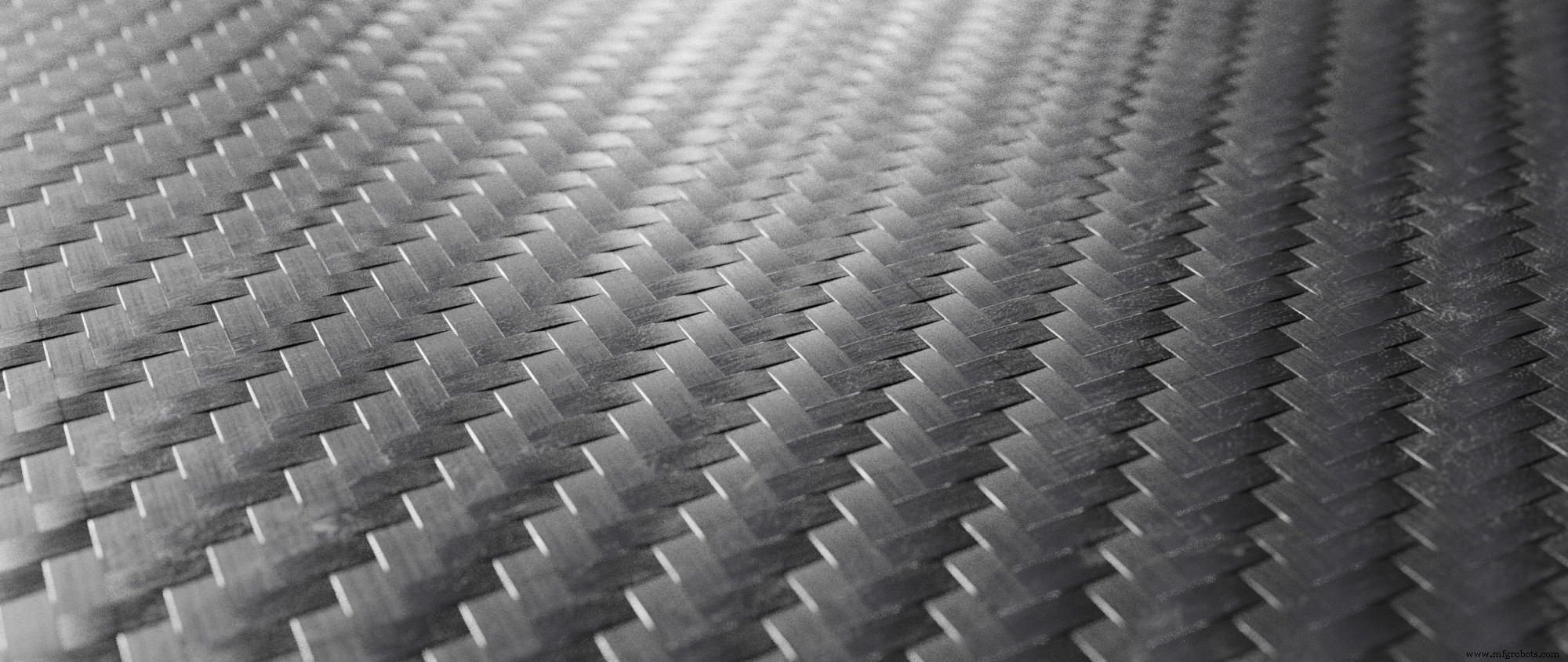
Carbon fiber has become a staple in aerospace and automotive design thanks to its exceptional strength‑to‑weight ratio, durability, and corrosion resistance. As the material’s use expands, so does the need for precise machining techniques that preserve its performance characteristics.
Industry professionals rely on a deep understanding of carbon fiber’s unique properties to execute drilling, milling, and cutting operations safely and efficiently. Below you’ll find proven methods and best‑practice guidance drawn from seasoned composite specialists.
Why Carbon Fiber Requires Specialized Machining
Unlike homogeneous metals, carbon fiber composites are anisotropic and highly abrasive. These attributes demand a flexible approach: selecting the right tools, adjusting speeds and feeds, and managing heat and dust to avoid compromising the material.
Milling Carbon Fiber
Standard metal machining tools can mill carbon fiber, but they must operate at higher spindle speeds and lower feed rates to keep temperatures low and reduce fiber fracture. When coolant is unavailable, careful control of the tool path and the use of specialty tooling—such as carbide inserts with rounded leading edges—helps mitigate heat buildup and extend tool life.
Cutting Carbon Fiber
Cutting is inherently abrasive, so tool selection is critical. Common choices include carbide and polycrystalline diamond (PCD) blades. PCD offers superior wear resistance and heat tolerance, though at a higher cost. Diamond‑coated cutters provide a balance of durability and affordability. Water‑jet cutting is an excellent alternative when precise edge quality and minimal heat generation are required.
Drilling Carbon Fiber
Drilling generates conductive dust that can short electronic components and irritate the skin. The speed of the drill is the primary driver of dust production. Using drill bits specifically designed for composites—such as those with a hollow or flute design—reduces splintering and delamination. Enclosing the workpiece in a water‑jet or using a vacuum system further contains dust, protecting both the operator and the machining environment.
Working with High‑Quality Carbon Fiber
Successful machining begins with sourcing premium composite materials that can withstand rigorous industrial use. SMI Composites maintains a strict quality control process, ensuring that each batch meets the stringent standards required for aerospace and automotive applications. For deeper insights into industry‑specific best practices, explore our additional resources.
fiber
- Carbon Fiber: A Journey from History to Tomorrow
- Carbon Fiber Rings: Advantages, Disadvantages, and Why They’re a Smart Choice for Modern Jewelry
- Carbon Fiber Explained: Strength, Production, and Industry Applications
- Composite Engineering & Carbon Fiber: How Advanced Materials Shape Modern Infrastructure
- Carbon Fiber vs. Fiberglass: A Technical Comparison for Engineers
- Is Carbon Fiber Conductive? Understanding Its Electrical and Thermal Properties
- Renault F1 Unveils a $50,000 Carbon‑Fiber Chess & Backgammon Collection
- 5 Innovative Applications of Carbon Fiber Sheets
- Sigmatex & Hypetex Unveil Innovative Colored Carbon Fiber Solutions for the Composites Industry
- Carbon Fiber: The Ultimate Strength‑to‑Weight Advantage