



Comparing 304 vs 409 Stainless Steel for Exhaust Systems: Which Is Best?
Why are these the two stainless grades used for exhaust systems?
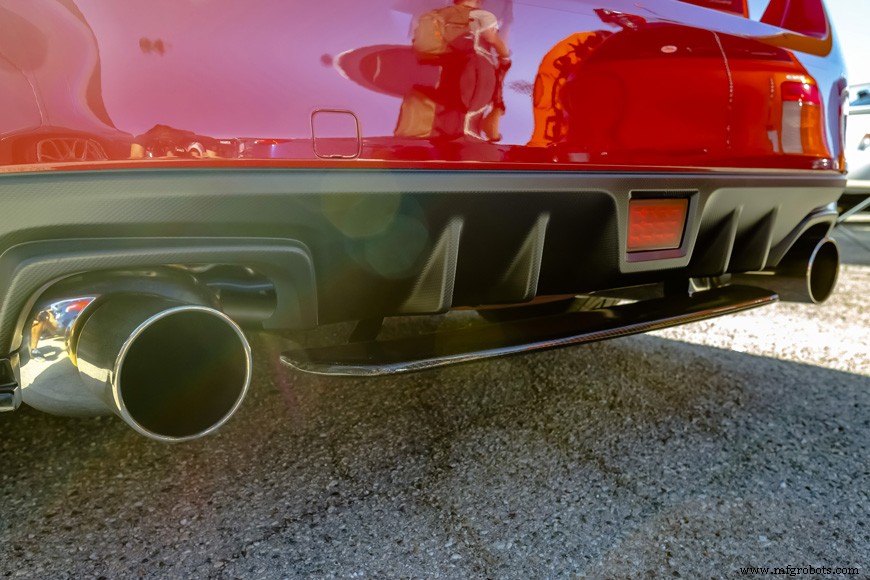
304 is an austenitic stainless steel high in chromium and nickel with very high corrosion resistance. It is one of the most commonly produced and used stainless steel grades. 409 is a ferritic stainless steel with less chromium and very little nickel. It less expensive to produce than 304, but also provides less corrosion resistance.
These two alloys the most common stainless steels used for car exhaust systems. They are useful in these applications because of their superior ability to handle the heat of the car exhaust. However, 409 stainless will tend to show surface rust sooner than 304, even while it maintains structural integrity.
409 vs aluminized steel
409 is more corrosion-prone than 304 stainless steel, but it provides a longer use-life than common OEM aluminized steel exhaust systems. It is the next step up in corrosion protection.
Aluminized steel is regular carbon steel that has been hot-dipped into an aluminum alloy. There is no chromium or nickel in the carbon steel. Instead, the hot-dip aluminum bonds to the outer layers of the steel and works as a sealant against rust. Carbon steel is less expensive than stainless steel, and the aluminum is rust-protective. However, dings and scrapes can expose the steel beneath and start the process of rusting. These pipes and mufflers can rust through and need replacing.
Aftermarket upgrade to stainless steel is often the choice for car enthusiasts and performance specialists. Anything can be replaced in the system: catalytic converters, pipes, mufflers, or tips. There are two reasons people commonly choose stainless: First, stainless steel is rust-resistant and more likely to last the life of the car. Second, non-OEM parts are often designed to enhance the car’s power or mileage. They are designed to help airflow and thermal venting to increase the efficiency of the engine. These augmentations are usually made in a metal that will last the life of the car.
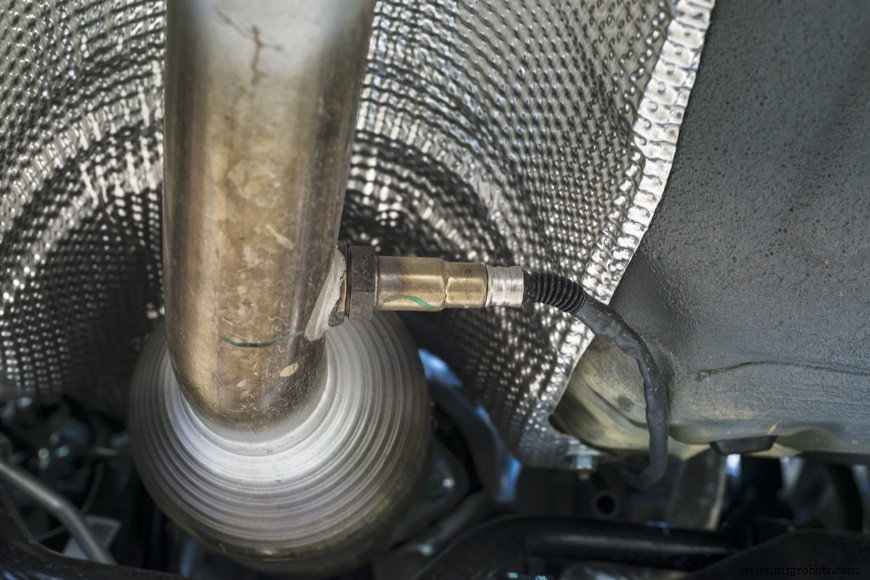
304 stainless steel exhaust tubing
409 stainless is often all that is needed for the boost to longevity or performance. 304 stainless steel adds an aesthetic component. This metal is unlikely to develop rust speckles in regular conditions. That said, salt can affect 304. For those wanting to maintain a pristine finish, all salt deposits in visible areas should be wiped clean as soon as possible.
Where 304 stainless steel is exposed to high heat, it develops a golden-brown, brass-like look. If the color is not desired, commercial metal polish and a cloth often are all that is needed to remove the browning. However, over time, browning will return. Some exhausts are ceramic coated to prevent this.
When cleaning stainless, it is important not to use any steel brushes or scrub pads. Any iron deposits left on the surface will change the surface chemistry and therefore the rust-resistance of the metal.
In extreme conditions, where there is a lot of exposure to road de-icing chemicals, 316 stainless steel exhaust tubing is available. This is a premium austenitic alloy. It costs substantially more than 304 versions but resists corrosion in saltwater due to added molybdenum.
Other uses for 304 and 409 stainless steel
304 is the most common commercial grade stainless steel. It is also known as 18/8 to indicate it has (around) 18% chromium and (around) 8% nickel. It’s the grade most used in food preparation—from utensils to food manufacturing equipment—because it tends to provide the most value. It does not rust easily in wet conditions, is easy to sterilize, and maintains toughness even in hot and freezing temperatures. Due to being weldable and formable, it is easier to manufacture than some other grades.
409 stainless is one of the cheaper stainless steels, and more vulnerable to surface rust than 304. Speckles of rust mean a metal can’t be sterilized, so this grade is not used for food. However, it has excellent strength and thermal properties. In manufacturing contexts, it can be used in dry-only or non-food-facing components. Springs and other small components used in electronics might be made of 409, where its thermal abilities are needed, and dry conditions are guaranteed.
304 vs 409 stainless steel
CORROSION
WELDABLE
MAGNETIC
APPLICATIONS
304 or 18/8 stainless
Gets a golden-brown look when exposed repeatedly to high heat, but experiences very limited corrosion, except in extremely harsh chemical environments. Used in decorative applications.
Excellent weldability but may need annealing afterward.
No
Many applications, including most commercial kitchenware, cookware, indoor architectural detailing, food manufacturing, and stainless steel fasteners.
409
Light surface corrosion can show up in chemically challenging environments, but functionally 409 is much more resistant than aluminized steel.
Must be preheated and worked at low weld temperatures.
Yes
Primarily automotive: exhaust, catalytic converters, and mufflers. However, this alloy is being used more often in manufacturing and construction, in places where surface rust is acceptable. It is an inexpensive substitution where heat is an issue, but chemically accelerated corrosion is not.
CORROSION
304 or 18/8 stainless
Gets a golden-brown look when exposed repeatedly to high heat, but experiences very limited corrosion, except in extremely harsh chemical environments. Used in decorative applications.
409
Light surface corrosion can show up in chemically challenging environments, but functionally 409 is much more resistant than aluminized steel.
WELDABLE
304 or 18/8 stainless
Excellent weldability but may need annealing afterward.
409
Must be preheated and worked at low weld temperatures.
MAGNETIC
304 or 18/8 stainless
No
409
Yes
APPLICATIONS
304 or 18/8 stainless
Many applications, including most commercial kitchenware, cookware, indoor architectural detailing, food manufacturing, and stainless steel fasteners.
409
Primarily automotive: exhaust, catalytic converters, and mufflers. However, this alloy is being used more often in manufacturing and construction, in places where surface rust is acceptable. It is an inexpensive substitution where heat is an issue, but chemically accelerated corrosion is not.
Comparing metals used for automotive exhaust systems
There are a wide range of metals used for exhaust systems, not just the common ones listed above. For many, rust is part of the natural lifecycle, even if it doesn’t look great. Choices are made on performance, longevity, and aesthetic grounds.
- Cast iron is inexpensive and tough, brittle when struck and quite heavy. It is still used in many OEM manifolds. Rust on cast iron forms a patina that helps slow corrosion.
- Mild steel or carbon steel is sometimes used but will corrode without treatment.
- Aluminized steel is mild or carbon steel hot-dipped in aluminum to create a corrosion-protecting layer. Scratches and dings and new welds expose the steel below to rust.
- Stainless steel has chromium, which creates a chromium oxide layer that seals the metal and prevents rust. This chromium oxide will re-form even if the metal is scratched. All stainless will rust when in contact with iron or plain steel.
- 409 stainless steel is a ferritic, magnetic steel that performs well in exhaust systems and may develop some surface rust but only rusts through in tough conditions
- 304 stainless steel is an austenitic, non-magnetic steel that performs well in exhaust systems and resists surface rust except in salty conditions
- 316 stainless steel is an austenitic, non-magnetic steel with molybdenum that resists rusting even in salty conditions
- Stainless steel with ceramic coating is installed to help prevent the golden-brown brassy color that can happen to some stainless steels in heat.
- Titanium is mostly only used on luxury or performance vehicles. It won’t corrode and is lighter, but it is prohibitively expensive for most people.
- Inconel is a nickel chromium alloy used in Formula One vehicles. It’s thin and light, but expensive and hard to work with.
Metal
- Stainless Steel: Properties, Manufacturing, and Future Applications
- Choosing the Right Stainless Steel: 304 vs 316 Explained
- Effective Stainless Steel Cleaning & Passivation: Protect Against Rust & Corrosion
- 304 vs 316 Stainless Steel: Which Is Superior for Your Projects?
- Carbon Steel vs Stainless Steel: Choosing the Right Alloy for Your Project
- Choosing the Right Stainless Steel: 304 vs. 430 Explained
- Steel vs. Stainless Steel: Choosing the Right Metal for Your Project
- Comparing 304 vs 409 Stainless Steel for Exhaust Systems: Which Is Best?
- 304 vs. 316 Stainless Steel: Key Differences Explained
- Comparing 304, 316, and 316L Stainless Steel: Performance & Applications