



Harnessing 3D CAD for Precision Sheet Metal Fabrication
Introduction
Sheet‑metal fabrication remains a cornerstone of modern manufacturing, delivering critical components for aerospace, automotive, electronics, and construction sectors. Recent advances—especially the widespread adoption of 3D Computer‑Aided Design (CAD) software—have transformed how fabricators design, prototype, and produce high‑precision parts.
Digital Prototyping: A Leap from Paper Drawings
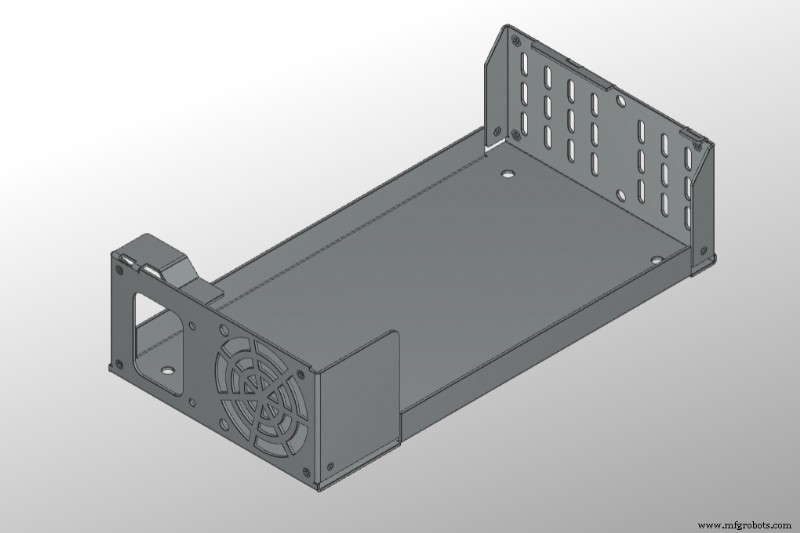
For decades, fabricators relied on hand‑drawn schematics and physical mock‑ups. Today, 3D CAD lets engineers build exact digital models that reveal every dimension, tolerance, and surface geometry in three dimensions. This level of detail reduces trial‑and‑error, cuts prototyping time, and slashes costs associated with physical models.
Collaborative Design: Breaking Down Communication Barriers
3D CAD files are shared across design, engineering, and production teams in real time. A change made by one stakeholder propagates instantly to all users, eliminating misunderstandings that historically caused rework. This shared digital workspace speeds decision‑making and enhances the quality of every part.
Design Optimization: Identifying and Resolving Issues Early
Before cutting begins, fabricators run finite‑element analyses, stress simulations, and material‑usage checks directly within the CAD environment. These virtual tests uncover weak points, predict manufacturing challenges, and reveal opportunities to reduce weight or cost. By addressing problems early, companies avoid costly re‑work and deliver more reliable products.
Seamless Integration with CNC Machinery
The CAD file is the master instruction set for CNC machines. It specifies every cut, bend, and form with sub‑millimeter precision, ensuring repeatability and eliminating human error. CNC automation also shortens set‑up times, allowing faster turnaround and higher throughput.
Material Optimization: Minimizing Waste
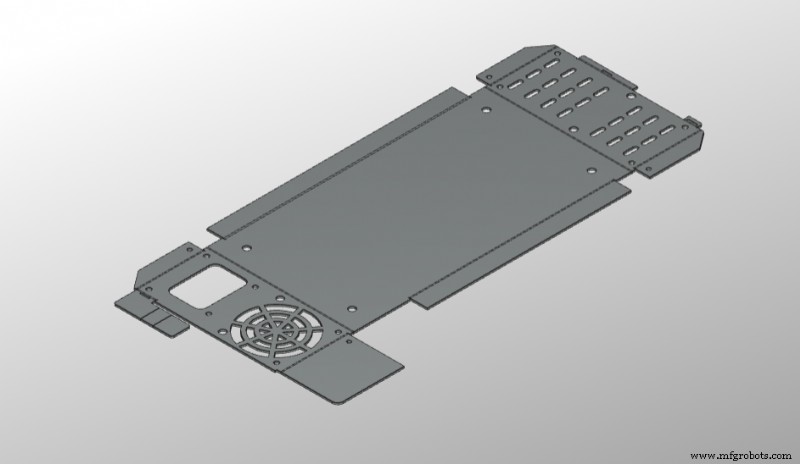
Efficient nesting algorithms embedded in CAD software arrange parts on the raw sheet to maximize material use. The result is lower scrap rates, reduced material costs, and a smaller environmental footprint—benefits that resonate with both budget and sustainability goals.
Conclusion
Integrating 3D CAD into sheet‑metal fabrication has raised industry standards across accuracy, speed, and collaboration. Fabricators now resolve design issues before the first cut, streamline material usage, and produce parts that meet rigorous performance requirements. As technology evolves—think advanced simulation, AI‑driven design, and cloud‑based collaboration—sheet‑metal manufacturing will continue to set new benchmarks for quality and efficiency.
Topics Covered
- Metal Fabrication
- Steel Fabrication
- CAD Models in Manufacturing
- Engineering Designs
- Custom Sheet Metal Fabrication
- Fabrication of Medical Devices
- Custom Metal Fabrication
- Press Braking
- Laser Cutting
- Manufacturing Design
- Changes in Manufacturing
- Laser Cutting Capabilities
- Metal Enclosures
- Fiber Laser Cutting
Metal
- AA Standards Grade 5180A – Comprehensive Material Specifications
- ASTM A131 Grade EH40 Low-Carbon Steel: Key Properties & Applications
- JIS H4080 Grade 2024 O – Premium Aerospace-Grade Aluminum Alloy
- AA 6262 T9: Premium Free‑Machining Aluminum Alloy with Superior Strength and Corrosion Resistance
- AW-7003 T6 Aluminium Alloy – EN 573-3 Certified Grade
- EN 12844 Grade ZP3 – Superior Ductility for Precision Pressure Castings
- ASTM A512 Grade 1110 – Premium Stress‑Relief Annealed Round Tubes
- SEW 400 X90CrMoV18 Soft-Annealed Steel: Superior Corrosion & Wear Resistance
- DIN 2391-2 St 30 Si Steel Tube – Bright Drawn, Hard, High Precision
- EN 1706 Grade AC-42100 T6 Aluminium Alloy – Properties & Performance