



Why Aerospace Manufacturers Rely on Stainless Steel Carts for Heavy‑Duty Parts Handling
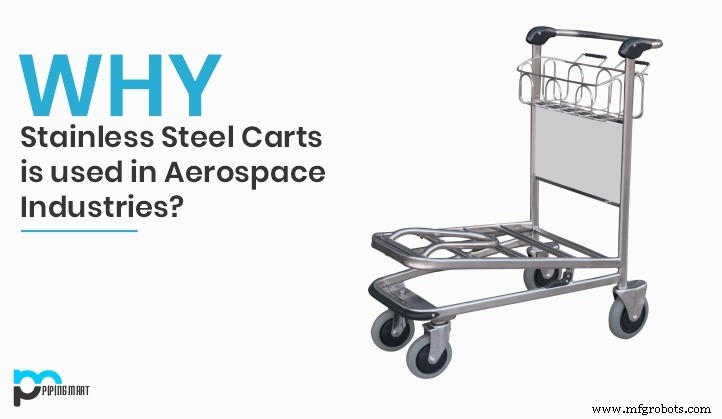
Aerospace production demands the safe movement of exceptionally heavy, fragile, or both heavy and delicate components. Stainless steel carts offer a reliable solution, ensuring that bulky parts—such as jet engine turbines—are transported with precision and care from one process to the next.
Why do aerospace companies choose stainless steel carts?
Safeguarding Large Parts
Transporting delicate, oversized parts poses a significant challenge. Traditional methods like ropes and pulleys can damage sensitive surfaces, while manual handling is impractical for heavy loads. Stainless steel carts with robust wheels provide a stable platform, allowing large components to be moved effortlessly without the risk of scratches or dents.
High‑grade coatings on these carts create a buffer that prevents metal‑on‑metal contact, preserving pristine surfaces. Their thick sidewalls further protect against accidental impacts, reducing rejection rates caused by surface flaws and helping manufacturers meet stringent aerospace quality standards such as AS9100.
Facilitating Assembly Operations
During engine or turbine assembly, proximity of parts is critical. Stainless steel carts enable rapid relocation of large components to assembly stations, especially when hoist capacity is limited. By moving all necessary parts with the cart, teams can sequence installation efficiently, saving time and minimizing downtime.
Accelerating Drying and Cleaning Cycles
After washing or chemical treatment, large parts can take hours to dry. An open‑top stainless steel cart with a mesh bottom promotes airflow, speeding the drying process. The mesh also traps liquids, preventing re‑contact with parts that could lead to scratching or contamination.
Because the cart is wheeled, it can be moved swiftly between stations, further reducing the time between processes and improving overall throughput.
Reducing Employee Strain and Enhancing Safety
Manual handling of heavy aircraft components often results in workplace injuries. Stainless steel carts equipped with wheels can manage a 30‑pound pull ratio, allowing staff to maneuver large parts with minimal effort. This not only protects employees from strain but also lowers injury‑related downtime and improves productivity.
Metal
- Leveraging Stainless‑Steel Medical Carts to Cut Costs and Boost Productivity in Pharma Manufacturing
- Effective Stainless Steel Cleaning & Passivation: Protect Against Rust & Corrosion
- Carbon Steel vs Stainless Steel: Choosing the Right Alloy for Your Project
- Steel vs. Stainless Steel: Choosing the Right Metal for Your Project
- Passivation for Stainless Steel Parts & Enclosures: Boost Corrosion Resistance
- Understanding the Corrosion Resistance of Stainless Steel
- Stainless Steel: From Aerospace to Everyday Tools – The Global Industry Essential
- Stainless Steel’s Vital Role: Four Industries That Depend on It
- Understanding Stainless Steel: Composition, Benefits, and Applications
- Premium Aluminum & Stainless Steel Aerospace Parts – Lightweight, Durable, High Performance