



Evonik Introduces Lighter, Cost‑Effective High‑Voltage Battery Housing Using Glass‑Fiber SMC
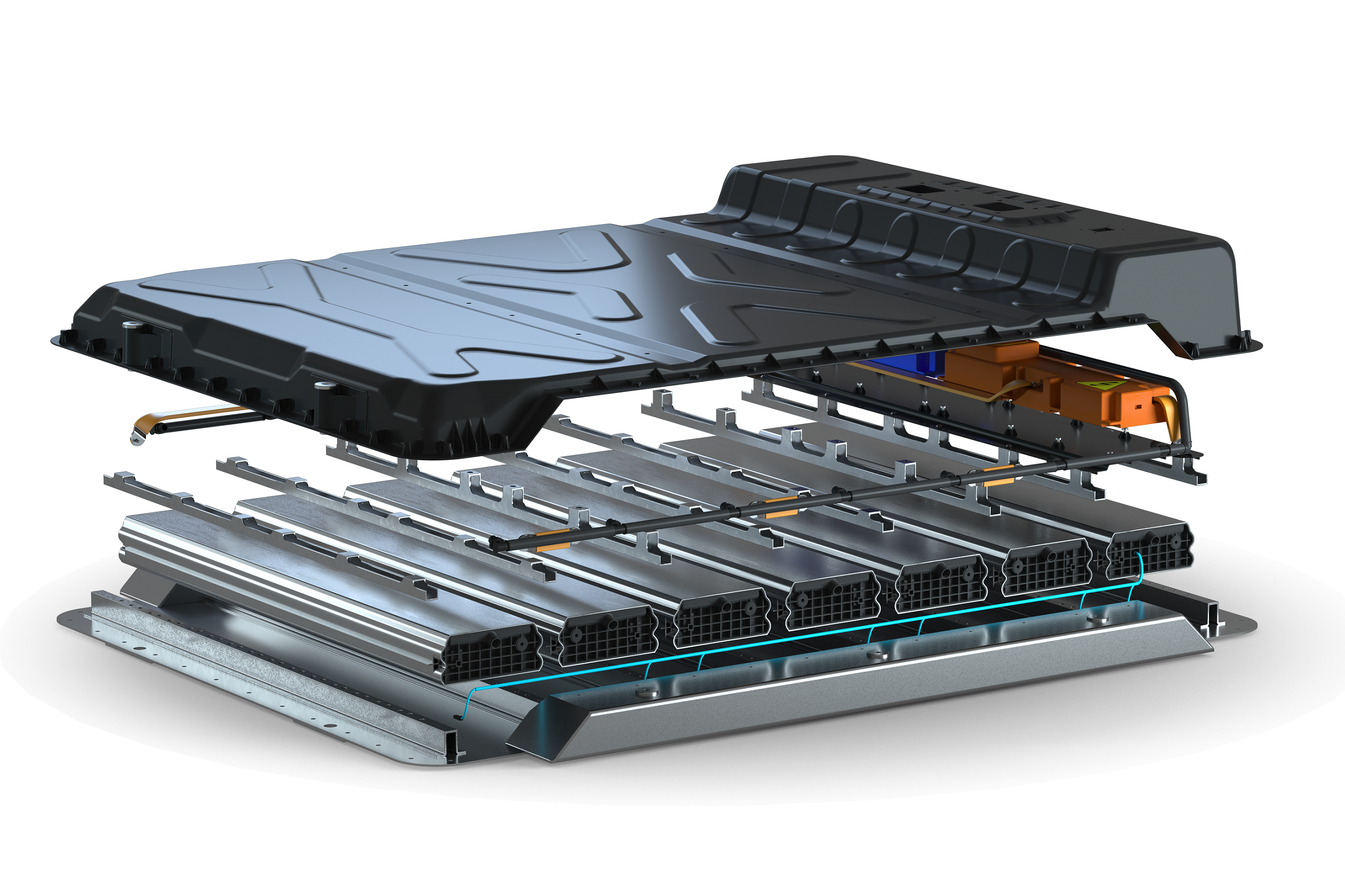
It was reported on Feb. 1 that Evonik Industries (Essen, Germany) and consortium partners have developed a lighter and more cost-effective high-voltage battery housing concept for e-mobility solutions using glass fiber-reinforced epoxy sheet molding compound (SMC). According to the company, the holistic battery system concept offers the automotive industry a safer and more energy efficient alternative to metals, or higher priced carbon fiber-reinforced plastics.
Although millions of electric cars and plug-in hybrids are already on the roads worldwide, Evonik says, there are still no generally applicable standards for the individual components. However, significant efforts are currently being made to standardize individual vehicle assemblies and establish a cross-market component standard.
Increasing the range of the vehicles by improving the storage capacity of the batteries and efficient energy recovery is currently one of the main areas of focus. In addition, reducing the weight of the individual vehicle components can also help to reduce the amount of energy required to overcome driving resistance (e.g. tire rolling, gradient, acceleration).
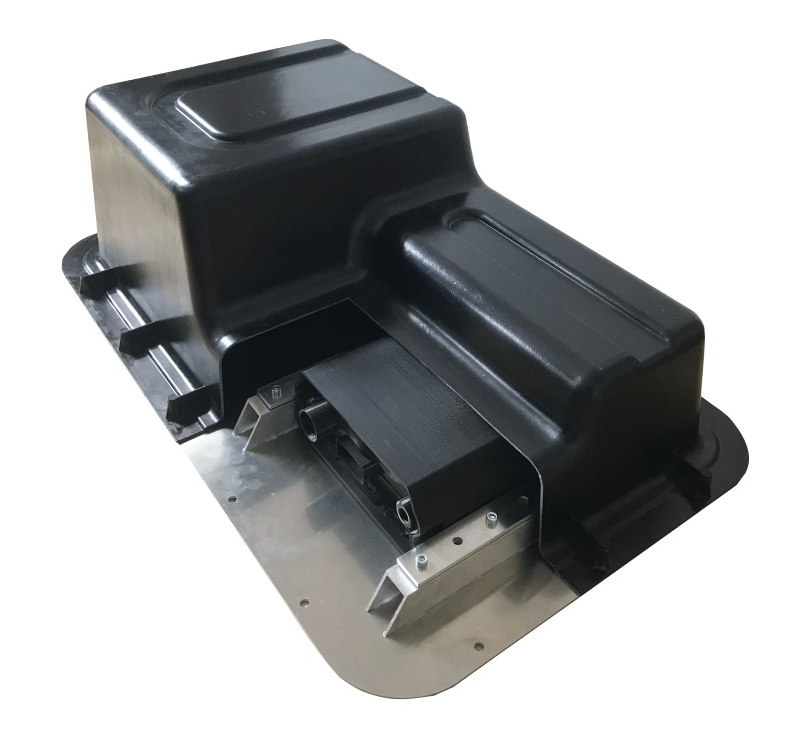
To this end, Evonik, Forward Engineering, LION Smart, Lorenz Kunststofftechnik and Vestaro (a joint venture of Evonik and Forward Engineering), began working together on a modular, multi-material approach at the end of 2019. The composite battery housing concept developed under this partnership can be used for three different battery-sizes, 65 kilowatt-hours (kWh), 85 kWh and 120 kWh for use in various vehicles sizes and class. One of the key elements of the new battery concept is the glass fiber SMC cover. Based on Evonik’s high-performance epoxy curing agent VESTALITE S, the SMC reportedly delivers the performance levels of the previous metal-based battery enclosures, while being significantly lighter than the current, more cost-prohibitive SMC materials. Further, the enclosure is said to reduce the weight of the battery housing by approximately 10% compared to other commonly used material combinations, without any loss in mechanical properties.
“Battery modules and their housing has become a key area for improving the performance, efficiency and affordability of modern electric vehicles,” says Dr. Leif Ickert, marketing manager Composites and Adhesives, Evonik Operations GmbH and managing director, Vestaro GmbH. “Composite technologies provide strength and versatility, and they offer a very promising solution for future battery system concepts. Our new glass fiber-reinforced SMC delivers the performance and economic benefits the automotive industry requires to push ahead with the next generation of sustainable e-mobility concepts.”
Evonik says the glass fiber-reinforced epoxy SMC possesses excellent mechanical properties including flexural and impact strength, and by using epoxy resin instead of the usual polyester resin, other problems often encountered during downstream processing of glass fiber-reinforced SMC materials have been eliminated. Additionally, it meets all specifications regarding fire resistance and is easy to process even when complex geometries are demanded. The entire concept was successfully tested for suitability for series production and safety even under extreme conditions.
Evonik notes that, consortium partner, Lorenz Kunststofftechnik has also developed an established process for successfully recycling these glass fiber-reinforced SMC materials, an important factor in view of the increasing sustainability requirements in the automotive industry.
Resin
- Amodel PPA Supreme – Next‑Generation Polyphthalamide for E‑Mobility and Metal‑Replacement Applications
- Lanxess and Kautex Textron Pioneer D‑LFT Thermoplastics for Lightweight EV Battery Housings
- Composite Rebar: Safeguarding Future Infrastructure Against Climate Stress
- WEAV3D Composite Lattice Approved for Robust, Non-Metallic Infrastructure Reinforcement
- Toray Introduces High-Performance Spherical Polyamide Particles for Superior 3D Printing
- Evonik's VESTALITE S: Advanced Epoxy Hardener for High-Performance SMCs in E-Mobility
- SGL Carbon Secures BMW Contract to Produce Advanced Composite Battery Enclosures
- Lanxess & INFAC Release Advanced Composite Battery Housing for Electric Vehicles
- Brazilian Gatron Crafts Advanced Fiberglass Deflectors for Volvo’s Efficiency Concept Truck
- E‑Mobility Spurs New Leak‑Detection Challenges for Vehicle Safety