



Injection Molding vs. Plastic Machining: How to Choose the Right Process for Custom Fasteners
Plastic molding, also known as “injection molding,” and machining plastic components are fundamentally different manufacturing methods. But how do they differ, and which is best for your custom plastic fasteners?
During the injection molding process, plastic pellets—rigid when cold but viscous when heated—are melted and injected into a precision‑made cavity. As the material cools, it hardens into the exact shape of the cavity.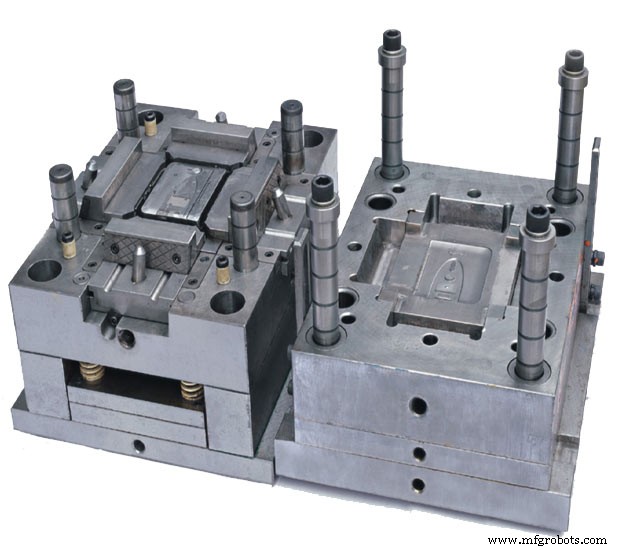
Plastic machining, on the other hand, is the subtractive process of trimming a larger piece of plastic down to the desired dimensions—much like shaving a branch with a knife.
So how do they stack up?
Plastic machining can cost as much as 25 times plastic molding. Yet, in some cases, machining may actually be cheaper.
The main factor is the cost of the initial mold, which can range from $5,000 to $200,000 depending on complexity. For low‑volume runs, the upfront mold cost often outweighs the per‑part cost of machining.
Once a mold is built, making changes is difficult and expensive; wholesale modifications are virtually impossible.
Typically, if you need a few hundred or fewer parts, machining is the cost‑effective choice. For larger orders, molding becomes the preferred method.
There are a few exceptions.
Plastic machining offers higher precision—within .001 inches versus .005 inches for molding—making it essential for tight‑tolerance applications.
In addition, injection molding can leave minor cosmetic marks from gates and knockout pins, which may be unacceptable for parts that must be blemish‑free. Machining can deliver a uniformly smooth surface.
Machining also provides a faster turnaround time, a critical advantage when schedules are tight.
So, if you or your company is choosing between plastic molding and machining, consider the following:
- If you require a couple hundred or fewer parts, machining is likely the best choice.
- If you are considering molding, weigh the cost of creating the initial mold against the higher expense of machining.
- Give machining serious thought if (1) your project requires a high degree of precision and/or (2) your parts must have uniform surface smoothness.
Note: Not all plastic materials can be injection molded!
Have questions about plastic machining and molding? Sign up for a complimentary material consultation and let our engineers answer them for you!

Resin
- The Complete Guide to Injection Molding: From Pellets to Finished Parts
- Accurate Injection Molding Cost Estimation Guide
- Choosing the Right Plastic Injection Molding Partner: Key Factors for Success
- Mastering ABS Plastic Injection Molding: A Comprehensive Process Guide
- CNC Machining vs. Injection Molding: Choosing the Right Method for Your Project
- Choosing the Right Automotive Injection Molding Process for Optimal Quality
- The Evolution of Plastic Injection Molding: From Inception to Modern Manufacturing
- Top Plastic Materials for Injection Molding: A Guide to Optimal Choices
- CNC Plastic Machining vs Injection Molding: Choosing the Best Production Method
- Top 7 Benefits of Plastic Injection Molding for OEMs and Rapid Prototyping