



Revolutionizing Injection Molding with Stratasys PolyJet Technology
Injection molding remains a cornerstone of plastic manufacturing, transforming molten polymers into precise parts. Traditionally, this process relies on labor‑intensive metal molds carved from aluminum or steel, driving up both cost and lead time. Stratasys’s PolyJet technology is reshaping this landscape by enabling rapid, low‑cost production of prototype molds from an ABS‑like photopolymer.
PolyJet‑fabricated molds are ideal for materials that resist conventional machining—such as elastomers—and serve as a seamless bridge to full‑scale production tooling. The result: faster iteration, reduced tooling expenses, and greater design flexibility.
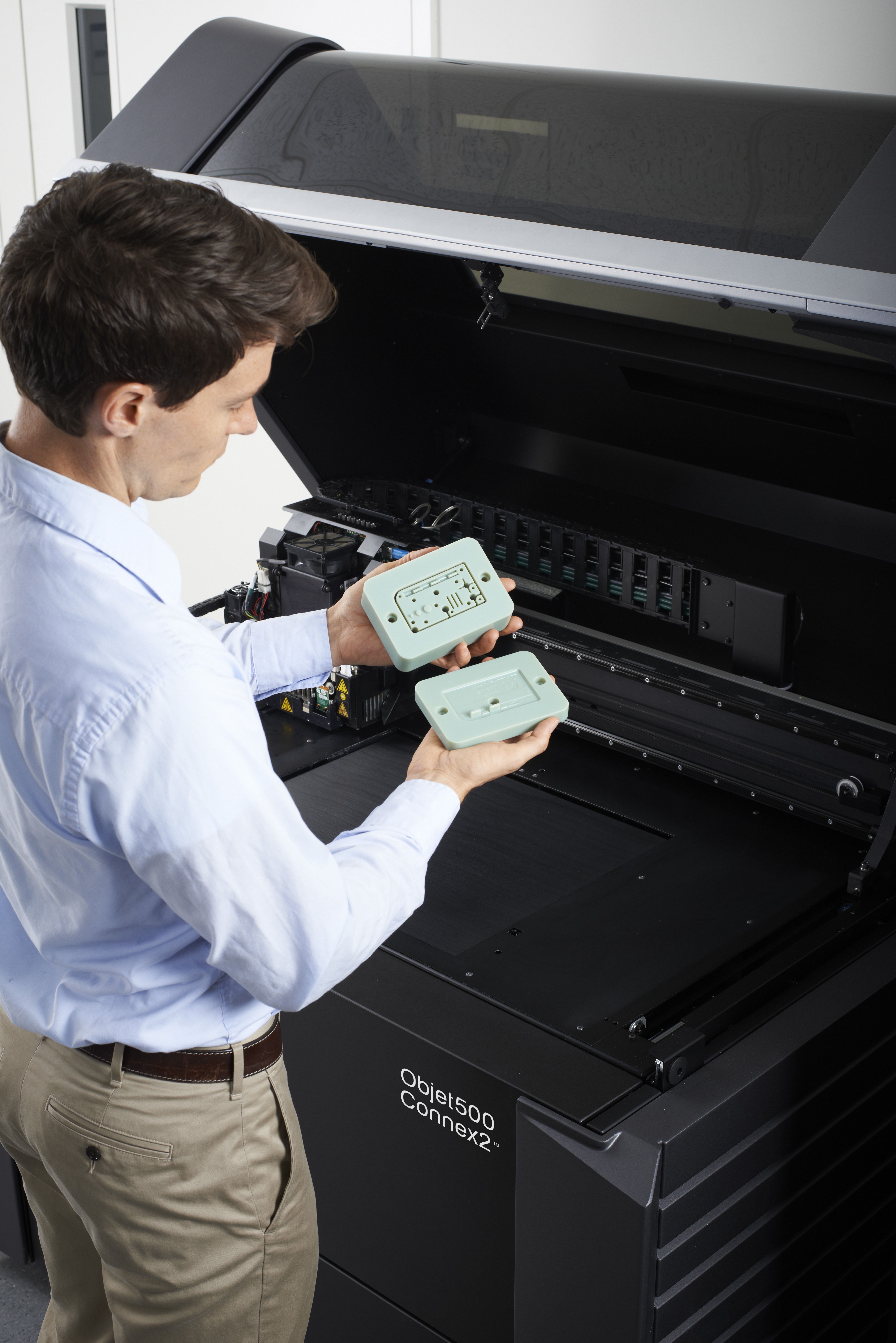
Minneapolis‑based Diversified Plastics exemplifies this shift. Prior to PolyJet, the company used heavy aluminum and P20 steel molds, often taking weeks to deliver prototypes. With the Objet260 Connex, they now produce high‑quality molds in days, cutting costs and accelerating the feedback loop. VP Annette Lund notes, “Printing mold components lets us supply prototypes in a matter of days rather than weeks, and it’s actually less expensive.” This speed also frees designers to validate concepts earlier in development, reducing the risk of costly redesigns.
Across the Atlantic, Whale Pumps in Northern Ireland faced similar bottlenecks. R&D teams were dependent on outsourced machining in China, leading to prolonged lead times and elevated expenses. By adopting PolyJet, Whale Pumps gained the ability to print multi‑material, multi‑colored parts in-house. Manager Patrick Hurst reports, “Within a week of receiving the machine, it was fully utilized. The demand was so high we purchased a second Stratasys printer.” The company now designs tools during the day, prints them overnight, and tests them the next morning with real‑world materials, delivering significant time and cost savings that directly impact product launch timelines.
These case studies underscore how Stratasys’s continual innovation in additive manufacturing opens new avenues for injection molding—making prototype development faster, cheaper, and more adaptable than ever before.
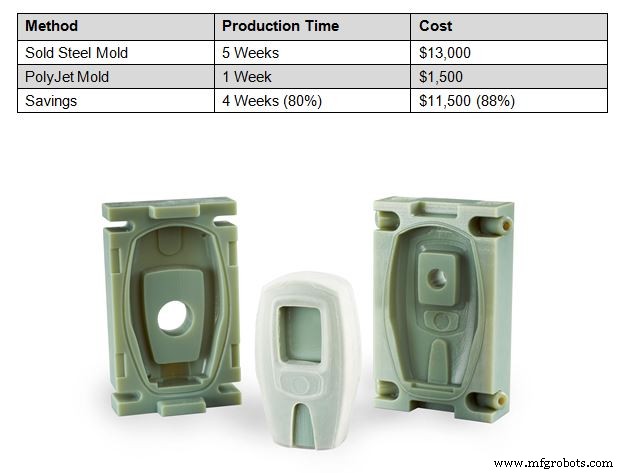
Diversified Plastics:
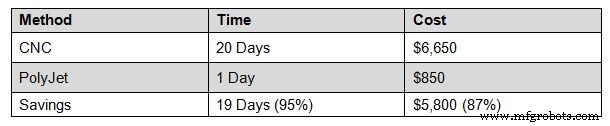
Whale Pumps:
Tags: Connex, injection molding, Molds, PolyJet Technology
3D printing
- 3D‑Printed Molds for Low‑Volume Injection Molding – Download the IPC Technical Study
- Low‑Volume Injection Molding: A Proven 3‑D Printing Guide for Cost‑Effective Prototypes
- SPI‑67: A Seamless Interface for Motoman Six‑Axis Robots and Injection Molding Presses
- Advanced Plastic Injection Molding: Cutting-Edge Solutions for Modern Production
- When to Choose Overmolding in Injection Molding
- Revolutionizing Production: Injection Molding Meets 3D Printing for Complex Parts
- Choosing Between 3D Printing and Injection Molding: Which Method Delivers Best Value?
- Choosing Low-Volume Injection Molding for Cost-Effective Production
- Mastering Injection Molding of High‑Temperature Engineering Plastics
- Fast Radius: 7-Step Injection Molding Process Guide