



Debunking 3D Printing Myths: Three Common Misconceptions Explained
As 3D printing moves from niche hobbyist circles into mainstream production, the industry has experienced explosive growth—an increase documented by the Wohler 2016 report, which highlights a surge in market size over the past few years. While this trend signals a bright future for additive manufacturing, it also fuels misconceptions that can hinder the adoption of professional‑grade 3D printers.
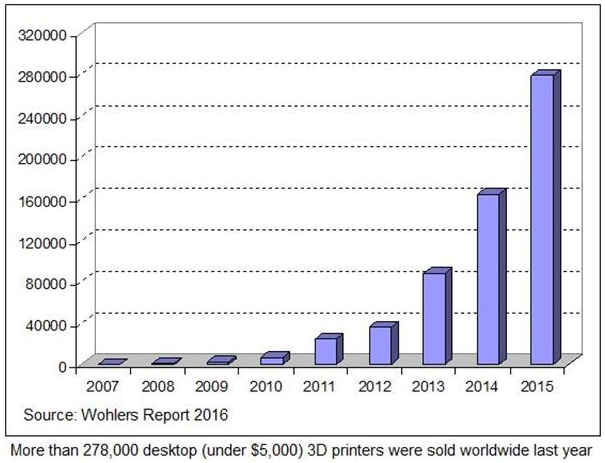
Much of the visible expansion is driven by consumer‑level desktop printers, such as Makerbot, which many equate with the entire 3D printing landscape. This perception paints 3D printing as a tool for producing inexpensive, fragile toys, undermining the value of high‑end systems used in aerospace, automotive, and medical sectors.
Stratasys— the world’s largest 3D printer manufacturer and a founding contributor to the technology—along with its certified reseller CADimensions, brings decades of expertise to help businesses unlock the full potential of additive manufacturing. Below, we address three prevalent objections that often deter enterprises from embracing professional 3D printing solutions.
- “I need the durability and strength of aluminum and other metals for my jigs and fixtures.”
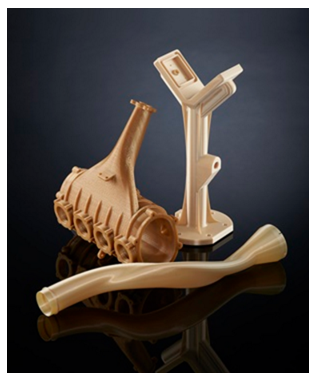
While strength is critical, the material must meet specific functional and cost criteria. Advances in engineering plastics now rival metal in many applications. For instance, Stratasys’s ULTEM 1010 offers tensile strengths ranging from 10,000 to 20,000 PSI, depending on part geometry, delivering a strength‑to‑weight ratio comparable to aluminum. ULTEM also meets rigorous industry certifications, making it suitable for aerospace, automotive, and medical tooling.
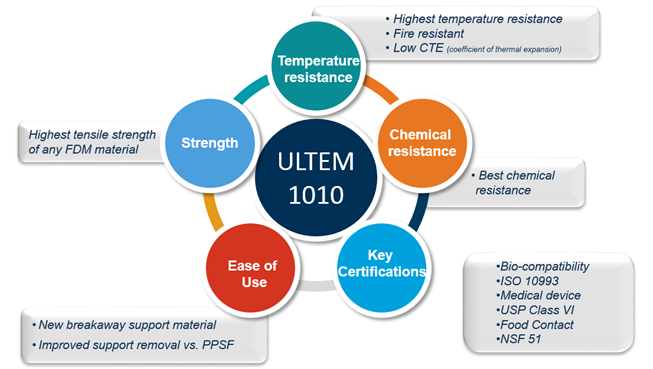
In addition, ULTEM’s thermal resistance and chemical stability enable use in demanding environments where traditional metals may suffer corrosion or thermal deformation.
- “We require extremely accurate tools that can only be achieved with CNC.”
Both FDM and PolyJet technologies deliver exceptional dimensional accuracy. FDM can achieve tolerances as fine as .005″, while PolyJet offers layer resolutions down to 16 µm (14 µm on the latest J750 system). Coupled with advanced post‑processing techniques—such as surface polishing, sandblasting, and functional coatings—professional 3D printing can match or surpass CNC finishes for a fraction of the cost.
- “All of my manufacturing aid needs are met with my in‑house CNC.”
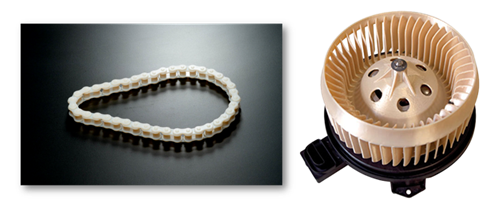
3D printing’s additive nature reduces material waste and enables the creation of geometrically complex parts that are impractical or impossible with subtractive methods. This capability allows manufacturers to consolidate assemblies, eliminate secondary operations, and reduce tooling time. Moreover, the ability to print customized support structures tailored to each part minimizes post‑processing labor and enhances overall efficiency.
Tags: 3D Printers, Accuracy, Additive Manufacturing, Misconceptions, Tool
3D printing
- Mastering Polyjet 3D Printing: Precision, Detail, and Versatile Applications
- Bioprinting Explained: How 3D Printing Creates Living Tissues & Future Organs
- Metal 3D Printing: Debunking 7 Common Misconceptions
- Debunking 3D Printing Myths: What the Technology Truly Can Do
- Discover How Easy 3D Printing Is: A Beginner’s Guide
- Demystifying 3D Printing: A Clear Guide for Innovators
- 3D Printing Explained: Part 1 – From Raw Materials to Modern Innovations
- Concrete 3D Printing: Revolutionizing Construction with Precision Robotics
- Revolutionizing Jewelry Design: The Power of 3D Printing
- Revolutionizing Fashion: How 3D Printing Transforms Design & Production