



Using 3D Scanning to Measure Plastic Deformation: A Practical Study
 \n
\n
\n
When a component is subjected to forces that permanently alter its shape, it has experienced plastic deformation. While a visual inspection can confirm that a part has changed, determining the precise nature and extent of that change is a far more complex task. Engineers rely on detailed deformation data to refine designs, enhance performance, and extend service life.
\n\nTesting Plastic Deformation with Our Smarttech 3D Scanner
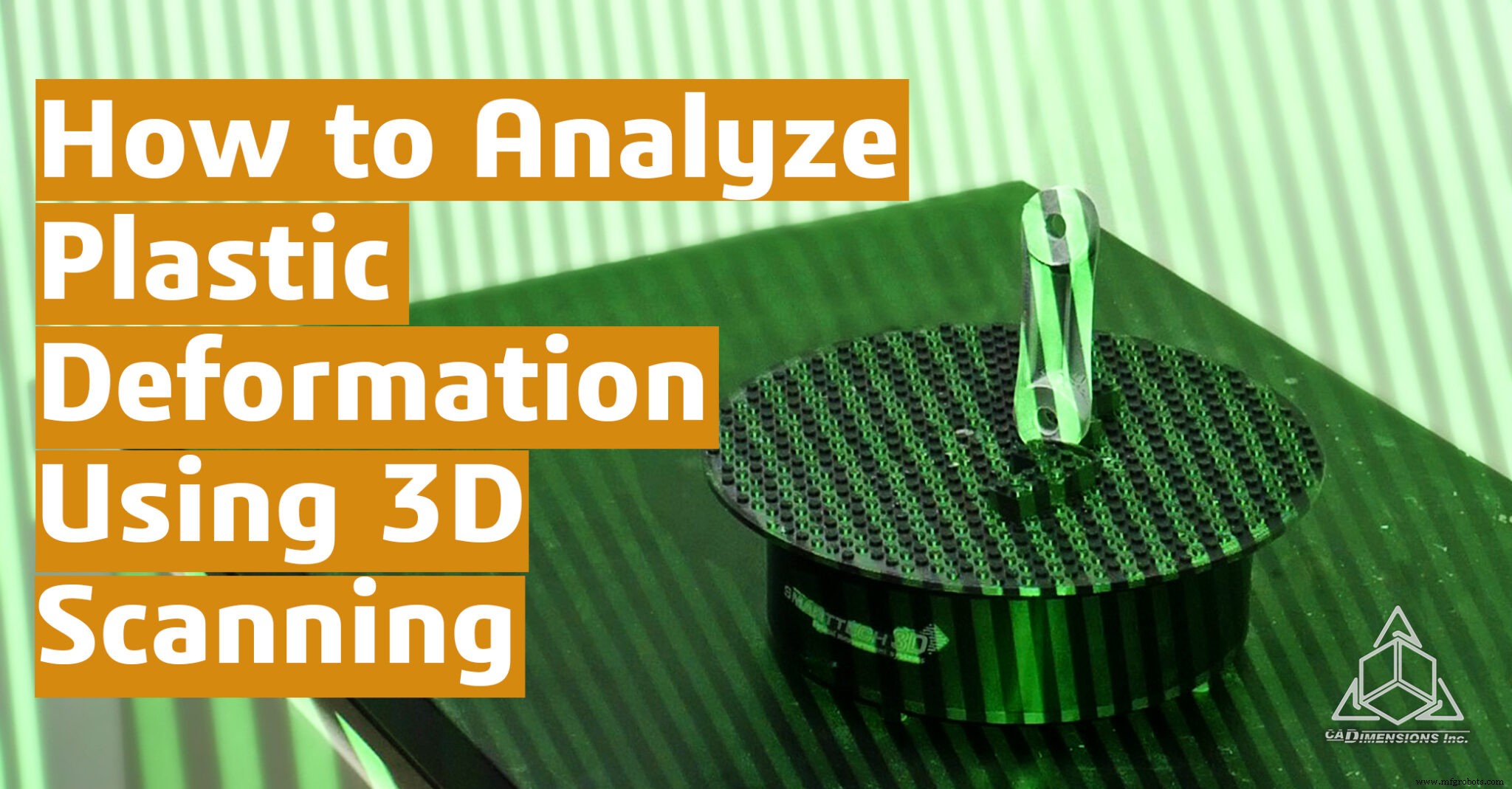
\n\nLeveraging our cutting‑edge Smarttech 3D Scanner, I designed and 3‑d printed three identical TPU (thermoplastic polyurethane) specimens. TPU was chosen for its high elongation at break and excellent flexibility, ensuring clear, measurable deformation. The parts featured non‑uniform geometries so that stretching would produce a complex, non‑linear shape change.
\n\nEach specimen was mounted in a DIY tensile rig and stretched to distinct load levels. Force was recorded with a calibrated crane scale, while deformation was immediately visible. We then scanned each part with the Smarttech 3D Scanner to capture detailed 3‑D geometry before and after loading. The full experimental workflow is documented in our accompanying video.
\n\nThis experiment demonstrates that 3‑D scanning delivers rapid, high‑resolution measurements of plastic deformation—an application beyond conventional inspection and reverse engineering. Industries such as automotive, aerospace, and high‑cycle manufacturing can leverage this capability to test components that undergo significant use over time.
\n\nCan you imagine how 3‑D scanning could transform your product testing and development processes?
\n\n\n\n
Learn More About 3‑D Scanning
\n\nSchedule a demonstration or discover how 3‑D scanning can streamline your workflow.
\n\nContact Us
3D printing
- Cushioning Laminates: Production, Materials, and Future Trends
- How to Weld and Glue 3D‑Printed Plastic Parts for Strong, Precise Assemblies
- Understanding Creep in Plastics: Causes, Types, and Practical Implications
- 12 Key Plastic Fabrication Techniques & Their Applications
- Polypropylene: Key Features, Uses, and Production
- PLA (Polylactic Acid): Biodegradable, Compostable, and Cost‑Effective Sustainable Plastic
- 3D Printing Transparent Plastics: Achieve Crystal‑Clear Parts
- Cut Costs & Improve Design: Convert Metal Parts to Plastic with Additive Manufacturing
- Ultrasonic Welding of Plastics: Process, Benefits, and Applications
- Using a DC Motor as a Pump: Practical Tips & Requirements