



Celebrating Five Years of Innovation: Our Journey & Customer Success Stories
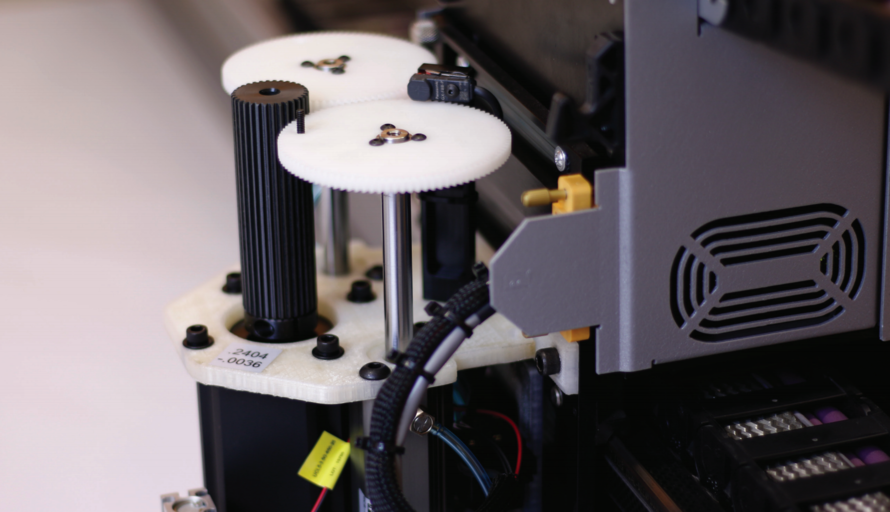
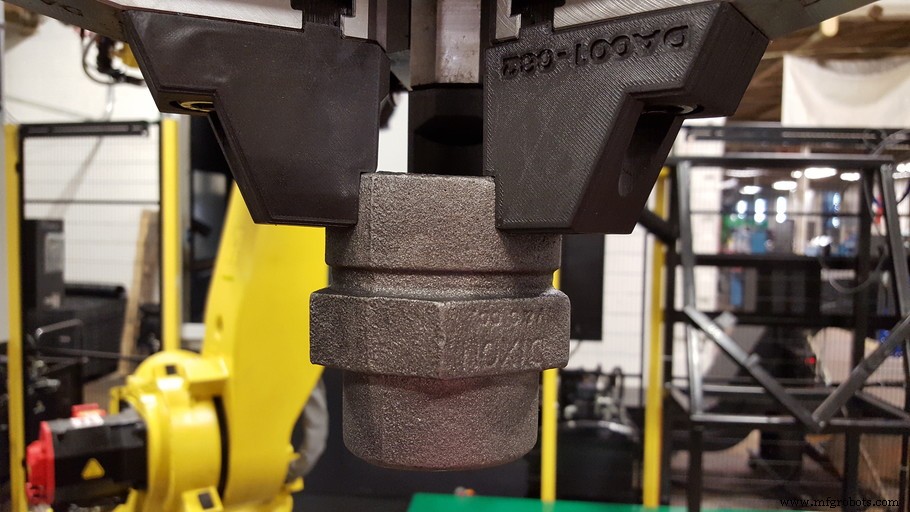
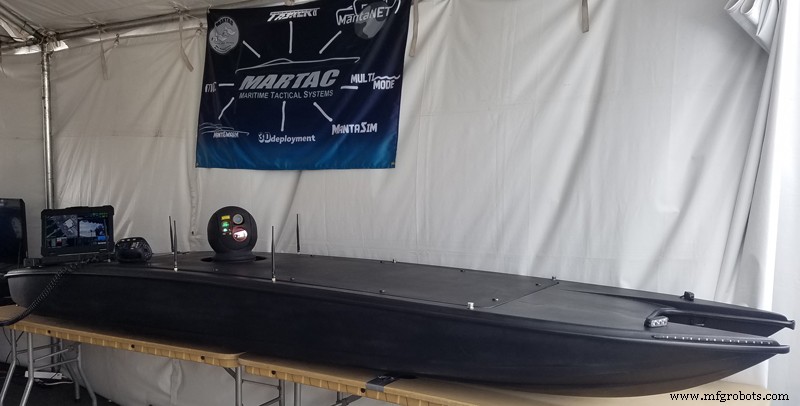
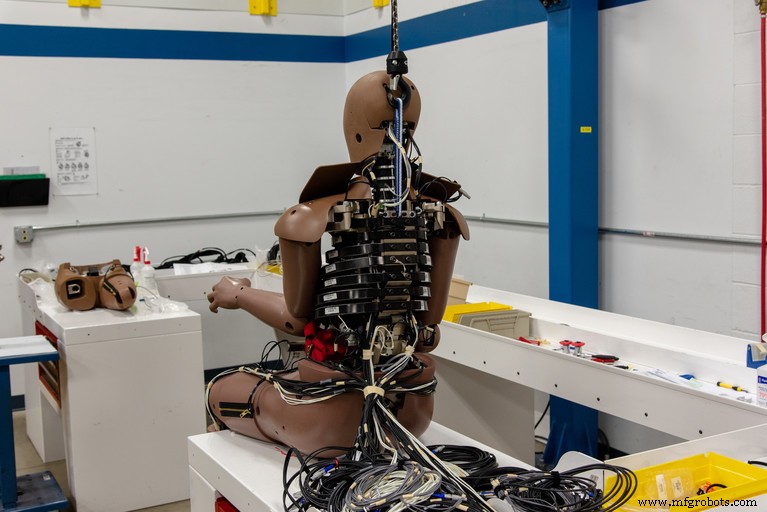
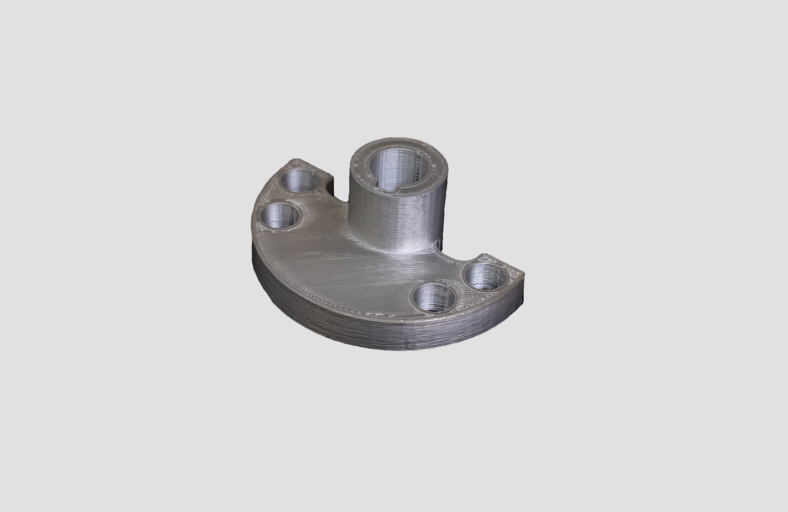
Last month we marked five years since a handful of innovators in a garage introduced the world’s first continuous carbon‑fiber 3D printer. We’re grateful to our customers for trusting us and helping shape this journey. Here’s how it all began, the early adopters who believed in us, and the impact our customers have had on our relentless pursuit of innovation. In January 2014, we debuted the world’s first 3D printer capable of continuous carbon‑fiber printing at SolidWorks World: the Mark One. Autometrix saw the promise and was among the first to acquire a Markforged printer. Autometrix supplies cutting equipment and patterning software across industries—from transportation to medical devices. Their engineers needed in‑house prototyping that accurately reflected final designs. After printing a fiber‑reinforced cutter head that performed as intended, the team embraced the Mark One. Autometrix went on to print an entire cutting head with the Mark One. The result was a part that weighed half a pound less than its aluminum counterpart while matching, and in some tests exceeding, the metal’s impact resistance. This breakthrough enabled faster, lighter, and more robust mechanical systems. We launched the Mark Two in February 2016—an entirely redesigned composite printing system that delivered higher strength and superior quality. Dixon Valve, a fittings and valves manufacturer, saw a clear opportunity to replace custom tooling with additive solutions. Dixon Valve sought high‑strength, chemically resistant gripper jaws for industrial robotic arms. Engineers Max de Arriz and J.R. Everett needed jaws that could safely transfer parts between vertical turning centers. The Mark Two met these demands, enabling a complete re‑tooling of a robotic arm in under 24 hours. “With the Mark Two, we re‑toolled a robotic arm in less than a day,” Everett says. “It’s reshaping our design process and accelerating production.” In 2016 we introduced Onyx, a high‑thermal‑stability, reinforced thermoplastic designed for manufacturing environments. Its exceptional precision and resistance to warping attracted MARTAC immediately. MARTAC (Maritime Tactical Systems) builds unmanned aquatic vessels. They needed complex intakes to channel seawater through cooling systems. Printing these intakes in Onyx eliminated subtractive machining constraints and lowered fabrication costs. Ian Weaver, Operations Coordinator at MARTAC, notes, “Onyx parts don’t corrode in saltwater and remain resilient against debris. Printing these intakes has cut our costs dramatically.” The X7—our first industrial‑format 3D printer—offers nearly three times the build volume of the Mark One and an advanced self‑monitoring sensor suite. Humanetics, the world’s leading crash‑test dummy supplier, turned to the X7 to speed up and extend the life of its molds. Design Engineer Kris Sullenberger found that X7‑printed molds yield near‑perfect parts, free of the seams and imperfections common with silicone molds. Since printing five to ten molds, Humanetics plans to replace 150 existing molds with Markforged prints, saving thousands of dollars in machining costs while improving part quality. The Metal X expands our portfolio into metal 3D printing, enabling stainless‑steel parts that were previously cost‑prohibitive. Stanley Infrastructure, a division of Stanley Black & Decker, used Metal X to redesign a railroad frog grinder’s guide‑wheel assembly. By moving from a single, waste‑heavy steel block to a three‑part, 3D‑printed assembly, Stanley Infrastructure reduced material waste by ~90% and passed rigorous durability tests. An Innovation Engineer at Stanley notes, “Metal X allows us to additively manufacture complex parts with minimal capital and time investment.” From Fortune 100 firms to family‑owned manufacturers, thousands of businesses trust Markforged technology to enhance their products and processes. We remain committed to continuous improvement and to delivering solutions that meet our customers’ evolving needs. Here’s to many more years of innovation—thanks to our customers for making it possible! Want to test the strength of our printers? Request a free Markforged sample part here. Want to see more posts like this? Follow us on Facebook, Twitter, Instagram, and LinkedIn for updates!The Mark One
The Mark Two
Onyx: The Next‑Gen Composite
Going Industrial with the X7
Metal X: Stainless Steel Printing
What’s Next
3D printing
- Revolutionizing Healthcare: How 3D Printing Transforms Medicine
- PA11 vs. PA12: Choosing the Right SLS Material for Your 3D Print
- Celebrating a Decade of Formlabs: 10 Years of 3D Printing Innovation
- Icon Explore: Christian Bagg’s Off‑Road Wheelchair Powered by Markforged’s Mark Two
- Mark Two Unveiled at SolidWorks World 2016 – Faster, Stronger, Smarter 3D Printing
- Five Essential Commandments for Flawless 3D Printing on the Markforged Mark One
- Google Revives Glass with New Enterprise Edition After Two-Year Hiatus
- Amazon & Whole Foods: Two Years Later – What the Acquisition Reveals About Amazon's Strategy
- Year‑by‑Year Evolution of ProtoPumpkins: Custom CNC Halloween Celebrations
- The Evolution of Compressed Air Systems Over the Past Two Decades