



The Science Behind Leavening Agents: How They Make Dough Rise
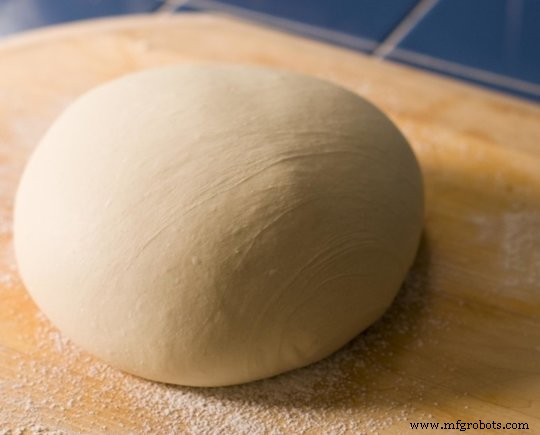
Have you ever noticed soft, fluffy, porous and foam nature of doughs? Even we might have observed in the batters [Batter is nothing but a liquid mixture of one or more flours made with ground grains or soaked grains that are ground].
But did you know the reasons or the agents behind this dough texture?
The key ingredient which is responsible for this nature of dough/batter is a leavening agent. Sometimes this leavening agent is also termed as raising agent.
Leavening procedure
Leavening of baked food products is usually achieved by vigorous mixing, and then it leads to incorporation of air bubbles, which results from foam formation. The well-suited agent for this process is Egg white because it produces voluminous and strong foams that retain their expanded structure when dried by the baking process. One of the other agents which can produce foam is Gluten, the elastic protein of flour.
Leavening of baked foods can be achieved by
Biological agents
Chemical leavening agents
Biological Agents
Leavening may be achieved by the biological process called fermentation, which releases carbon dioxide gas.In the fermentation process on of the major ingredient that is used to ferment the product is Baker’s yeast. Bakers’ yeast, composed of living cells of the yeast strain Saccharomyces cerevisiae. When added to doughs, yeast initiates fermentation by acting upon certain sugars contributed by other dough ingredients, releasing both carbon dioxide and substances that affect the flavour and aroma of the baked product.
Chemical Leavening Agents
Chemical leavening agents also produce expansion by the release of carbon dioxide.Single-acting baking powders, containing tartaric acid or cream of tartar, release carbon dioxide at room temperature, and mixtures in which they are used must be baked immediately to avoid loss of most of the gas.
Slow-acting baking powders, containing phosphates, release part of their gas at room temperature and the part when heated. Double-acting baking powder, the most widely used type, contains sodium aluminium sulphate and calcium acid phosphate and releases a small amount of gas when mixed and the balance when heated.
Leavening Agents Function:
Chemical leavening is an acid + base reaction which results in water, carbon dioxide gas. An example reaction is shown as:
NaHCO3 + H+ = Na+ + CO2 + H2O
In cakes, cookies, quick bread, biscuits Chemical leavening is used to aerate the dough or batter rendering it light and porous. The bubbles created by the leavening expand during baking creating the baked product’s crumb structure. Chemical leavening will affect a cake’s pH, which also influences the cake’s crumb colour. For example, lowering a cake’s pH will result in a whiter crumb colour for a white layer cake.
© WOC Article
To contact the author mail: articles@worldofchemicals.com
Industrial Technology
- The Complete Guide to Fiberglass Production
- Expert Guide to Designing and Manufacturing Injection Molds
- Turn Manufacturing Day into a Year-Long Industry Celebration
- Ensuring Trustworthy Supply‑Chain Data: A Proven Strategy
- Step-by-Step Guide to Crafting Durable Silicone Molds at Home
- Build a Winning Prototype: Step‑by‑Step Guide for Rapid Product Development
- Build a Voltage Tripler Circuit: Step‑by‑Step Guide
- DIY Guide: Build Your Own DC Motor Controller
- Step-by-Step Guide to Building a Reliable Rectifier for Power Systems
- Master CNC Programming: A Beginner’s Guide to Fanuc Controls