



The Complete Guide to Fiberglass Production
Fiberglass is a versatile material prized for its strength, lightweight, and chemical resistance, making it essential in aerospace, automotive, construction, and marine sectors.
1 Batching
Fiberglass production begins with precise batching, where natural minerals and engineered chemicals are weighed and blended. Key constituents include silica sand, limestone, soda ash, and optional additives such as calcined alumina, borax, feldspar, nepheline syenite, magnesite, and kaolin clay.
2 Melting
Once the batch is prepared, it is fed into a high‑temperature furnace. The glass melt is maintained at approximately 1370 °C (2500 °F) to ensure optimal viscosity for subsequent extrusion.
3 Fiberization
Fiberization combines extrusion through a platinum‑rhodium alloy bushing with rapid attenuation. The molten glass exits the bushing—whose orifice count ranges from 200 to 8,000—through electronically heated plates, while high‑pressure water jets cool the filaments to roughly 1204 °C (2200 °F) as they are drawn.
4 Coating
In the final stage, a sizing agent is applied to each filament. This chemical coating protects fibers from abrasion and breakage during winding, weaving, or conversion into fabrics and composites.
5 Drying/Packaging
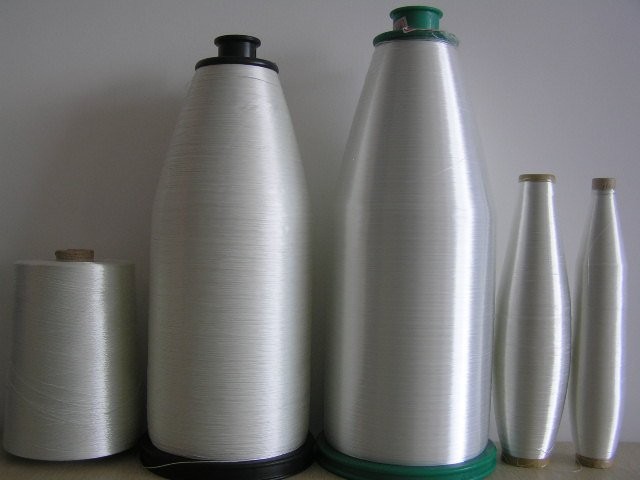
The sized filaments are gathered into strands containing 51 to 1,624 fibers and wound onto drums to form a forming package—essentially a thread spool. After a controlled drying cycle, the packages are palletized, shipped, or further processed into chopped strand mat, roving, or yarn.
Fiberglass can be fabricated into various products—fiberglass cloth, chopped strand mat, and other composite reinforcements—each tailored to specific industry needs.
fiber
- Mastering Fiberglass Cloth Weaving: A Complete Expert Guide
- Safe and Effective Fiberglass Splinter Removal Using Tape
- How to Make Fiberglass Reinforced Plastic Molds: A Step‑by‑Step Guide
- Step‑by‑Step Guide to Applying Fiberglass Cloth for Marine and Composite Projects
- Expert Guide to Designing and Manufacturing Injection Molds
- Why Waterparks Rely on FRP: Benefits, Applications, and Value
- Step-by-Step Guide to Crafting Durable Silicone Molds at Home
- Build a Winning Prototype: Step‑by‑Step Guide for Rapid Product Development
- DIY Guide: Build Your Own DC Motor Controller
- Master CNC Programming: A Beginner’s Guide to Fanuc Controls