



Mastering Fiberglass Cloth Weaving: A Complete Expert Guide
This guide offers a concise yet authoritative overview of how to weave fiberglass cloth. Weaving is a textile production technique that interlaces two distinct sets of yarns or threads at right angles to create a durable fiberglass fabric or cloth structure on a loom or weaving machine.
On the loom, the yarns running lengthwise along the fabric are called the warp, or ends. They are supplied to the weaving machine on a loom beam. The yarns that cross the warp are known as weft or filling. Modern looms employ a weft feeder for smooth, regular unwinding.
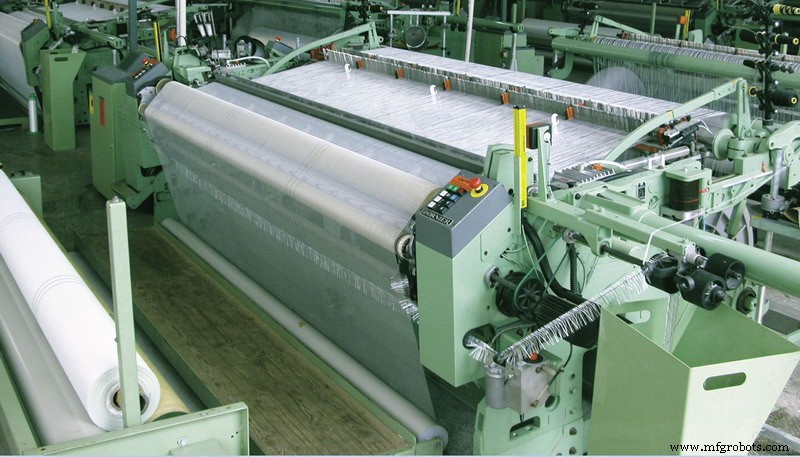
The interlacing of warp and filling threads is termed the weave. Almost any weave pattern can be achieved with glass fibers, from basic plain, basket, and twill patterns to unidirectional and Leno meshes. These patterns determine the cloth’s mechanical properties and application suitability.
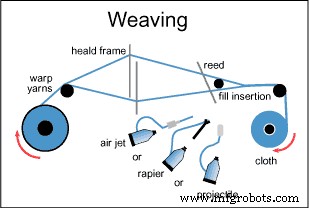
Fiberglass weaving comprises five essential mechanisms:
Mechanism 1: Let‑off motion distributes warp yarns evenly across the loom.
Mechanism 2: Warp shedding moves warp yarns up and down according to the chosen weave pattern.
Mechanism 3: A filling insertion system places the weft between the warp openings (shed) created by the shedding mechanism. Modern picking systems include:
- Air jet
- Rapier
- Projectiles
- Needle (for narrow fabrics)
Mechanism 4: The reed, driven by beat‑up motion, compacts the weft into the warp, forming the fabric’s structure.
Mechanism 5: Fabric take‑up controls filling density, winding the finished cloth onto a tube on the loom or onto a separate winding device.
By mastering these mechanisms, professionals can produce high‑quality fiberglass cloth tailored to aerospace, marine, and construction applications.
fiber
- What Is Fiberglass Cloth Made Of? – Composition, Weave Types, and Key Properties
- E‑Glass & C‑Glass Fiberglass Cloth: Types, Weaves, and High‑Performance PTFE Coated Applications
- Eliminate Hairiness on Glass Fiber Cloth: Proven Techniques & Equipment
- Premium Marine Fiberglass Cloth Supplier – Fast Delivery & Free Samples in Singapore
- Fiberglass Fabric: Properties, Uses, and Handling Tips
- The Complete Guide to Fiberglass Production
- Safe and Effective Fiberglass Splinter Removal Using Tape
- Step‑by‑Step Guide to Applying Fiberglass Cloth for Marine and Composite Projects
- Fiberglass Cloth vs. Mat: Understanding Construction, Uses, and Safety
- Why Waterparks Rely on FRP: Benefits, Applications, and Value