



Fiberglass Fabric: Properties, Uses, and Handling Tips
Fiberglass fabric (also called cloth) is woven from C and E glass fibers using five fundamental weave patterns: plain, leno, satin, twill, and basket. This strong, durable textile is widely employed in industrial settings.
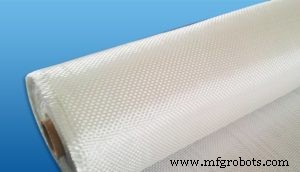
Its unique properties make it ideal for a variety of applications, including the interior layers of circuit boards, conveyor belts, vehicle components, and waterproof coatings for wood or other substrates—crucial in marine repairs and boat construction.
One of fiberglass cloth’s most remarkable attributes is its extreme‑heat tolerance. Certain grades can endure temperatures up to 1,648 °C for a full minute while effectively dissipating radiant heat. Additionally, its tensile strength surpasses that of steel wire of comparable diameter, yet it remains lightweight and cost‑effective.
The fabric also exhibits excellent dimensional stability, stretching only about 3 % under load. Like its glass fiber counterpart, it resists a wide range of industrial chemicals.
When specific performance is required—such as thermal insulation, fire resistance, or welding protection—fiberglass cloth can be finished with coatings tailored to those needs.
Proper handling is essential to preserve its integrity. Fiberglass cloth should be rolled onto a tube for shipment rather than folded; creases can compromise its structural strength.
fiber
- Fiberglass vs. Carbon Fiber: Key Differences and How to Choose the Right Composite
- What Is Fiberglass Cloth Made Of? – Composition, Weave Types, and Key Properties
- E‑Glass & C‑Glass Fiberglass Cloth: Types, Weaves, and High‑Performance PTFE Coated Applications
- Premium Marine Fiberglass Cloth Supplier – Fast Delivery & Free Samples in Singapore
- High‑Temperature Glass Fiber Cloth Tape: Superior Heat‑Resistant Protection for Electronics and Automotive Applications
- Why Fiberglass Cloth Revolutionized Surfboard Design
- Mastering Fiberglass Cloth Weaving: A Complete Expert Guide
- Step‑by‑Step Guide to Applying Fiberglass Cloth for Marine and Composite Projects
- Fiberglass Cloth vs. Mat: Understanding Construction, Uses, and Safety
- FRP vs Fiberglass: Understanding the Key Differences and Industrial Benefits