



Mastering Industrial Pneumatic Systems & Components – Trimantec
Industrial pneumatic systems and their components might sound like complex concepts to understand. Yet, their function and components are simple to grasp once you breakdown each device type. Many industries favor pneumatic equipment and integrate it into their machines because it is an easy way to keep maintenance costs low and keep their machines running longer.
Our guide will explain how industrial pneumatic systems function, highlight their benefits and limitations, and help you understand the primary components. So, whether you’re looking to replace a faulty valve or design an industrial automation system from scratch, this guide is a perfect starting point.
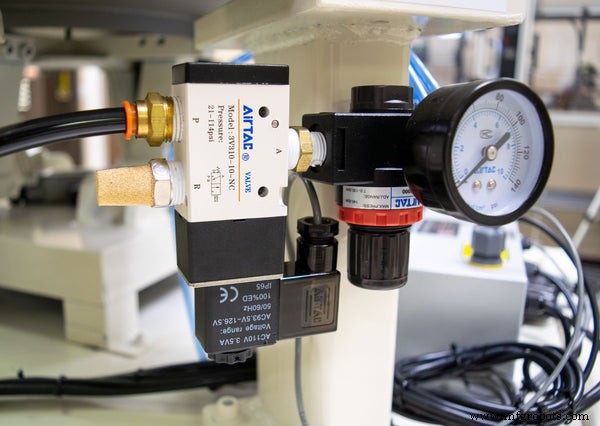
Table of Contents:
How Do Industrial Pneumatic Systems Work?
Advantages of Pneumatic Systems
Limitations of Pneumatic Systems
Pneumatic System Maintenance
Thread Types for Pneumatic Components
Pneumatic Components in Industrial Automation
Pneumatic Cylinders and Actuators
Pneumatic Control Valves
Air Preparation Components
Pneumatic Logic Systems
Pneumatic Accessories
How Do Industrial Pneumatic Systems Work?
If you have ever used a bicycle pump then you have seen the basic application of pneumatics. Many companies today incorporate industrial pneumatics into their machines. They have become so popular that you can find them in everyday items such as nail guns and vacuum cleaners.
A pneumatic system is a machine that uses pressurized air to control movements such as holding, moving, and forming materials together. Pneumatic equipment relies primarily on large amounts of compressed air to perform. It is important for many machines to carry and maintain constant air production.
In general, most pneumatic systems are composed of:
- Compressor
- Receiver
- Valves
- Actuators
Compressor
An air compressor is a pneumatic tool that converts the air we breathe into compressed air. The pressurized air is then used throughout the pneumatic system. Usually, the air compressor is fueled by a gas tank that forces air into the system to produce pressurized air. There are many types of air compressors available to meet your desired pressure and flow rate of the air. The different types of air compressors available are piston, rotary, centrifugal, and axial flow.
Receiver
Air receivers are what their name indicates. It receives air from the compressor and stores it in a bigger tank called the air receiver. The air receiver can smooth the flow of air and keep it cool as it enters the tank. A large tank is able to dissipate heat much more quickly than a smaller tank. To compensate for the loss of air, the air receiver stores the compressed air under higher pressure. This ensures the delivery of the required energy needed.
Air Valves
Air valves are an important pneumatic component because they stop and 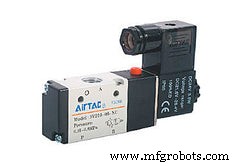 change the direction of air. They control the direction of airflow in order to move the actuator. Pneumatic systems may carry one or many valves. These can be manual like a foot valve or they can be electrical like a solenoid valve.
Pneumatic Actuators
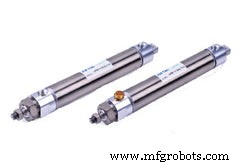 Actuators are simply the "movers” or the required movement of the pneumatic system. These output devices can be in the form of air cylinders or even robotic arms that move and lift materials or drill bits. Most actuators move in a straight linear path.
Air Preparation
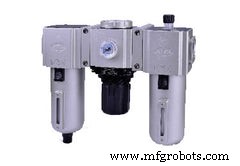 In order to maximize the performance of your industrial pneumatic system, air preparation is necessary. Maintaining clean and dry air throughout your entire pneumatic system will extend its service life. Industrial applications such as clamping, positioning and lifting require constant high-quality air running throughout the system. Proper air preparation includes components such as filters, regulators, and sometimes lubricators.
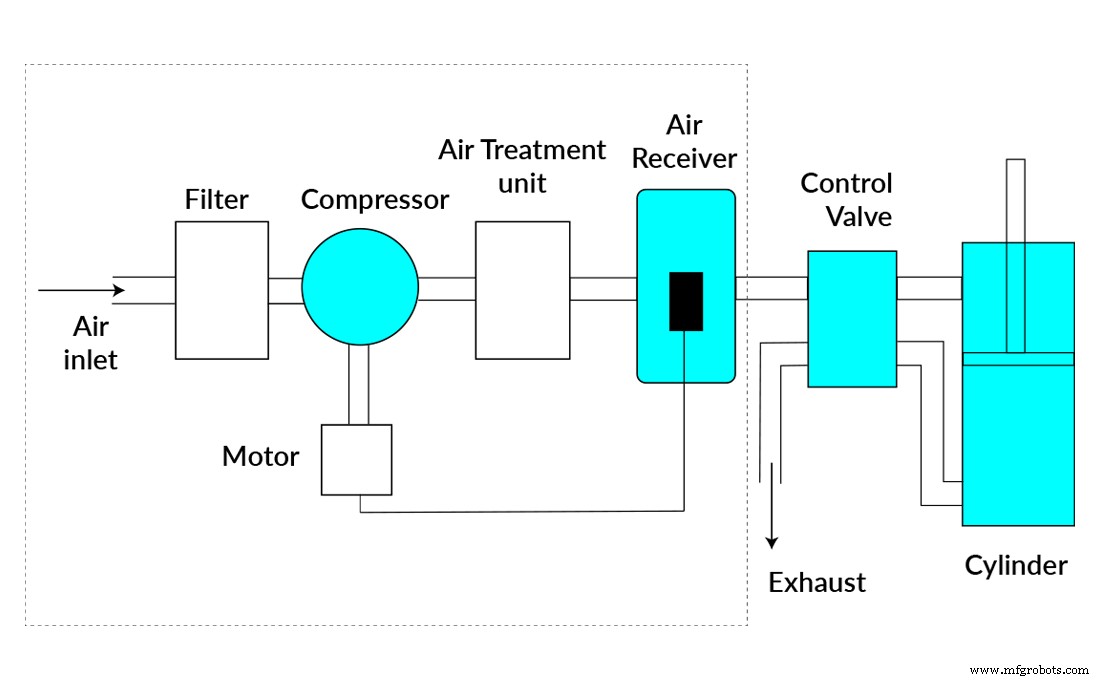 Diagram of an industrial pneumatic system
Go to top
Advantages of Pneumatic Systems
As mentioned before, using industrial pneumatics is an easy way to keep maintenance costs low and keep your machines running longer. However, these are just a few benefits of pneumatic equipment.
Using pneumatic components gives you the following advantages:
- Simplicity of design and control – Machines are easily designed using standard cylinders and other components and operate via simple on-off control.
- Reliability – Because gas is compressible, pneumatic equipment is less prone to shock damage. Gas absorbs excessive force, whereas fluid in hydraulics directly transfers force. Compressed gas can be stored, so machines still run for a while if electrical power is lost.
- Safety – There is a very low chance of fire compared to hydraulic oil. In addition, newer machines are usually overload safe.
Go to top
Limitations of Pneumatic Systems
While industrial pneumatic systems offer many advantages over hydraulic systems, they do have a few limitations.
- Prone to leakage: This is where routine preventive maintenance checks can save you many headaches. If you keep a regular maintenance schedule, you’ll catch leaks before they become substantial problems.
- Maintenance and repairs: Industrial pneumatics often store pressure in their pipes for long periods of time and can make repairs a little trickier. The system must be depressurized correctly before starting any repairs.
- Sensitivity: Your pneumatic equipment will need a space where it can operate undisturbed. Pneumatic systems are sensitive to temperature and vibration changes.
Go to top
Pneumatic System Maintenance
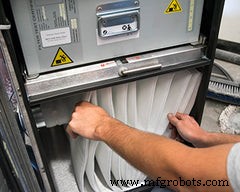 Preventive maintenance for pneumatic systems is important to getting the best performance out of your equipment. Regularly checking the state of pneumatic equipment helps you catch wear and tear before it becomes a problem.
One common maintenance issue with industrial pneumatics is air leakage. Detecting this early can save your system from overload, wasted compressed air, increased operating costs, and even loss of quality production. Sometimes leakage is detectable by simply listening for air loss within the pneumatic system. Alternatively, you can use a water and soap solution, spray it on the system, and look for air bubbles. Fixing air leakage can be as easy as tightening fittings. In major instances, replacing a broken part may be necessary.
Interested in learning more about preventive maintenance for your pneumatic equipment? Our Preventive Maintenance blog is a great resource.
Go to top
Thread Types for Pneumatic Components
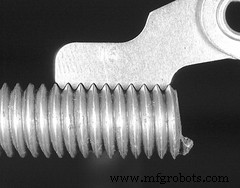 Before diving into the various types of pneumatic equipment, we’d first like to mention thread types. Components such as air valves and air cylinders will often have threaded ports. With many brands you have three options: NPT, PT, or G (BSPP) thread type. If your equipment is originally from China, 9 times out of 10 you’ll need PT threads. If it was manufactured in North America, then you’re safe to go with NPT threads. You may need to reference the user manual to find this information or contact the original equipment manufacturer.
Other alternative options include using different fittings or thread seal tape. To learn how to accurately identify any thread type, check out our Thread Identification Guide.
Go to top
Pneumatic Components in Industrial Automation
Pneumatic systems offer a multitude of benefits for the end users, technicians, and engineers. Therefore, we advocate integrating industrial pneumatic systems into automation solutions. Take a look at a custom automation build with pneumatic components in action.
Go to top
Pneumatic Cylinders and Actuators
Pneumatic cylinders and actuators move a load using pressurized air stored within a piston or diaphragm. Depending on the direction of the load, you’ll either need an air cylinder or rotary actuator.
Air Cylinders
Air cylinders move a load in a straight line using a piston rod. Compressed air either pushes or pulls the piston rod in and out of the cylinder barrel. Two key parameters for air cylinders include stroke and bore size. Stroke refers the distance the cylinder piston or rod extends when it is actuated. Bore refers to the diameter of the pneumatic cylinder. The larger the bore size, the more pressure or force the cylinder can exert.
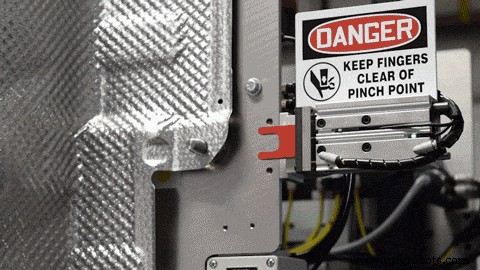 Example of guided cylinder in action
Types of air cylinders:
- Single acting air cylinders use one compressed air port to either push or pull the rod in a single direction. The rod then returns via spring action.
- Double acting air cylinders use compressed air ports on both ends of the cylinder to extend and retract the rod.
There are a few options when shopping for air cylinders that allow you to further customize it for your application. For example, cushions allow for quieter piston operation. Also, many of the cylinder models on our site have various mounting options available.
Rotary Actuators
Rotary actuators rotate objects around an axis. They use compressed air that produces continuous torque.
Many rotary actuators have a double rack-and-pinion design. Air enters through a port that pushes the piston linearly, which causes the connected rack’s gear teeth to engage with the teeth of the circular pinion and rotate the pinion shaft up to 360 degrees.
Rotary actuators also come with cushioning which allows for quieter operation.
Go to top
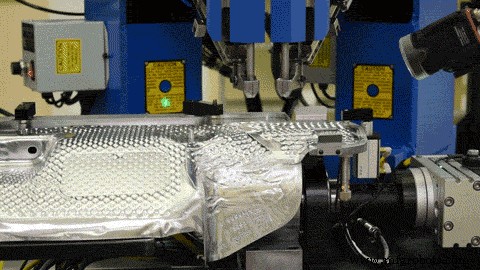
The rotary actuator on the right allows for the machine’s platform to rotate.
Pneumatic Control Valves
Pneumatic valves, also known as air valves, help stop and start the flow of air in industrial pneumatics. These can be manual like a foot valve or they can be electrical like a solenoid valve.
Pneumatic Solenoid Valves
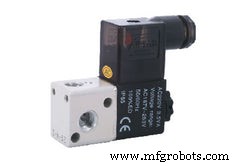 These electric directional control valves stop, start or change the direction of air flow by applying electricity to the solenoid. To learn more about the different types of solenoid valves head on over to our Solenoid Valves 101 blog post.
Types of solenoid valves:
- Direct acting valves “directly” use the power supply from the electromagnet to open and close the valve.
- Pilot operated valves use the electromagnetic power combined with the pressure of the flowing air/liquid/gas to open and close the valve.
Fluid Control Valves
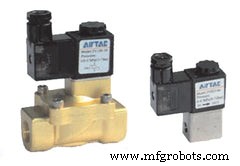 Fluid control valves control the critical flow of fluids, including air, gas, water, oil, steam and other liquids. Applying electricity to the solenoid quickly stops, starts or changes the direction of the flow of the fluid.
Manual Valves and Mechanical Valves
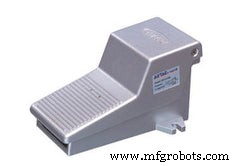 Manual and mechanical valves start, stop or change the direction of air flow via manual or mechanical actuation. An example would be a manual foot valve that it actuated by pressing a pedal.
Non-Return Valves and Flow Control Valves
Examples of special purpose valves include non-return valves and flow control valves. Non-return valves, also known as check valves, only allow fluid to flow in one direction. A flow control valve regulates the flow or pressure of a fluid.
Go to top
Air Preparation Components
Air prep products will help keep your industrial pneumatics' air clean and dry. Using a combination of air filters, regulators and lubricators will assist in the longevity of your system.
Pneumatic Air Filters
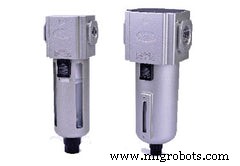 Pneumatic air filters receive the first supply of air and reduce contaminants and moisture found in the compressed air tank. Different sizes are available depending on your machine’s needs. You can filter contaminants as small as 0.3 microns. Air filters should be replaced every 4-6 months and require preventive care.
Air Pressure Regulators
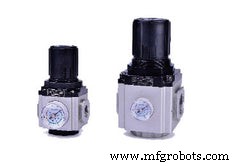 Air pressure regulators will control downstream pressure after the air is clean and dry from the pneumatic air filters. Air regulators should only be used to regulate downstream pressure.
Air Lubricators
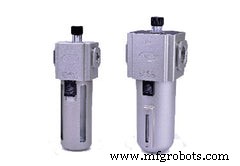 Pneumatic lubricators add a small amount of oil to the compressed air stream to reduce friction. Lubricators are important addition to your pneumatic system to keep your machine operating efficiently. Lubricators are available in different port sizes and thread types.
Filter Regulator Lubricator Combination Units
Air preparation systems such as FRL combination units are also available to include filters, regulators and lubricators all in one system. This 3-piece unit will ensure accurate pressure regulation, reduce moisture, and induce the appropriate oil amount for proper air preparation. Combination units such as these help reduce cost and save space.
Go to top
Pneumatic Logic Systems
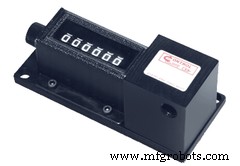 Pneumatic logic systems are also referred to as air logic controls. These systems are used for controlling industrial processes and acquiring machine data.
Air logic can perform almost any function normally handled by relays, pressure or vacuum switches, time delays, counters, and limit switches. While the design is similar, compressed air is the control medium instead of electrical current.
One of the most common uses is pneumatic counting. A pneumatic counter can provide valuable equipment data. Some mechanical or electrical devices may be impractical or inconvenient, depending on the application.
For example, Control Line’s AC-6 Pneumatic Counter can provide event recording, piece or part counting, or complete cycle counting. The data can be monitored and used for production purposes or in implementing a preventive maintenance plan. For more guidance on using a pneumatic logic system, our Air Logic blog gives more in-depth information.
Go to top
Pneumatic Accessories
Pneumatic accessories help you customize and adapt pneumatic equipment to your system requirements. Below are a few common accessories and how you might incorporate them with your pneumatic parts.
Pneumatic Silencers
Exhaust silencers reduce the noise levels of pneumatic equipment while in operation. This improves user comfort and protects the system from intruding contaminants.
Air Cylinder Position Sensors
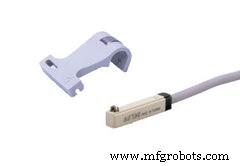 Position sensors are commonly used with air cylinders. They detect the movement of an object and convert it into signals suitable for processing, transmission, or control.
Air Pressure Gauges
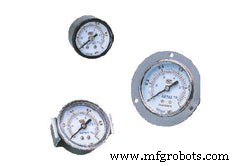 In pneumatic systems, pressure is measured in many locations throughout the system. Pneumatic pressure gauges provide pressure readings for use in industrial and commercial applications.
Drip Leg Drains
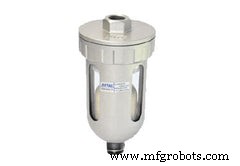 Drip legs, also known as condensate drains, catch condensate and moisture in compressed air systems.
Air Valve Manifolds
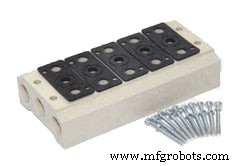 Air manifolds allow for a convenient junction point for the distribution of fluids or gases. They’re used to provide pneumatic power to two or more locations to supply multiple tools.
Solenoid Coils
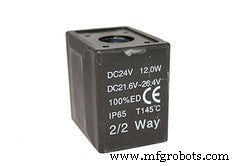 Use spare coils to exchange a damaged coil or to convert the voltage level of a previously purchased solenoid valve.
Distribution Blocks
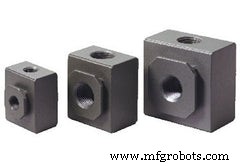 Pneumatic distribution blocks provide convenient port locations for air preparation parts, transducers, and other components.
Go to top
We hope this Pneumatic Components Guide helped clear up any confusion between the different types of pneumatics. Cylinders and valves can be especially confusing with all the varying terminology. If you need assistance finding a suitable pneumatic part for your equipment, contact us today at (336) 767-1379. Or, email our sales representative at info@trimantec.com.

Industrial Technology
- Industrial Maintenance: Strategies, Careers, and Best Practices for Asset Reliability
- Industrial IoT Air Quality Monitoring: Boosting Productivity & Cutting Costs
- Industrial Wheels 101: Choosing the Right Track System for Your Facility
- Revolutionizing Compressed Air Systems with Industrial IoT Solutions
- Top Industrial Uses of Compressed Air Systems
- Essential Components of Compressed Air Systems
- Essential Guide to Wind Turbine Components: Mastering Modern Energy
- Choosing the Right Industrial Brakes for High-Heat, High-Pressure Equipment
- Expert Guide to Maintaining Industrial Air Compressors
- The Complete Industrial Generator Rental Guide: Power Solutions for Business and Events