



Harnessing Machine Learning for Industrial Innovation
The ‘machine learning’ is a part of artificial intelligence and consists in that machines learn from real data without being directly programmed for it. In this post we will see how to use the advantage that these algorithms can bring to the industry.
Machine learning
Machine learning is a branch of artificial intelligence (AI) that allows machines to learn through algorithms. These algorithms learn from real data with which a model is generated. This model allows predicting what class or what type is a new data.
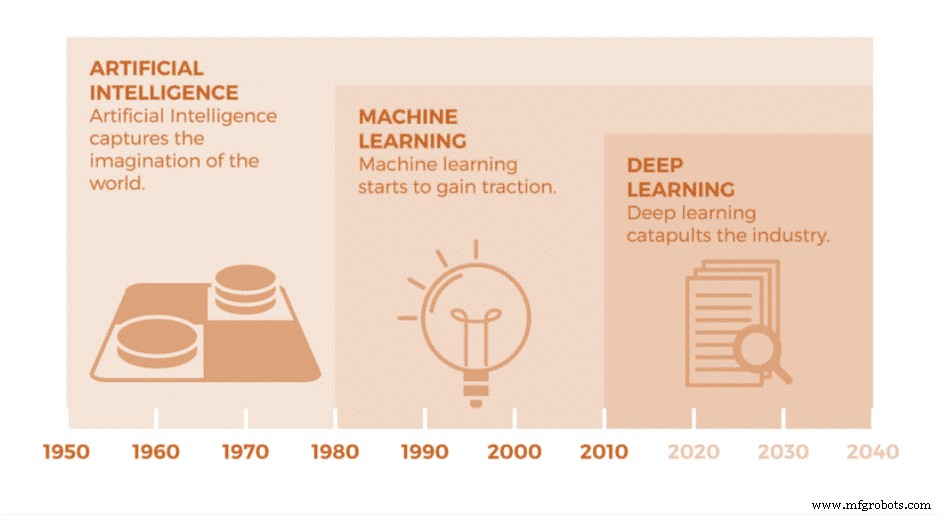
Within machine learning we find two types: supervised learning and unsupervised learning.
In supervised learning the data must be correctly labeled with the class to which it belongs, it is necessary to have a dataset with labels.
In the case of unsupervised learning, the data is entered into the model without any type of reference regarding the class to which they belong, and it is the same algorithm that classifies these data based on their characteristics.
This type of machine learning algorithms allow to detect patterns and classify new data from the trained models. For example, they can be used to detect faults or make decisions without the need for human intervention, which opens up many possibilities to automate processes that were not possible until the appearance of this type of algorithm.
These are some of the necessary phases to identify and carry out a project based on machine learning:
- Data acquisition: images, numerical data, existing databases, etc. Large amounts of data are required.
- Creation of the dataset from the data obtained. For the creation of the dataset it is necessary to carry out the labeling of all the data (supervised learning). Usually this task is done manually and is quite tedious.
- Model training. The model is trained with part of the data from the dataset.
- Evaluation of the model. To obtain the behavior of the model, it is evaluated with new data that have not been used during training.
Machine Learning vs Deep Learning
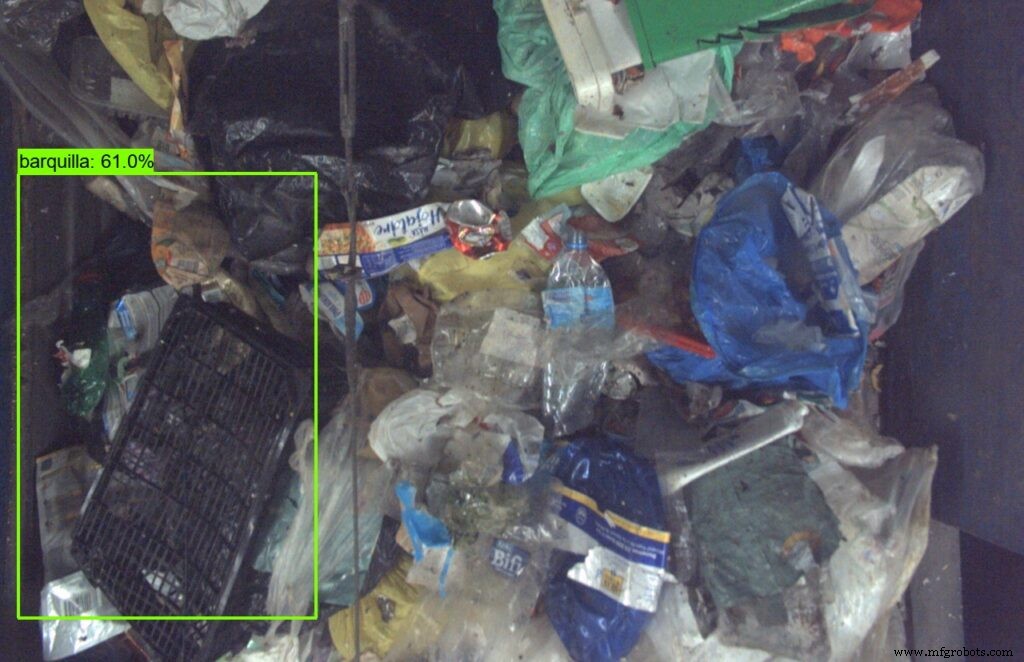
A few years ago a branch of machine learning emerged that is known as deep learning or Deep learning. Machine learning algorithms are based on regression equations and decision trees, among others. However, Deep learning algorithms use what are known as neural networks that in a way try to mimic the functioning of neurons in living organisms. They are a set of neurons connected to each other and that perform mathematical operations to extract parameters and characteristics, to finally obtain a classification result.
Deep learning in computer vision
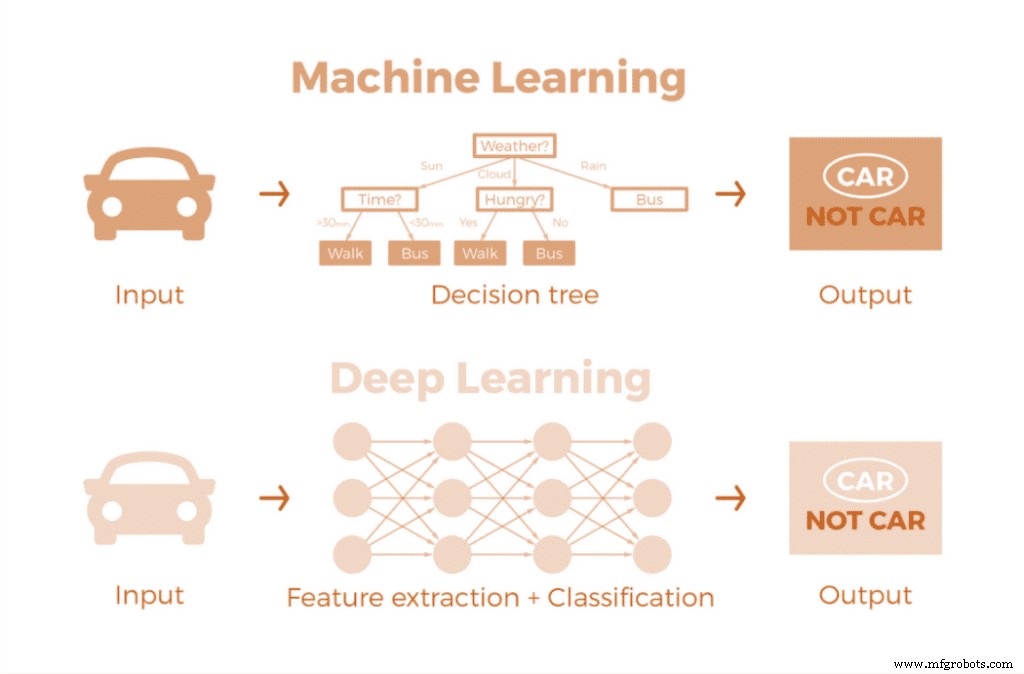
Computervision combined with Deep learning allows solving more complex problems than traditional vision, using more robust algorithms based on the learning methods provided by Deep learning. With the advancement of this technology, problems can be addressed and solutions designed that until now were not feasible.
These types of applications are designed for complex and changing environments in which characteristics cannot be extracted with traditional algorithms. They are used in character recognition applications, inspection of surface defects, security applications among others.
Mainly, deep learning allows you to expand solutions that are limited to traditional vision applications.
Possible applications of Machine learning in the industry
Applications based on machine learning algorithms can be used in different sectors and to solve very different problems.

- Quality systems: machine learning algorithms create models that allow, for example, to detect defects in parts. Surface type defects in manufacturing, painting, etc. They also allow quality checks in an assembly process, presence or absence of parts, inspect welds, etc.
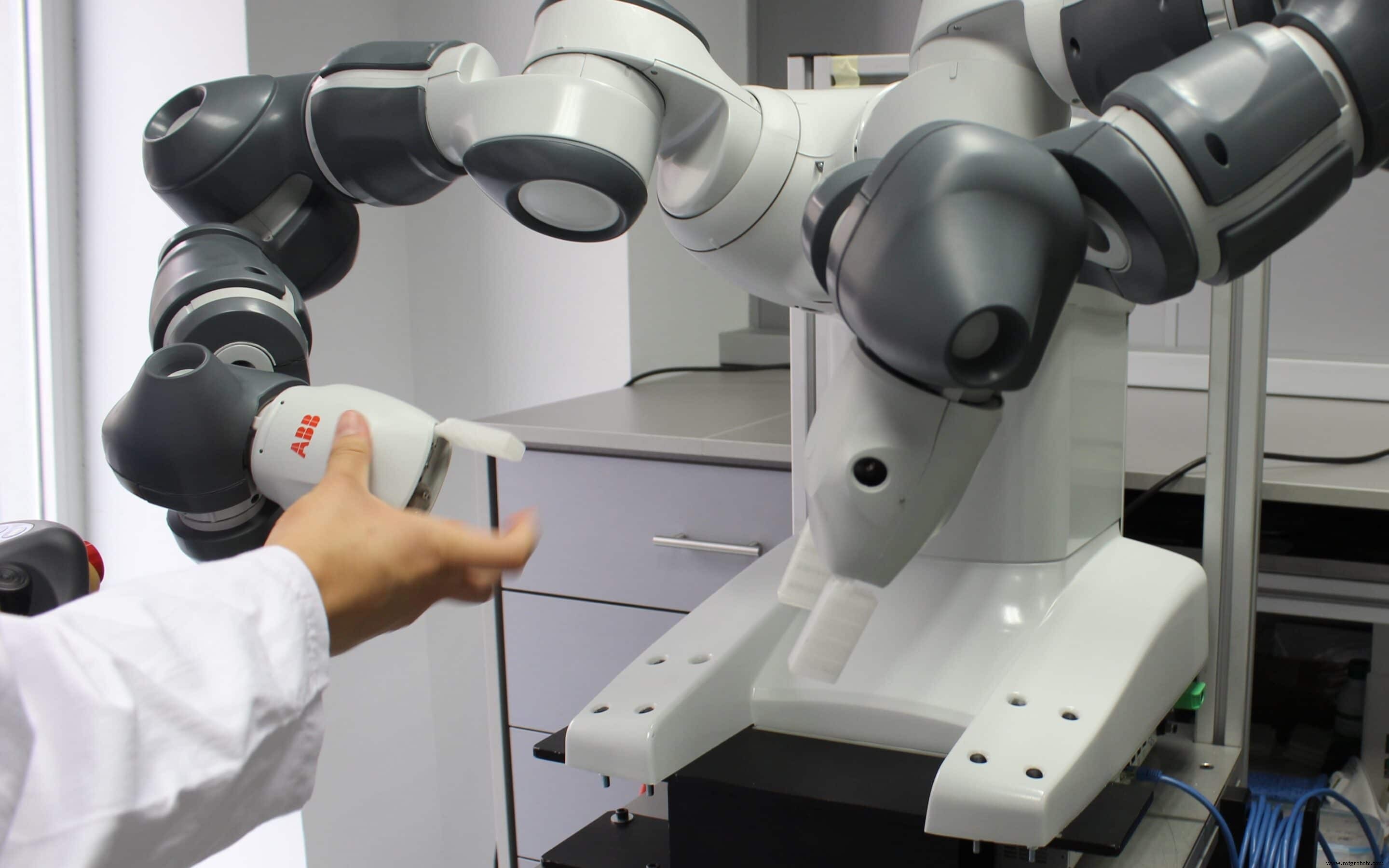
- Production: in production, vision systems and robotics are combined with machine learning algorithms to improve processes and increase productivity. It is possible to automate tasks with variability that a traditional robot could not carry out by itself: recognizing and locating types of parts, processes and variable paths, etc. This allows in many cases to reduce costs and increase the competitiveness of companies.

- Machine maintenance and predictive maintenance: by analyzing data (of any type) obtained from the different machines, models can be generated that are capable of predicting when a failure will occur. This serves to improve processes and prevent failures before machines break down. Avoid downtime in production and reduce preventive maintenance times.
The ability of these machine learning algorithms to process a large number of data allows the processes to be monitored and all their parameters controlled, which avoids errors and failures and therefore increases the final quality of the product.
Benefits of Machine learning in the industry
As you have seen, the use of machine learning algorithms has many benefits. Systems that are based on this type of algorithm are more versatile and are capable of working in changing environments and adapting to them. You can perform tasks and solve problems related to computer vision, robotics and data analysis, among many others, which, until the appearance of these algorithms, was unthinkable. All this makes machine learning applications a great ally of Industry 4.0 when it comes to automating processes.
Some of the clear benefits that can be obtained from using these systems are:
- Reduction rate of failure. They allow the detection of failures and their reduction, which has a direct impact on the quality of the process and its improvement. The mistakes that are made help improve the process.
- Stock prediction. These systems also make it possible to prevent errors and failures. Models created from data are capable of predicting when an error will occur, which allows preventive actions to be taken so that it does not occur.
- Process automation. With these algorithms, processes can be automated that would not be possible without learning-based systems: variable inspections, changing environments, etc.
Do you want to use applications based on machine learning in any of your Projects? Contact us!
Related Projects:
-
Defects detection in pressed parts
-
Automatic cuvette cleaning system
-
Computer vision system for reading variable codes in color size and font
-
SIARA
Industrial Technology
- The Anatomy and Evolution of CNC Machines
- Mastering Titanium Machining: Expert Tips & Techniques
- Essential Guide to Machining Graphite: Best Practices & Tool Recommendations
- Deep Learning vs. Machine Learning: Understanding the Key Differences
- Revolutionizing Asset Reliability: Machine Learning for Predictive Maintenance
- Apply for Connected Industry 4.0 Grants—up to €300,000 for Industrial Innovation Projects
- Unlocking Industry 4.0: Key Advantages for Modern Businesses
- Industry 4.0: How the Fourth Industrial Revolution Shapes Cybersecurity
- Future Workforce in Industry 4.0
- Integrating Machine Learning into PLCnext Controllers