



Preventing Fluid System Leaks: Cost‑Saving Strategies for Your Facility
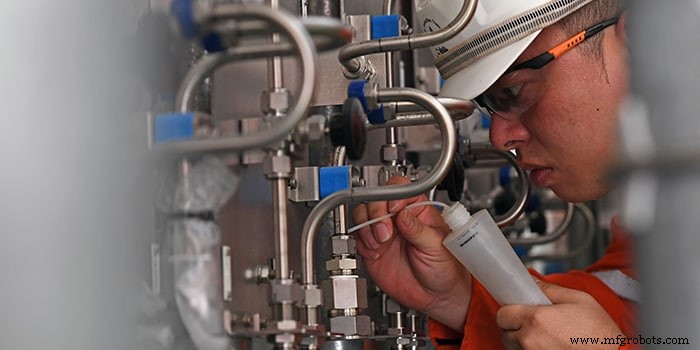
Reducing Costly Fluid System Leaks and Emissions
Sean Hunsicker, Business Development Manager - Global Sales
It’s easy to become accustomed to certain sounds, sights, and other ambient environmental conditions of a chemical processing, oil and gas, or other industrial process facility. Walking across the floor, you may hear a distant hiss of a compressed air line. You may see some small droplets beneath some steam tubing or catch a faint whiff of process gas.
These might seem like typical indicators of an operational facility—but in reality, they are symptoms of different forms of fluid system leaks. And while they may range in severity, these leaks almost always result in some kind of inefficiency, and potentially even danger for your staff and the environment.
 |
|
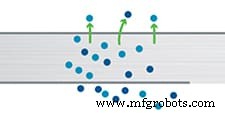 |
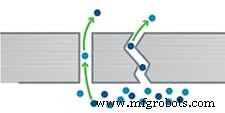
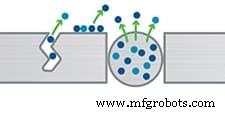
| Real Leak: A leak resulting from the failure of a pressure barrier to contain or isolate a system fluid from the surrounding environment. This occurs due to cracks in the material or gaps between sealing surfaces. | Virtual Leak: A release of internally trapped fluid into a fluid system due to material outgassing, absorbed or adsorbed fluids, entrapment in crevices, or dead legs. | Permeation: A passage of fluid into, through, and out of a pressure barrier that does not have holes large enough to permit more than a small fraction of the molecules to pass through any one hole. |
In their various forms, undetected leaks occur in virtually every industrial facility, most commonly at connection points throughout your fluid systems. A leak might be a simple nuisance—but it may also be costly and potentially hazardous. And as increasingly stringent environmental regulations and investor pressure around the world spur facilities to dramatically reduce their emissions, minimizing the potential for even small leaks is a growing priority for operators everywhere.
With this in mind, let us explore a few different types of fluid system leaks common in industrial facilities and how you can reduce their likelihood.
Environmental Emissions
Environmental emissions are a form of uncontrolled leak of gases into the air. Benzene, methane, and ethanol are some of the more common gases of concern, as each can jeopardize air quality and contribute to the formation of ozone.
A good example of how governments and corporations are beginning to target these types of emissions is found in the Greenhouse Gas Protocol’s definition of Scope 1, Scope 2, and Scope 3 emissions.
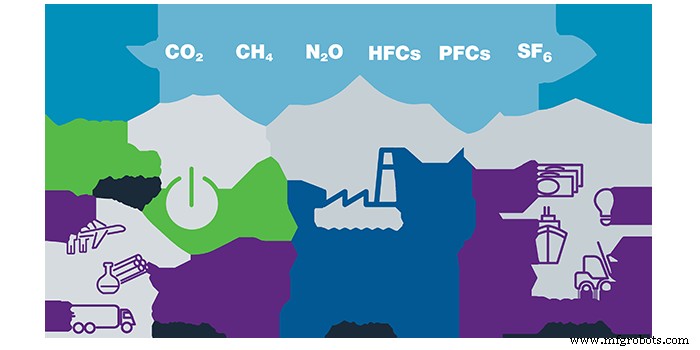
The Greenhouse Gas Protocol (GHGP) notes that companies can identify opportunities to bolster their bottom line, reduce risk, and find new competitive advantages by actively reducing their emissions. “Governments are expected to set new policies and provide additional market-based incentives to drive significant reductions in emissions,” GHGP says in its Corporate Value Chain Accounting and Reporting Standard. For process-driven facilities, seeking out and addressing any form of carbon emissions via leaking process equipment can lead to some significant operational benefits.
Costly Leaks
Outside of industrial carbon emissions, many other types of leaks can occur throughout an industrial facility. Some leaks can be obviously problematic due to their hazardous nature and potential high costs. Others, meanwhile, may not pose an immediate threat to personnel and the environment, but can add up to significant inefficiencies and costs for your operation.
Costly leaks may not pose an immediate threat to personnel and the environment, but can add up to significant inefficiencies and costs for your operation.
For example, consider steam, which is used for a variety of production purposes in many types of industrial facilities. Steam is costly and energy intensive to produce and use, involving water purification, steam generation processes, and transportation infrastructure. Any unintentional leaks in steam systems can translate directly to dollars lost from your bottom line.
Compressed air is another application where leaks may seem benign but can add up to considerable costs. For example, a compressed air system that is not meeting pressure requirements may require input from additional compressors. However, leaks can be the culprit for pressure loss—and fixing them may eliminate the need for an auxiliary compressor and the costs involved in running it.
Identifying and Fixing Common Leak Culprits
Most commonly, fitting and valve connections are responsible for previously undetected emissions and leaks.
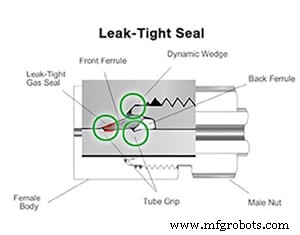 In the case of fittings, improper installation is most often the culprit for poor performance. However, certain types of fittings are more prone to leaks than others. For example, NPT threaded fittings—a common type of small-bore fitting—have been found to leak more frequently than certain types of mechanical grip tube fittings, which create longer lines of sealing contact between their ferrules and the tubing. By selecting and specifying higher-performance tube fittings throughout applicable fluid systems, operators can be more certain of leak-tight performance.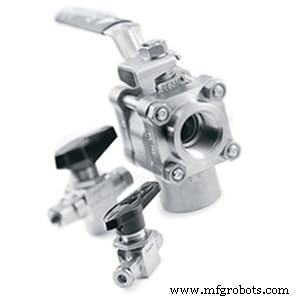
Meanwhile, valves offer fluids more opportunities to escape the system, making the selection of high-quality options even more important. Valves are made up of multiple individual parts, including a stem, seal, handle, and more, each of which may represent a potential path for fluids to leak. Valves are also dynamic—frequent opening and closing can cause wear to some components, which over time can lead to greater leak potential.
Proactive Leak Detection
In addition to offering leak-tight components, some suppliers may be able to recommend alternative system design choices that can limit leaks. They may also offer leak detection services that can help you improve efficiency, increase reliability, and reduce energy consumption and emissions in everyday plant operations.
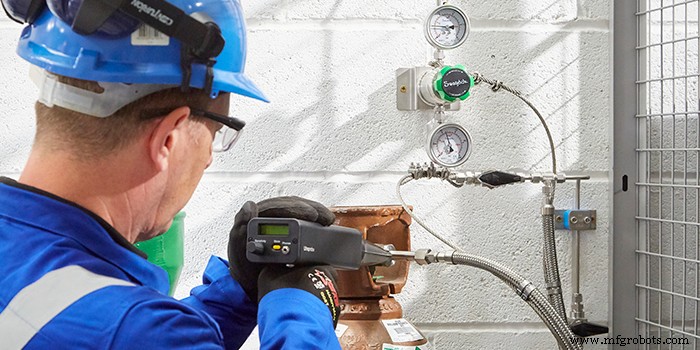
It is important to remember that every day a leak goes unfixed, it is likely hurting your organization’s bottom line. The sooner that leak is addressed, the sooner you will be reducing costs and improving safety. Interested in learning more about how to proactively reduce leaks with high-quality components? Reach out for help with component selection, leak detection, and other services that can help you take one more step toward leak-free operation.
Industrial Technology
- 6 Key Advantages of Adopting a miho Inspection System for Your Facility
- Choosing the Ideal Industrial Vacuum System: A Comprehensive Safety Guide
- Eliminate Fluid System Leaks in Tire Facilities for Safer, Cleaner Operations
- Oil & Gas Safety Checklist: Secure Your Industrial Fluid Systems
- Certified Fluid System Training: Verify Your Trainer’s Expertise
- Detecting and Preventing Fluid System Leaks: A Comprehensive Guide
- Why Standardizing Fluid System Components Boosts Oil & Gas Project Success
- Why Auditing Your Offshore Fluid System Is Critical: 3 Key Reasons
- Prevent Fluid System Leaks: Expert Tips for Optimal Tube Preparation
- Minimize Pressure Loss in Your Compressed Air System