



Industrial IoT: How OTA Updates Transform Field Operations
Software over the air (OTA) is a cornerstone of modern Industrial IoT (IIoT). Yet many operators still treat it as a vague buzzword. This guide explains OTA in plain terms and shows why it matters for industrial equipment.
What Is OTA?
OTA refers to the remote deployment of firmware or software updates to devices already deployed in the field. It enables bug fixes, security patches, feature upgrades, and more—all without on‑site visits.
How does it work? The device’s Connectivity Control Unit (CCU) establishes a secure link to an IoT platform’s cloud service—such as the Bosch IoT Suite. The cloud checks for a compatible update, schedules it, and pushes the new image to the CCU, which then flashes the device.
Key Questions the Platform Answers
- Is a new update available?
- Is the device compatible with the update?
- When is the optimal time to deploy?
- What intervals are suitable for batch updates?
- Can a large fleet be updated in a single campaign?
- Does the update contain security‑critical changes?
These questions drive the update workflow, ensuring that only the right devices receive the right firmware at the right time.
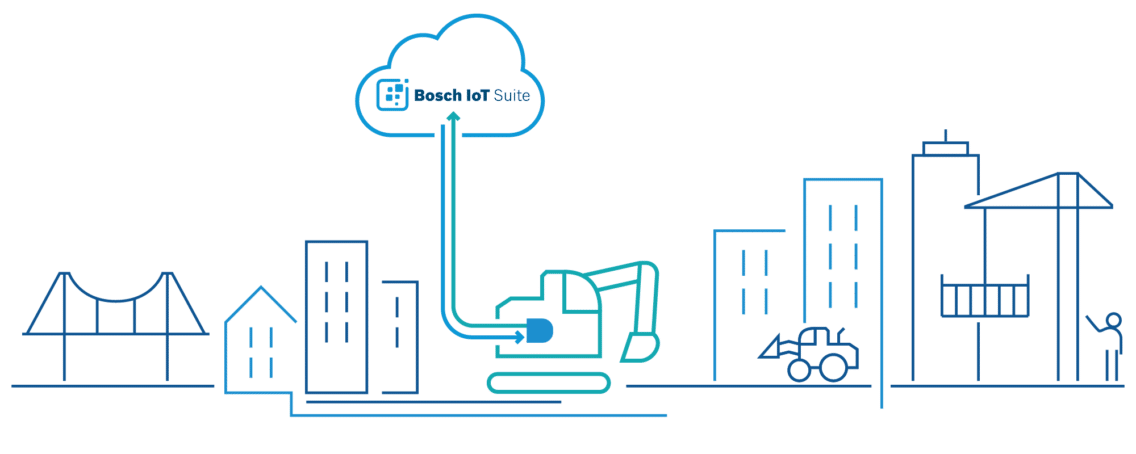
Source: Bosch.IO GmbH
Why OTA Is a Game Changer for Heavy Machinery
Consider a fleet of off‑highway excavators:
- Operators must bring each unit to a service center every time a new firmware is released.
- Manufacturers dispatch technicians to perform manual installs on each machine.
- Vendors email update packages, and on‑site staff apply them manually.
All three paths are costly and time‑consuming—especially for equipment stationed in remote locations. OTA eliminates these bottlenecks, reducing downtime, lowering maintenance labor, and enabling faster roll‑outs.
Our Expert Panel: OTA for Off‑Highway Machinery dives deeper into how these updates cut maintenance cycles and operational costs. Learn more.
Beyond OTA: Full‑Scale Device Management
OTA is just one facet of the industrial IoT ecosystem. To understand how connected devices can be managed end‑to‑end—from data collection to predictive maintenance—read our latest Industrial IoT Whitepaper.
Meet Bodo Schmidt
Niklas Bodo Schmidt is the principal contact for industrial enterprises seeking cutting‑edge IoT solutions. He collaborates with customers to design IIoT use cases, shape minimum viable products, and build scalable, production‑ready deployments.
Industrial Technology
- How 5G Will Transform Industrial IoT: Boosting Automation, Reliability, and Connectivity
- Securing the Industrial IoT: A Practical Roadmap
- Over‑the‑Air Software Updates in IoT: Why SOTA Matters
- IoT and Industry 4.0: How the Fourth Industrial Revolution Is Shaping Manufacturing
- Industrial IoT Value Chains: From Device Data to Business ROI
- Industrial IoT: A Strategic Imperative for Modern Manufacturing
- Industry 4.0 vs. Industrial IoT: Understanding the Key Differences
- Top 7 Industrial IoT Applications Powering Market Growth
- Industrial IoT: Market Growth, Drivers, and Opportunities
- IoT in Industrial Automation: Enhancing Efficiency and Connectivity