



Designing an IoT Data Product UI: 9 Essential Considerations
What is a data product
Data products are digital solutions that harness data and visual storytelling to empower decision‑making and to manage complex systems. IoT ecosystems—comprising hardware, networking, software, and AI—are prime examples. A well‑crafted user interface (UI) demystifies that complexity, enabling users to interpret insights and act confidently.
Despite the promise of IoT, 85% of big‑data and AI initiatives falter. The culprit isn’t the underlying technology; it’s often the design. A user‑centric, data‑aware UI is the linchpin that turns raw streams into actionable intelligence.
Evelyn Münster
Evelyn Münster is a seasoned data‑visualization designer at Designation in Munich. She specializes in translating intricate concepts—machine learning, robotics, statistical modeling—into clear, intuitive graphics that resonate with non‑technical audiences. Visit Designation’s website.
Creating a valuable data product demands a fresh UX paradigm. Designers face unique challenges: unfamiliar systems, mixed data and AI layers, and novel user tasks. Yet, with the right framework, you can deliver clarity and trust.
Below are nine foundational questions to guide your design process.
1. Which problem does my product solve for the user?
Users should grasp your data product’s purpose within minutes. Classify the core tasks—actionable insights, performance feedback, root‑cause analysis, knowledge creation, or trust building—to anchor the UI narrative.
2. What does the system look like?
Begin with a clear system diagram. Avoid assuming prior knowledge; users need a mental model of how data flows and informs decisions.
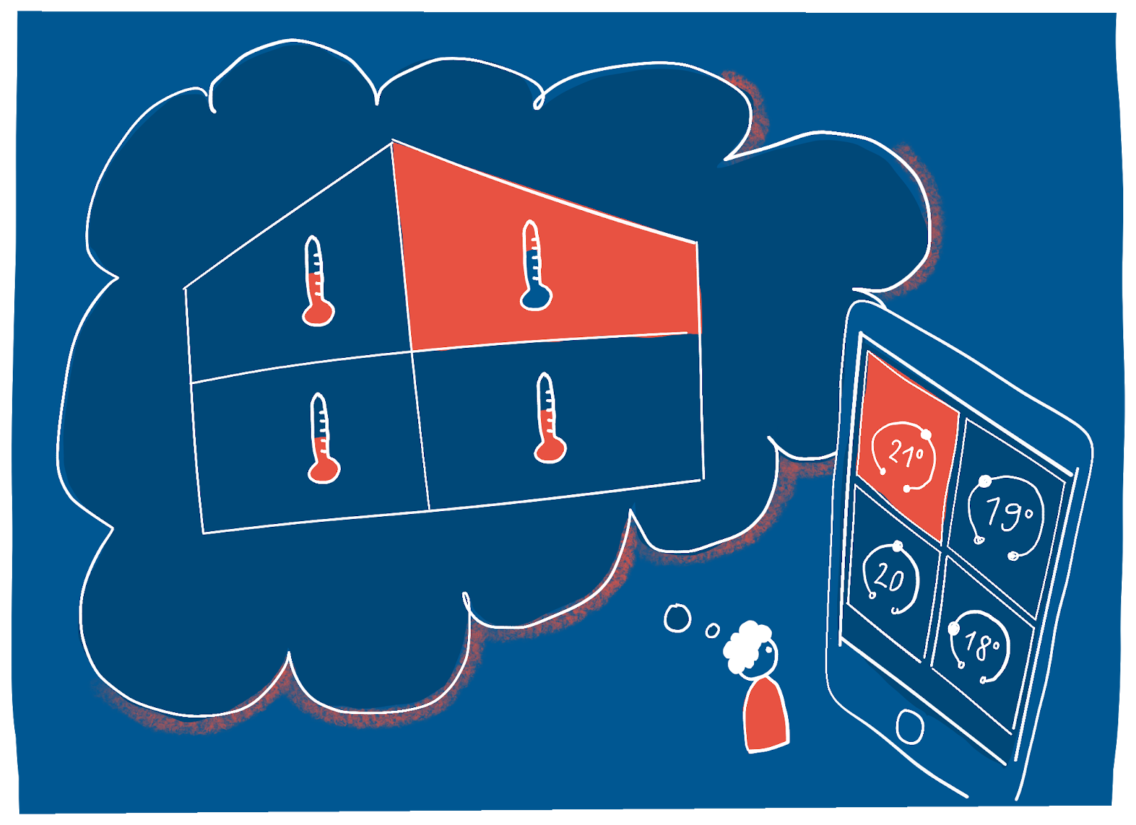
3. What is the level of data quality?
The UI must transparently reflect data integrity. Visual cues for accuracy foster user trust and informed decision‑making.
4. What is the user’s proficiency in graphicacy and numeracy?
Conduct usability tests to confirm that your audience can correctly interpret charts and numbers. Tailor complexity to skill level.
5. What level of detail do I need?
Balance abstraction with context. Aggregated data can feel vague; granular detail can overwhelm. Offer drill‑down options that let users explore depth on demand.
6. Are we dealing with probabilities?
Probabilistic information requires explicit explanation. Avoid simplifying uncertainty away; instead, present risk metrics clearly to prevent misinterpretation.
7. Do we have a data visualization expert on the design team?
Data‑centric UX blends analysis, storytelling, and design. Ensure your team includes a visualization specialist—or establish a reliable external partner.
8. How do we gather user feedback?
Deploy realistic prototypes early and iterate based on real user testing. Capture insights on data comprehension, navigation, and overall experience.
9. Can the UI boost marketing and sales?
A compelling UI not only serves users—it also communicates your product’s value proposition. A clear, engaging interface can become a powerful sales tool.
In sum, data products are distinct from conventional dashboards or apps. Building a high‑impact IoT UI requires dedicated Data UX Design, specialized workflows, and a focus on clarity, trust, and usability.
Industrial Technology
- How IoT Data Management Drives Innovation: 4 Key Benefits
- A Practical IoT Decision Framework for Product Managers
- Mastering Data Acquisition for IoT Product Managers
- Is Your Manufacturing Facility Ready for IoT? A Practical Guide
- IBM Introduces Hybrid Blockchain Architecture to Securely Manage IoT Networks
- Harnessing Industrial IoT for Growth: Beyond Cost Savings
- Why Edge Computing is Essential for the IoT: Unlocking Real-Time Performance
- CMMS Services: Six Key Considerations for Choosing the Right System
- Essential Factors for Rapid PCB Turnaround
- Essential Guidelines for Successful Box Build Assembly