



Autodesk Fusion Enhances 5‑Axis CAM for Ultra‑Precision Machining at Yutaka Co.
Ultra‑high precision components—often in the sub‑micron range—are critical for semiconductor equipment and aerospace parts. Achieving such tolerances demands advanced techniques like simultaneous 5‑axis machining, which in turn requires sophisticated software and highly skilled operators. Yutaka Co., Ltd., a precision‑machining leader in Matsuyama, Ehime Prefecture, is meeting this challenge with a strategic adoption of Autodesk Fusion.
Elevate your design and manufacturing processes with Autodesk Fusion
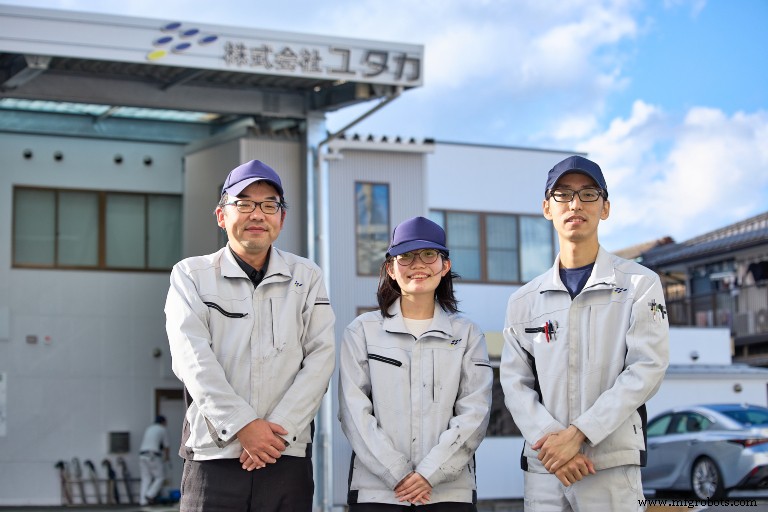
Founded in 1977, Yutaka has grown to operate more than 160 production machines across nine facilities, all of which benefit from the company’s long‑standing use of CAM software. The Second Manufacturing Section, which handles complex aerospace and semiconductor parts, relies on 5‑axis machining centers to execute tasks ranging from optimal machining plan design and fixture layout to full CAM programming and on‑site measurement.
"CAM enabled us to generate programs for 5‑axis machines directly from 3‑D data," says Katsutoshi Nagata, Section Manager. "Coupled with 3‑D measuring tools and scanners, we can now achieve higher precision and quality assurance, thanks to the diverse toolpath commands and simulation functions that Fusion offers."

Superior Accessibility and Enhanced CAM Capabilities with Autodesk Fusion
While 5‑axis machining unlocks complex surfaces and undercuts—essential for turbine blades, for example—it also introduces programming complexity, precision control demands, and a steep learning curve for operators. Traditional CAM solutions often carried high license costs, escalating maintenance fees, and limited customization, creating barriers for many manufacturers.
"Previous software was prohibitively expensive, making it hard to add licenses on demand," notes Nagata. "Maintenance costs rose continuously, and the lack of customization was frustrating."
To address these challenges, Yutaka fully integrated Autodesk Fusion two years ago. By leveraging the Manufacturing Extension, the company expanded its standard 4‑axis and 5‑axis capabilities, achieving advanced manufacturing functions on par with legacy CAM systems. Fusion’s cloud‑based architecture further streamlined workflow, allowing engineers to review 3‑D models, toolpaths, and simulations directly from the shop floor, eliminating back‑and‑forth trips between programming rooms and machines.
No Additional Edits Required: Ready‑to‑Use NC Data Significantly Reduces Time
Traditional CAM requires post‑processing of NC data for each machine and subsequent manual edits, a laborious process. Fusion offers a library of open‑source post‑processors that can be customized per machine, drastically cutting the time spent on post‑processing errors, NC edits, and dry‑run verifications.
Wataru Takeda, MC2‑1 Section, shares, "Fusion allows us to start machining immediately by feeding the output NC data straight into the machine. Eliminating post‑processing edits has made the entire workflow more efficient and has opened the door for younger employees to take on complex tasks sooner."
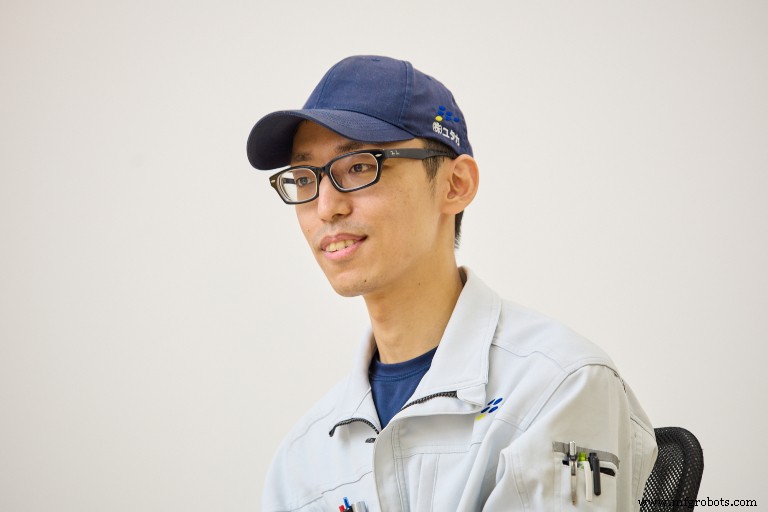
"We’ve reduced setup time by at least 20%, and for longer programs, by about 30%," confirms Nagata.
Learning Features Easily with Videos and Forums
Adopting new software can be time‑consuming, but Yutaka found Fusion’s learning curve surprisingly gentle. The global community of Fusion users offers a wealth of tutorials and forums, allowing engineers to self‑directedly troubleshoot issues without waiting for internal or vendor support.
Yui Tanaka, who began using Fusion a year ago, credits the abundance of online videos and in‑software tooltips for her rapid mastery. "The shift from a laborious parameter setup to intuitive toolpath generation has been transformative," she says. "What once took two hours of editing now takes minutes of direct feeding into the machine."
Simultaneous 5‑axis machining has eliminated the need for manual finishing and reduced processing time. By applying tools at optimal angles, the company maintains its commitment to 100% inspection and 100% product guarantee. Currently, 90% of CAM operations are conducted in Fusion.
Fusion also enhances collaboration. Data stored in the cloud can be shared across factories, promoting knowledge exchange and enabling senior staff to mentor new hires effectively. The integration of CAD and CAM means that any design change automatically updates the machining program, eliminating the need to redraw sketches.
When receiving assembly data from a Fusion‑designed partner, Yutaka can immediately comprehend the design intent, extract only the required parts, and generate toolpaths—saving customers time and effort.
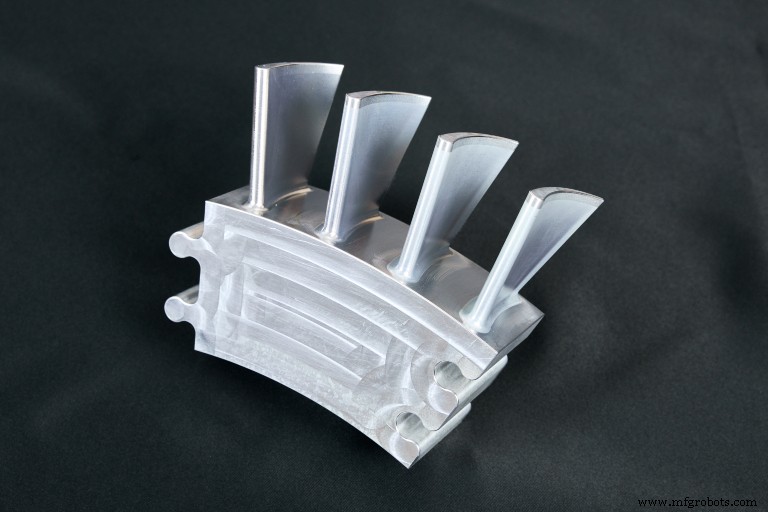
In aerospace blade machining, Fusion’s precision in defining machining zones and tool contact points proved invaluable. The seamless transition from CAD to CAM ensured that the generated toolpaths matched the programmer’s intent exactly, reinforcing Yutaka’s reputation for delivering high‑quality, complex components.
The adoption of Fusion has fostered better task allocation, idea sharing, and centralized data management. Flexible license management tailored to specific roles, combined with secure, version‑compatible data storage, makes Fusion an ideal solution for manufacturers looking to centralize processes and share insights across teams.
Industrial Technology
- What Drives the Cost of Anodizing Aluminum? Key Factors Explained
- Industrial Data Platforms: Enhancing Efficiency, Visibility, and Continuous Improvement in Manufacturing
- Manufacturers Urged to Fortify Design Data: Experts Warn of Global Leak Risks
- How ERP Software Positions Your Business for Biden’s Buy American Initiative
- Understanding MOSFETs: How They Operate, Types, and Key Applications
- Comprehensive Electrical Wiring Installation Guides & Diagrams
- Painting & Wet Painting Explained: CNC Machining Surface Finishing Guide
- Essential Guide to Utility Asset Management: Mastering Asset Categorization
- Top Selenium Alternatives for Automated Testing and Their Key Differences
- The Science Behind Piezoelectricity: How It Works and Why It Matters