



Getting Started with Industry 4.0: A Practical Guide for Manufacturers
Updated May 13, 2021
Industry 4.0 is a transformative framework that blends data, connectivity, and automation to reinvent manufacturing. Yet many plants struggle to translate the buzz into a concrete roadmap.
To demystify the concept, we first define it. As outlined in our comprehensive guide:
Industry 4.0, or the Fourth Industrial Revolution, describes the convergence of computers, data, and automation that reshapes how manufacturing operates.
It isn’t a step‑by‑step playbook, but a vision of a smart factory where IoT, AI, and cyber‑physical systems drive continuous improvement.
Developing an Industry 4.0 Strategy
Every plant’s journey is unique, but the foundation is the same: robust data infrastructure. With the right architecture, you can unlock use cases such as predictive maintenance, real‑time quality control, and autonomous logistics.
Getting Connected: People, Systems, and Equipment
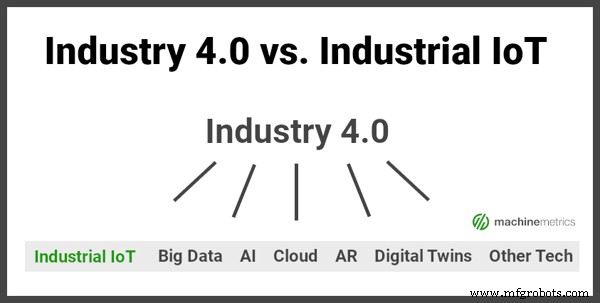
Industrial Internet of Things (IIoT) is one component of the larger Industry 4.0 ecosystem. While IIoT focuses on device connectivity, Industry 4.0 encompasses the entire data‑driven value chain.
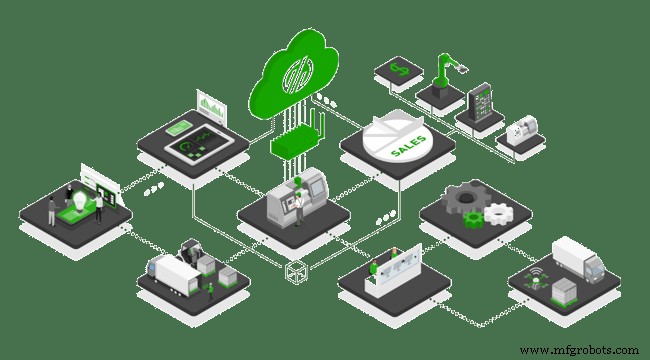
IoT’s core promise is delivering the right information to the right stakeholder at the right moment. By weaving together machines, software, and human operators, manufacturers gain granular visibility and control over the shop floor.
So, where do you start?
The Heart of Production
Machines and operators on the shop floor generate the richest source of operational data. Capturing this data unlocks real‑time insights that can improve quality, reduce downtime, and accelerate time‑to‑market.
Step One: Machine Connectivity
Industrial IoT platforms—such as MachineMetrics—connect directly to machine assets, ingest raw telemetry, and render it in actionable dashboards.
Learn more about machine data collection.
Step Two: Contextual Operational Data
Data is most powerful when paired with context. By documenting production events—operator interventions, batch changes, and anomalies—you add a narrative layer that turns raw numbers into actionable intelligence.
Step Three: Connected Systems
Aggregated production data becomes the backbone of cross‑functional collaboration. It can trigger maintenance schedules in CMMS, flag scrap in quality systems, and inform pricing models.
Learn more about MachineMetrics integrations.
Industry 4.0 Begins Here
Start your transformation with a platform that seamlessly connects assets and people, delivering the data foundation you need to scale across processes.
MachineMetrics offers an out‑of‑the‑box solution that provides full shop‑floor visibility, real‑time analytics, and tools to pinpoint bottlenecks and uncover improvement opportunities.
A Case Study: Building the Industry 4.0 Foundation with Data
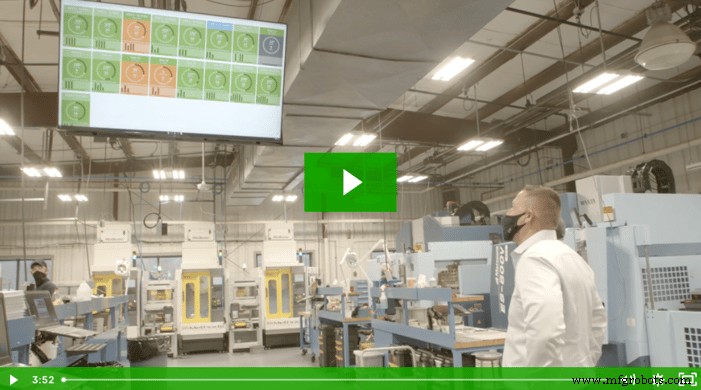
After deploying a production‑tracking solution, Fairview gained 24/7 live visibility into all machines, empowering operators and back‑office teams to react instantly.
In the video below, Michael highlights:
- Real‑time production data for complete shop‑floor control
- The competitive edge MachineMetrics offers Fairview when courting new customers
- Data accessibility across devices—shop floor, office, or mobile
- Seamless integration with Epicor ERP
- World‑class customer support
- Fast, hassle‑free implementation
Watch Fairview’s success story:
Industrial Technology
- Understanding Material Hardness: Key Insights for Project Success
- Sand Casting vs. Shell Mold Casting: Choosing the Right Metal Casting Process
- Choosing the Right High‑Speed Electric Spindle Motor: Key Principles
- Understanding the Difference Between Climbing and Conventional Milling
- Mastering Double Disk Grinding: Key Principles and Benefits
- Understanding the Sine Bar: Key Principles, Types, and Applications
- Laser-Based System Enables Real-Time Monitoring of Radiation Damage in Materials
- What’s Hindering Food Delivery—and How Logistics Tech Can Speed It Up
- NEMA 23 Stepper Motor: Specs, Applications, and Practical Use Guide
- Smart Metal Selection: Premium, Affordable Materials for Small-Scale Manufacturing