



Mastering Flexible PCB Manufacturing: 9 Expert Strategies for Perfection
Flexible PCBs—often called flex circuits—are essential for modern electronics that demand thin, lightweight, and highly adaptable wiring solutions. While their production can be intricate, a systematic approach ensures reliability, performance, and cost‑effectiveness.
Design & Engineering
Unlike rigid boards, flex PCBs require a dedicated design philosophy. Collaborating with a seasoned manufacturer lets you tailor trace widths, layer counts, and bend radii to the specific application, guaranteeing both functionality and manufacturability.
- Determine the required bend life—how many times the board can flex before failure.
- Plan for proper plating and exposure to avoid open circuits after bending.
- Keep layer count optimal: more layers enable complex routing but increase cost.
Material Selection
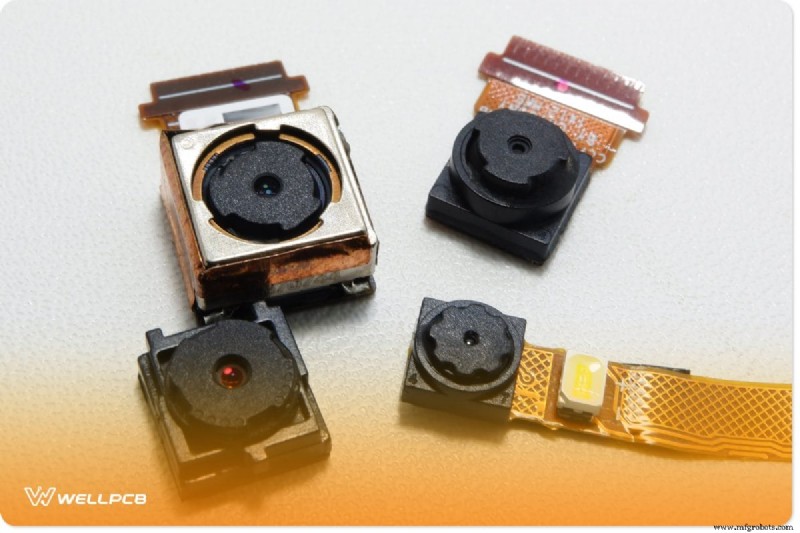
The core of any flex PCB is its substrate. Polyimide films are the industry standard, offering excellent thermal stability and mechanical resilience. Consider the adhesive, overlay, and solder mask materials as well—each influences durability and assembly compatibility.

Balance Flexibility and Rigidity
Not every part of a circuit needs to be fully flexible. Identify sections that benefit most from bending—such as connectors or cable assemblies—while retaining rigid modules for structural integrity. This hybrid approach saves material and protects critical components.
Choose a Trusted Manufacturer
With hundreds of suppliers worldwide, vetting is crucial. Verify licenses, quality certifications (ISO 9001, IPC‑J-STD‑001), and customer references. A reliable partner offers transparent quoting, rapid prototyping, and proactive defect resolution.
Integrated Solutions
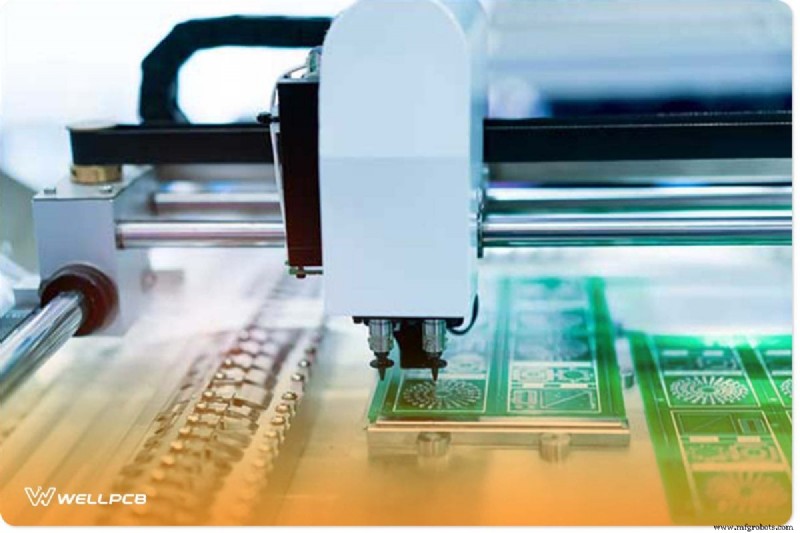
Integrating design, manufacturing, and testing workflows reduces lead times and aligns expectations across teams. An end‑to‑end solution—often provided by a single OEM—ensures that each layer of the board meets the next, avoiding costly rework.
Advanced Manufacturing Technologies
Modern flex PCB production relies on precision drilling, chemical etching, hot‑melt lamination, and laser engraving. These techniques guarantee accurate via placement, clean trace edges, and consistent thickness—critical for high‑density applications.
Post‑Processing: Desmear & Pitting
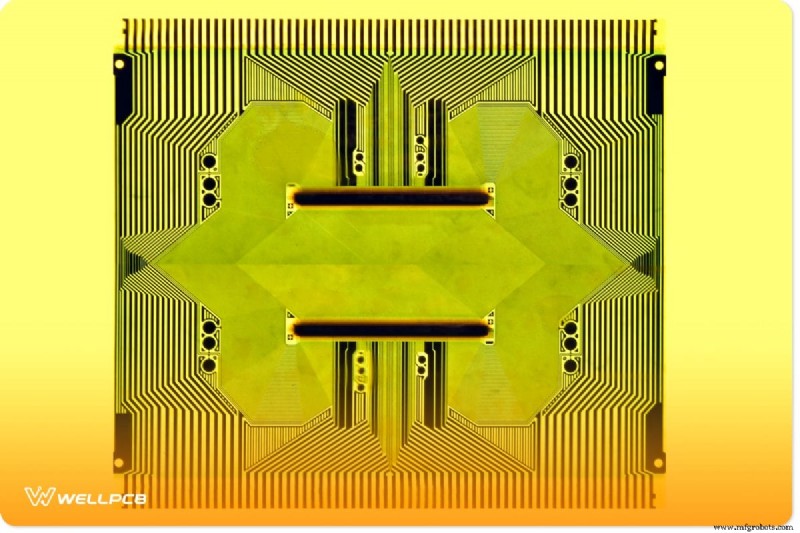
After drilling, desmearing removes epoxy residue that can compromise connectivity. Pitting eliminates surface corrosion, extending the board’s life, especially in harsh environments. Skipping these steps may lead to subtle, long‑term failures.

Rigorous Testing
Testing is non‑negotiable. In‑circuit test (ICT) flags early defects, while automated test equipment (ATE) verifies electrical performance across all modules. Comprehensive testing protects brand reputation and ensures end‑user safety.
Superior Packaging & Shelf Life
Proper packaging preserves flex PCBs from moisture, dust, and mechanical shock. Vacuum‑sealed moisture‑barrier bags, combined with desiccants, are industry standard. For high‑volume shipments, consider corrugated or plastic cartons with custom inserts.
Conclusion
Flexible PCBs drive the next generation of consumer electronics, medical devices, and aerospace systems. By applying these nine strategies—design precision, material expertise, strategic flexibility, reliable partners, integrated workflows, cutting‑edge manufacturing, meticulous post‑processing, thorough testing, and robust packaging—you can achieve a flawless manufacturing process that delivers performance and peace of mind.
Industrial Technology
- Key PCB Design Principles for Automotive Electronics
- 10 Common CAD Inefficiencies & Effective Solutions
- Honeywell Xenon 1902: Comprehensive Review of the Wireless Area‑Imaging Scanner
- Choosing the Ideal Adhesive for Barcode Labels: A Practical Guide
- Top 10 Essential Uses of Alumina Powder in Industry
- Investing in Advanced Materials: Biden’s Key to Reclaiming U.S. Semiconductor Leadership
- Step-by-Step Guide to Installing a 2-Pole Circuit Breaker in a 120/240V Panel
- Optimizing the Frozen Food Supply Chain with Advanced Software Solutions
- Unlock Hidden Value in Legacy Production Equipment with Smart Automation Upgrades
- Optalysys Unveils World's First Laser-Powered Optical Neural Network