



10 Key Factors Comparing Rigid and Flexible PCBs
Printed circuit boards (PCBs) serve as the backbone of modern electronics, routing signals through discreet copper traces to form a functional, compact unit. While a single‑layer copper foil can suffice for simple circuits, most commercial devices employ multi‑layer boards for enhanced performance and density. Two primary categories—rigid and flexible PCBs—differ mainly in mechanical properties. Rigid boards are permanently stiff, whereas flexible circuits can bend, fold, or conform to complex geometries, making them increasingly popular in high‑density, lightweight applications.
Flexibility
Unlike rigid PCBs, flexible PCBs can bend, fold, or crease without compromising electrical integrity, allowing designers to integrate circuitry directly into the device envelope rather than designing around a fixed board. This adaptability is why wearables, medical implants, fold‑able phones, and sensors routinely use flex technology.

Connectivity
Flexible PCBs maintain reliable connections to adjacent boards, user interfaces, and components even under repeated flex cycles. This advantage makes them a preferred choice for fold‑out displays, laptop panels, and high‑speed data links. For instance, Huawei’s folding‑screen phones rely on flex circuitry to ensure smooth operation.

Weight
Because flexible substrates are lighter than rigid FR‑4, the overall product weight decreases, which is critical for drones, wearables, and aerospace applications.

Durability
Although rigid boards are thicker, flexible PCBs excel in shock and vibration resilience, extending product life in rugged environments such as defense, space, and medical devices.

Environmental Resistance
Flexible PCBs resist warping, chemical exposure, heat, and radiation far better than rigid boards, enabling reliable operation in automotive, aerospace, and harsh industrial settings.

Miniaturization
The thin, conformable nature of flex circuits permits tighter component spacing and reduced form factor, supporting the trend toward smaller, lower‑power devices such as smartphones and implantable sensors.
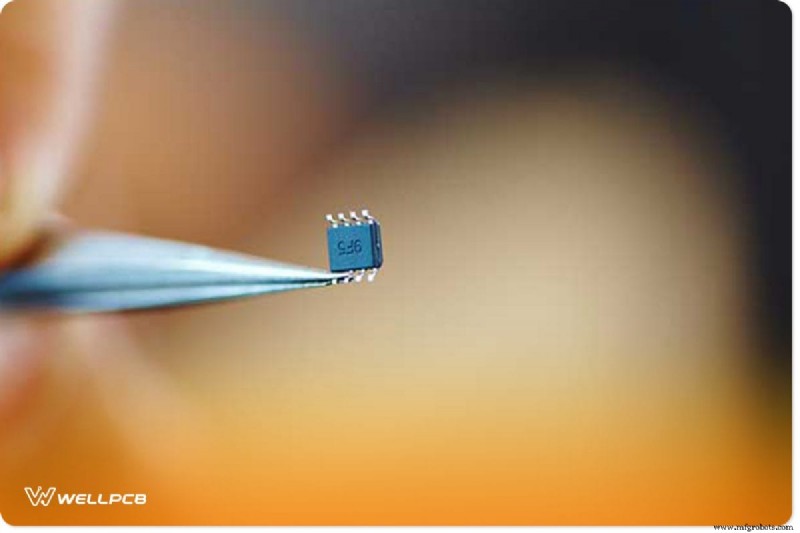
Shock & Vibration Resistance
Flexible PCBs outperform rigid boards when it comes to withstanding vigorous shocks and vibrations, making them ideal for high‑vibration instruments and mobile equipment.

High‑Temperature & High‑Density Applications
Polyimide and other high‑temperature polymers used in flex PCBs dissipate heat efficiently, enabling operation above 250 °C and supporting high‑density interconnects in oil‑well logging tools and high‑power LEDs.
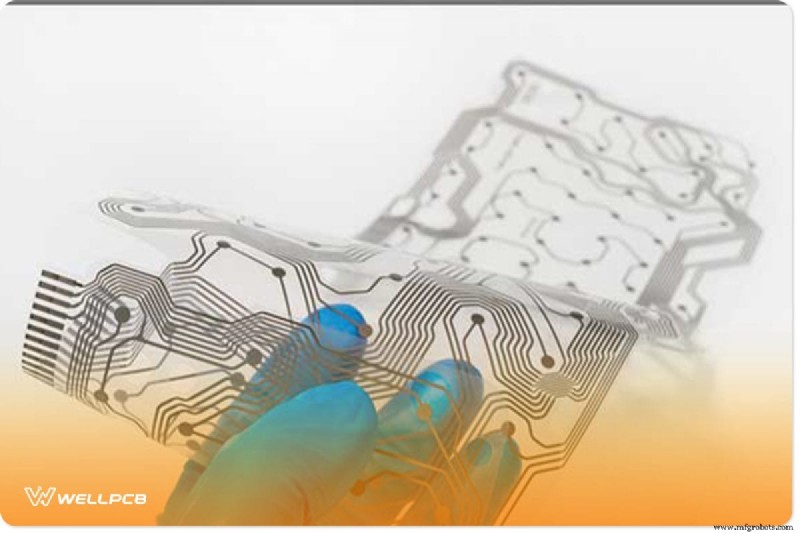
Applications
While flexible PCBs are not yet a wholesale replacement for rigid boards—cost and manufacturing complexity remain considerations—hybrid rigid‑flex designs are now standard in medical devices, laptops, and industrial equipment.

Cost
Manufacturing flex PCBs requires additional engineering files, specialized layers, and sometimes stiffeners or adhesive films, which drive up cost relative to standard rigid FR‑4. However, when the performance gains outweigh the extra expense, designers often choose flex.

Summary
Flexible PCBs are reshaping electronics across multiple sectors. Whether you need a lightweight, high‑performance board or a hybrid solution, WELLPCB’s decade‑long experience ensures precision and reliability. Contact us for expert guidance on rigid or flexible PCB design and manufacturing.
Industrial Technology
- Designing Fail‑Safe Control Systems for Safety and Reliability
- Why Are Circuit Boards Printed? A Deep Dive into Their History and Modern Manufacturing
- Overcoming Key Obstacles in Additive Manufacturing: A Practical Guide
- Master 3+2 Axis Milling in Fusion 360: Boost Efficiency & Reduce Setup Time
- Understanding the PN Junction: From Structure to Diode Behavior
- Identify Poor Welding: A Quick Guide for Safer, Stronger Builds
- Preparing Your Motor for Repair: A Trusted Approach
- Understanding Capacitor and Inductor Transient Response in Series RC Circuits
- High-Precision LIDAR Captures 3D Melting Structures in Intense Flames
- Precision Micro Molding with Polyurethane: Advanced Benefits and Applications