



A Comprehensive Guide to Digital Circuit Design: History, Principles, and Latest Innovations
Digital circuits— the backbone of modern electronics—process discrete binary signals, offering superior noise immunity and scalability compared to analog systems. This guide walks you through their evolution, core properties, construction methods, and the state‑of‑the‑art technologies shaping the future.
A Brief History of Digital Circuits
In 1705, Gottfried Wilhelm Leibniz formalized the binary system, marrying arithmetic with logic. George Boole later codified Boolean algebra in the 1850s, laying the groundwork for digital computation. Charles Sanders Peirce described logical operations using electrical switches in 1886, sparking the transition from relays to vacuum tubes.
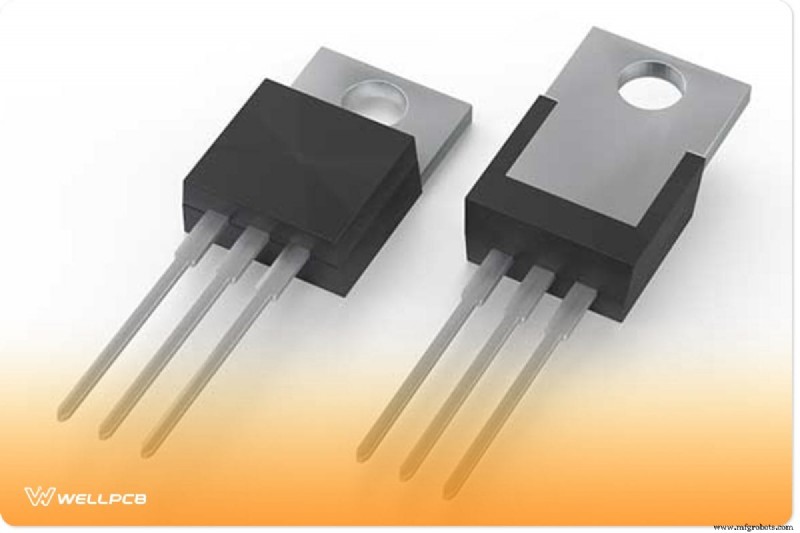
Post‑World War II, numerical computing overtook analog methods, and solid‑state devices began to replace mechanical relays. The 1959 breakthrough by Mohamed Atalla and Dawon Kahng— the MOSFET transistor—revolutionized the industry, becoming the most widely used semiconductor device today.
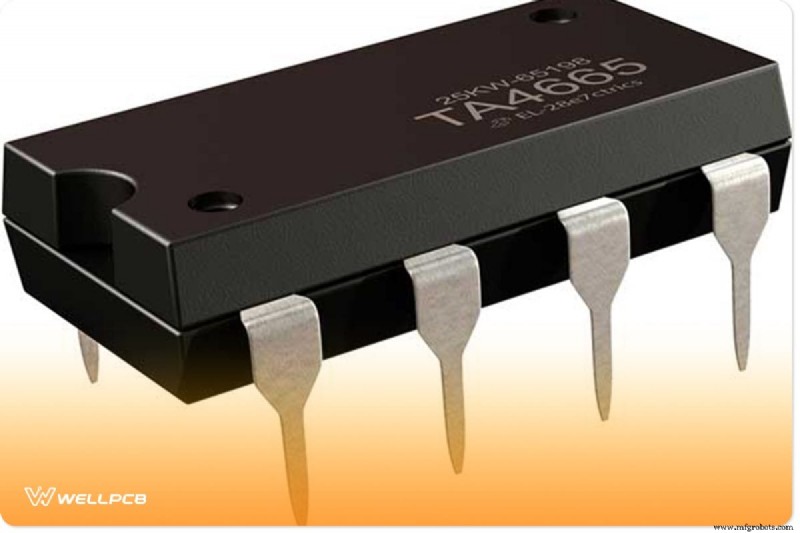
Initial ICs housed only a handful of transistors, but rapid miniaturization now allows billions of MOSFETs on a single silicon die, a testament to decades of progress.
Key Properties of Digital Circuits
Digital circuits thrive on their ability to represent signals as binary values, making them largely immune to noise. Even if a transmission path introduces interference, the system can recover the original 0s and 1s without error.
Increasing the number of binary digits enhances precision, enabling scalable designs without fundamentally altering hardware. In contrast, analog systems must redesign components to improve resolution.
Software upgrades can add functionality or fix bugs in digital systems without hardware changes, facilitating rapid iteration and deployment.

Digital storage offers high reliability; data can be read and rewritten many times without degradation, unlike analog memory which drifts over time.
When converting analog signals to digital, quantization errors can arise. Mitigating these errors requires sufficient resolution to capture the signal’s nuances.
Constructing Digital Circuits
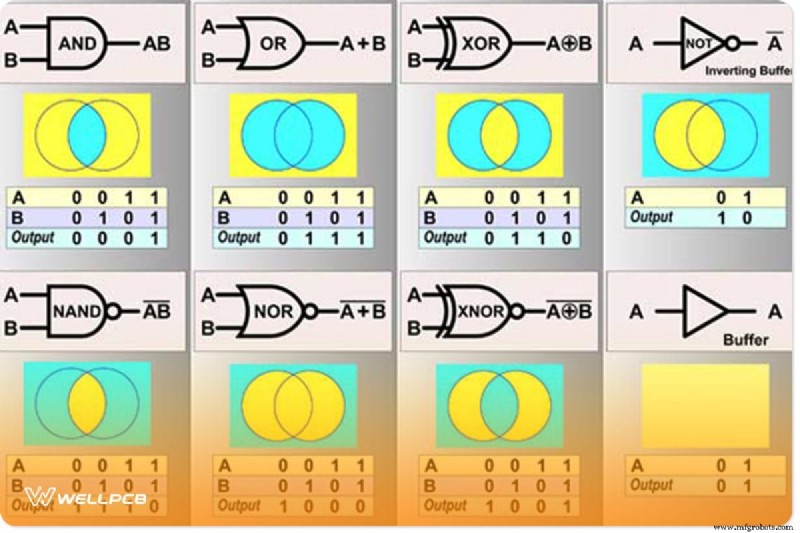
Engineers build logic gates using transistors or vacuum tubes, forming the foundation for combinational logic. Each gate performs a Boolean function, and outputs can cascade to form complex systems.
Logic‑Gate Construction
Manufacturers design ICs with billions of transistors, leveraging electron‑controlled switches. Outputs from one gate often serve as inputs to subsequent gates, enabling hierarchical design.
Lookup‑Table Based Design
Programmable logic devices (PLDs) use lookup tables (LUTs) to map inputs to outputs, allowing designers to reprogram functionality without rewiring. This flexibility is ideal for low‑volume or rapidly evolving products.
Integrated Circuits (ICs)
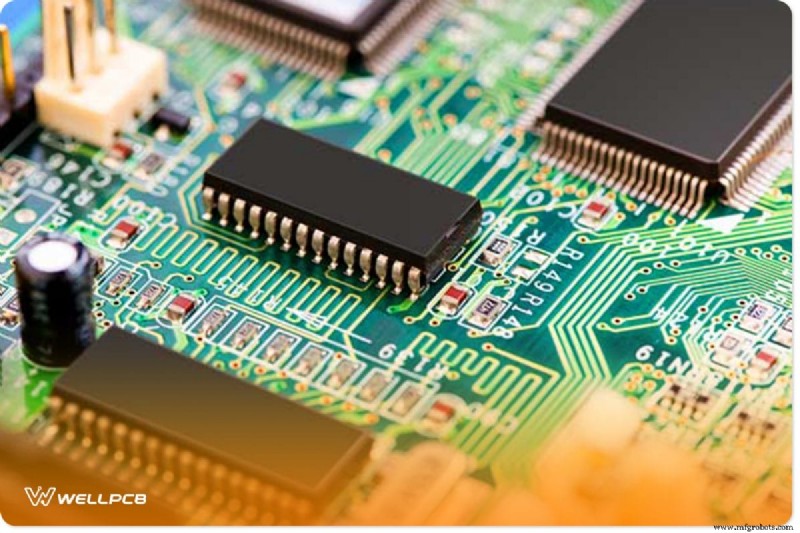
ICs consolidate numerous transistors on a single silicon die, dramatically reducing cost and footprint. Designers connect multiple ICs on a printed circuit board (PCB) to assemble complete systems.
To keep designs efficient, engineers minimize logic redundancy through Boolean algebra, Karnaugh maps, binary decision diagrams, and heuristic algorithms.
Representation
Designers use standardized symbols for gates and electronic switches, facilitating automated analysis via SPICE or other EDA tools.
Combinational vs. Sequential
Combinational circuits output depends solely on current inputs, whereas sequential circuits incorporate memory elements that retain state. Synchronous systems change state in lockstep with a clock; asynchronous systems react instantly to input changes.
Computer Architecture
Modern general‑purpose processors are predominantly synchronous, executing micro‑programmed control sequences that coordinate data flow across registers and ALUs.
Design Challenges
Analog parasitics—noise, capacitance, inductance—can disturb digital logic, requiring careful timing margin and layout design.
EDA Tools
Electronic Design Automation (EDA) software streamlines schematic capture, simulation, and fabrication layout, ensuring manufacturability and performance.
Testing and Validation
Functional and timing tests confirm that fabricated circuits meet specifications, detecting manufacturing defects early.
Evolution of Logic Families
From mechanical relays to modern CMOS, each logic family introduced trade‑offs in speed, power, and reliability.
Relays
Reliable yet slow, relay logic suffered from mechanical wear and limited fan‑out.
Vacuum Tubes
Vacuum tubes improved speed but generated significant heat and had limited lifespan.
Resistor‑Transistor Logic (RTL)
RTL offered low power and higher reliability, with a fan‑out of about 3.
Diode‑Transistor Logic (DTL)
DTL increased fan‑out to 7, further reducing power consumption.
Transistor‑Transistor Logic (TTL)
TTL achieved fan‑outs up to 20 and became the workhorse of early digital systems.
Emitter‑Coupled Logic (ECL)
Ultra‑fast ECL consumed more power, suitable for high‑performance CPUs.
CMOS
CMOS dominates today due to its speed, density, and low power draw, powering everything from microcontrollers to supercomputers.
Recent Breakthroughs
Memristors
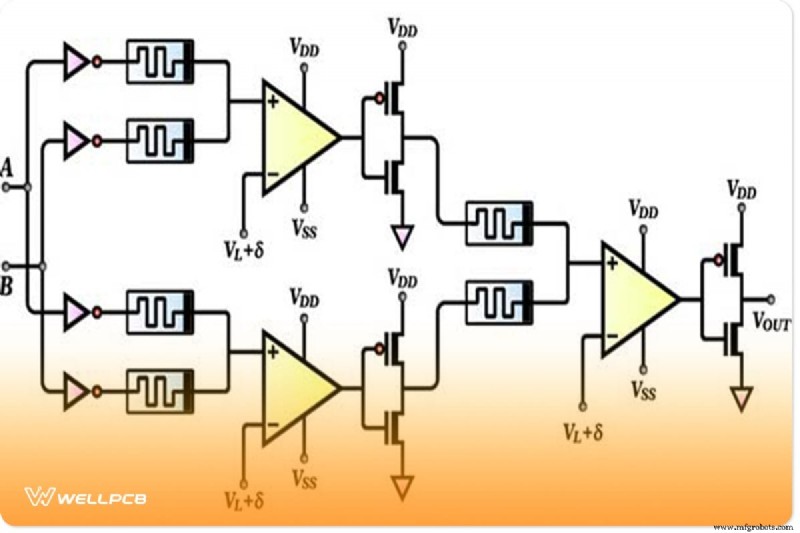
Since 2009, memristors have shown promise for dense, low‑power non‑volatile logic, complementing CMOS processes.
Rapid Single‑Flux Quantum (RSFQ)
Superconducting RSFQ circuits use Josephson junctions to achieve picosecond switching, opening pathways for ultra‑fast computing.
Optical Computing
Researchers are exploring all‑optical logic elements that process information using light, potentially surpassing electronic speed limits.
Conclusion
Digital circuits remain central to contemporary electronics, offering resilience against noise and continuous innovation. As research pushes into memristive, superconducting, and optical domains, the next generation of digital systems promises unprecedented performance.
Looking for tailored digital circuit solutions? WellPCB delivers high‑quality, custom designs worldwide. Visit our site to explore our services.
Industrial Technology
- Analog vs. Digital Computational Circuits: A Practical Guide
- Understanding Time‑of‑Flight Sensors: How ToF 3D Cameras Measure Distance
- Why PCBWay Is the Leading PCB Assembly Manufacturer
- Determine the Correct Voltage & Ampere Ratings for Switches, Plugs, and Outlets
- Understanding the Fourth Industrial Revolution: Transforming Modern Manufacturing
- Navigating IT Challenges in Modern Manufacturing: Strategies for Digital Transformation
- Step-by-Step Guide to Troubleshooting Faulty Equipment
- Accelerate Design with 3D Printing Prototypes: Boost Efficiency & Accuracy
- Engineers Leverage Affordable SBCs to Accelerate Industrial & IoT Product Development – Newark Survey
- Mastering Sheet Metal Bending: Fundamentals, Allowance, and Expert Tips