



Rigid‑Flex PCBs: Streamlining Assembly and Boosting Reliability
Rigid‑flex printed circuit boards (PCBs) are rapidly becoming the go‑to solution for high‑performance, space‑constrained electronics. By combining the robustness of rigid boards with the flexibility of flexible substrates, manufacturers can eliminate cables, reduce solder joints, and lower production costs while delivering unmatched reliability.
What Is a Rigid‑Flex PCB?

A PCB is the backbone of any electronic device, connecting components and enabling signal flow. While rigid PCBs have dominated the industry since the first commercial PCB in 1936, flexible PCBs have emerged as a game‑changer for applications demanding compactness and bendability. Rigid‑flex PCBs blend both technologies, offering a single, integrated substrate that can bend in predetermined zones without compromising signal integrity.
Key Advantages of Rigid‑Flex PCBs
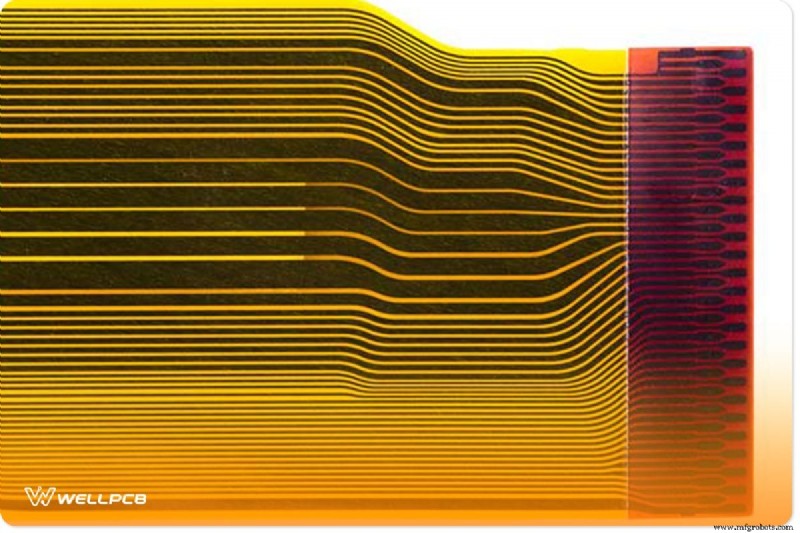
- Eliminated Cabling – Directly connect rigid sections, removing bulky cables and connectors.
- Reduced Solder Joints – Fewer solder points translate to higher long‑term reliability.
- Compact Design – Integrating rigid and flexible areas shortens board size and weight.
- Streamlined Assembly – Manufacturers can process the board in a single build step, cutting cycle time.
- Improved Thermal Management – Flexible sections dissipate heat more effectively than rigid harnesses.
Applications Across Industries
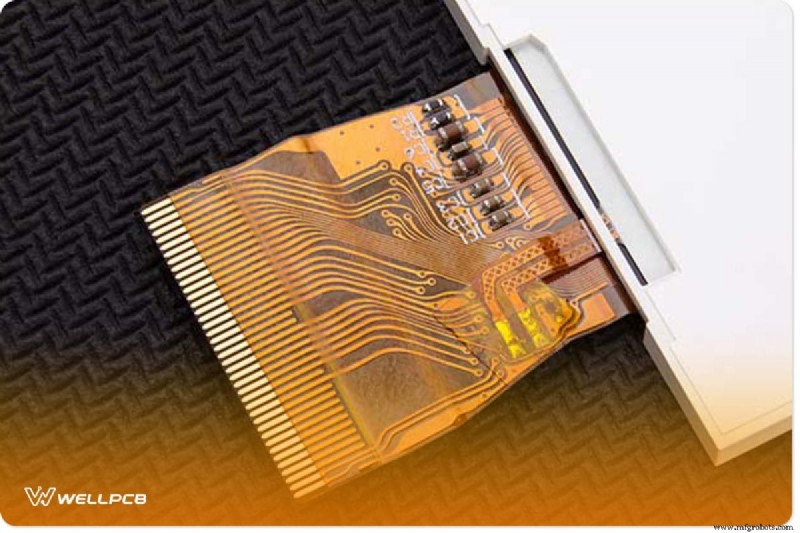
Rigid‑flex PCBs excel in environments where space, weight, and reliability are paramount. Common sectors include:
- Consumer Electronics – Hard drives, wearables, and mobile devices rely on rigid‑flex boards for high data rates and tight packaging.
- Retail & Logistics – Point‑of‑sale terminals and warehouse scanners benefit from the durable, flexible nature of these boards.
- Medical Devices – Implantable sensors, portable monitors, and diagnostic equipment demand the reliability that rigid‑flex technology delivers.
- Automotive & Industrial Automation – From engine control units to robotic actuators, these boards meet stringent vibration and temperature requirements.
WellPCB offers custom rigid‑flex designs ranging from 2 to 12 layers, with configurable dimensions and material options. Customers can specify polyimide thickness, copper weight, silkscreen color, and finish type to match their product specifications.
Choosing the Right Materials for Optimal Assembly

Material selection directly influences performance, durability, and cost. Three primary substrates are used:
- Polyester (PET) – Economical but limited to moderate temperatures.
- Polyimide (PI) – The industry standard; excellent dielectric constant, thermal stability up to 300 °C, and moisture resistance.
- Fluoropolymer (FEP) – Preferred for high‑frequency aerospace and military applications due to its low loss tangent.
Polyimide’s superior mechanical strength and electrical performance make it the default choice for most designers, especially in medical and automotive contexts where reliability is non‑negotiable.
Manufacturing Process Overview
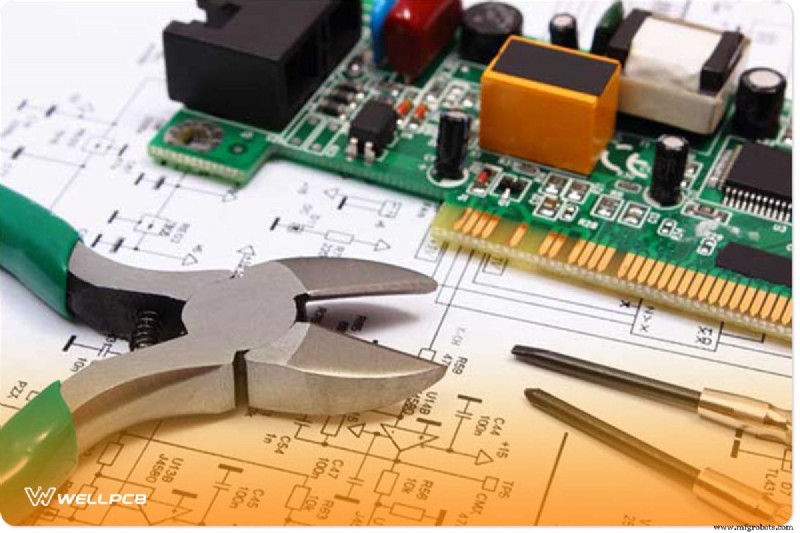
The core of rigid‑flex fabrication is the layer‑by‑layer stacking and lamination technique. A rigid FR4 outer layer is bonded to a flexible polyimide core using a pressure‑enhanced adhesive. Plated through‑holes (PTH) or buried vias connect the layers, while blind vias provide high‑density routing without adding surface area.
Embedded Technology for Space Savings
Embedded (or intra‑layer) manufacturing embeds micro‑circuit traces within the substrate itself, drastically reducing board size and improving signal integrity. By integrating blind and buried vias, designers can achieve higher component density and lower EMI.
Design Best Practices to Accelerate Assembly
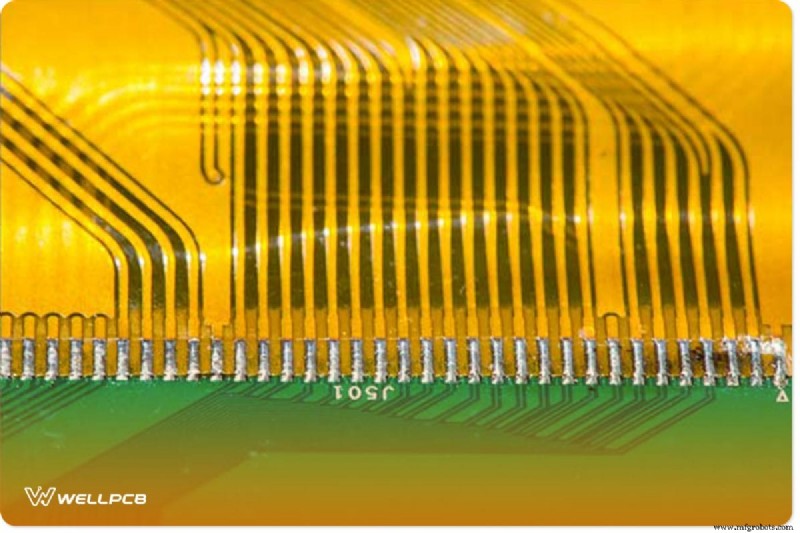
- Align Traces Perpendicularly – Position conductors at 90° to the flex axis for optimal bend radius.
- Use Stiffeners – Reinforce termination zones to maintain planarity during handling.
- Opt for Cross‑Hatch Ground Planes – Provides effective shielding with minimal copper usage.
- Avoid Through‑Holes Near Bend Zones – Through‑holes can act as stress concentrators and compromise flex integrity.
Conclusion
Rigid‑flex PCBs deliver superior reliability, reduced component count, and streamlined manufacturing compared to conventional boards. By selecting the right materials, following proven design guidelines, and partnering with a reputable manufacturer like WellPCB, you can bring high‑performance, compact products to market faster and with confidence.
Industrial Technology
- Top 5 Corrosion-Resistant Materials Every Manufacturer Should Know
- Rapid CNC Machining: 5 Common FAQs Answered
- Understanding Gear Cutting: Types and Processes Explained
- PCB Supply Chain Evolution: Why Availability Matters More Than Price
- 9 Proven Penetration Testing Methods for 2021: Safeguard Your Business
- Why Vacuum Casting Is the Ideal Choice for Rapid Prototyping
- How to Maintain Food Processing Equipment: 3 Proven Tips for Safety & Compliance
- High-Speed Machining: Key Advantages for Machined Part Manufacturing
- Understanding Electron Tubes: Components and Functionality
- Aluminum Gas Welding Explained: Techniques, Tips & Safety