



10 Expert Tips for Selecting a Reliable PCB Manufacturer in China
Modern electronics depend on high‑quality printed circuit boards (PCBs). With countless manufacturers in China, choosing the right partner can determine the success of your product. Below are ten evidence‑based criteria that will help you identify a trustworthy PCB supplier.
1. Verify Robust Production Guidelines
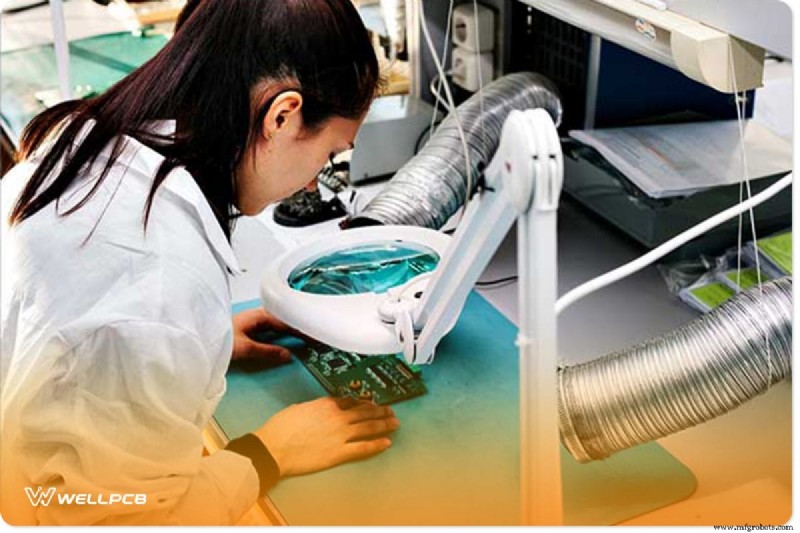
Top manufacturers follow ISO 9001‑based quality manuals and continuous training programs. These protocols reduce errors, maintain repeatability, and ensure that every board meets the same standards from first to last unit.
2. Assess Machine Technology and Accuracy
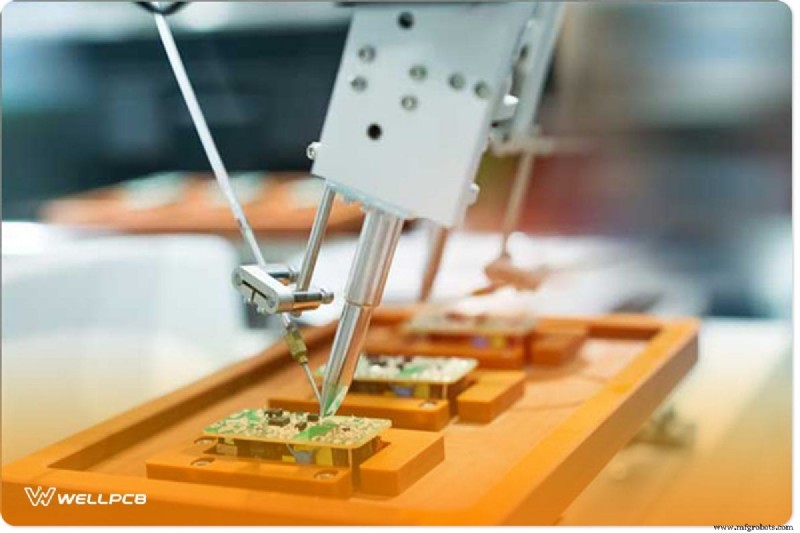
Choose a supplier that uses the latest CNC routers, pick‑and‑place machines, and reflow ovens. Modern equipment can handle ultra‑small 0201 components and offers precision that older machines can’t match. In‑house tooling also eliminates delays caused by outsourcing.
3. Inspect In‑House Quality Assurance
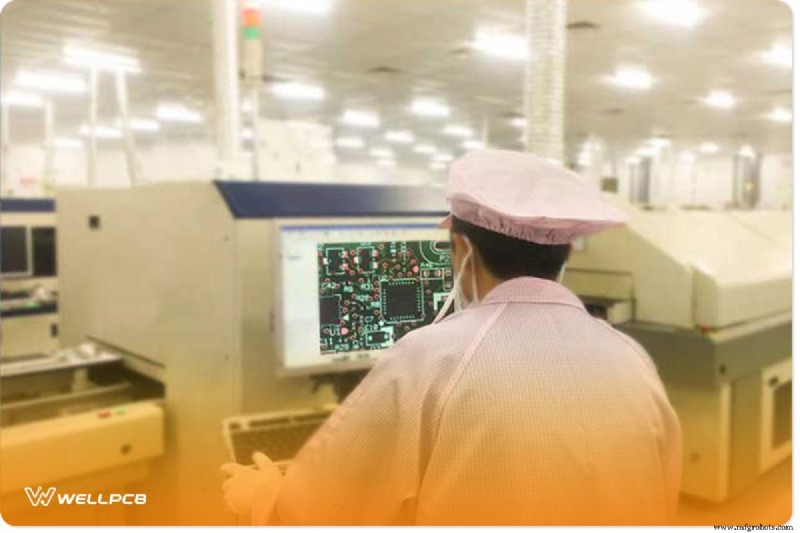
Reputable firms perform visual inspections—both manual and automated optical inspection (AOI)—and functional testing on every batch. Outsourcing testing is a risk; in‑house QA guarantees that defects are caught before shipment.
4. Check Production Line Capacity
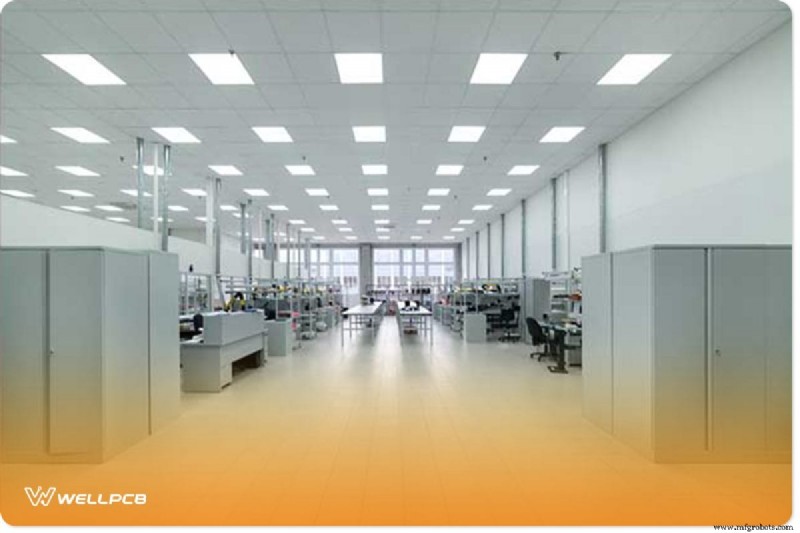
Large‑volume customers need manufacturers with several parallel lines to meet tight deadlines. Verify that the supplier has a contingency plan for peak orders and can scale without compromising quality.
5. Confirm Stock of Essential Components
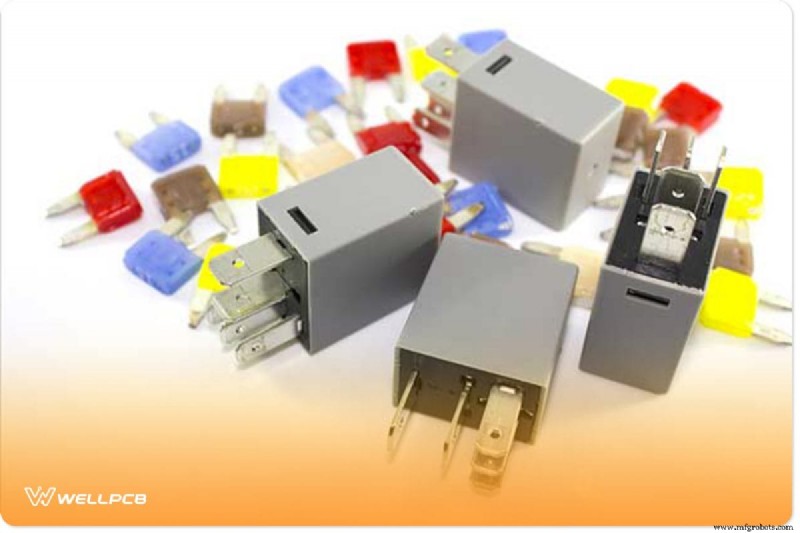
In‑house stock of standard parts (resistors, capacitors, diodes, transistors, inductors) speeds up lead times and reduces the risk of material shortages. A supplier that manages its own inventory can also negotiate better pricing on bulk orders.
6. Evaluate Prototype and Small‑Batch Capabilities
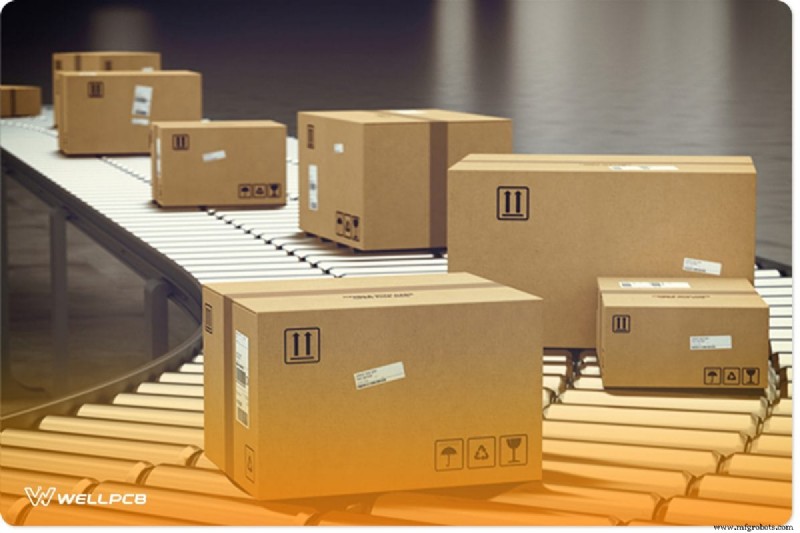
Before committing to mass production, test the manufacturer’s ability to produce prototypes and small runs. Consistency between prototype and production phases is critical for design validation and cost control.
7. Understand Lead Time and Yield Metrics
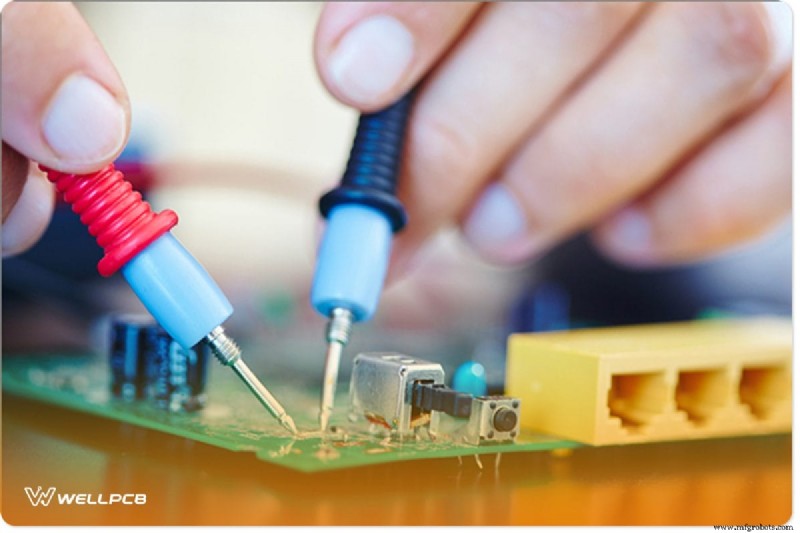
Ask for historical data on lead times and defect rates (typically expressed as a % per 100 units). A yield rate below 1% is standard for high‑quality PCBs. Transparent metrics build trust and help you plan schedules.
8. Verify Solder Paste Application Method
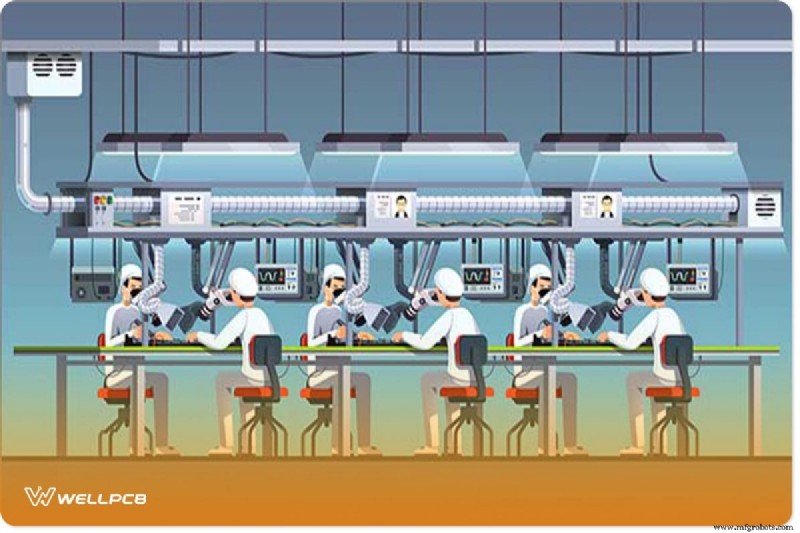
Automated or semi‑automatic solder paste dispensers reduce human error and improve repeatability. Manual application is acceptable only if operators are highly skilled and the process is tightly controlled.
9. Confirm Skilled Pick‑and‑Place Operators
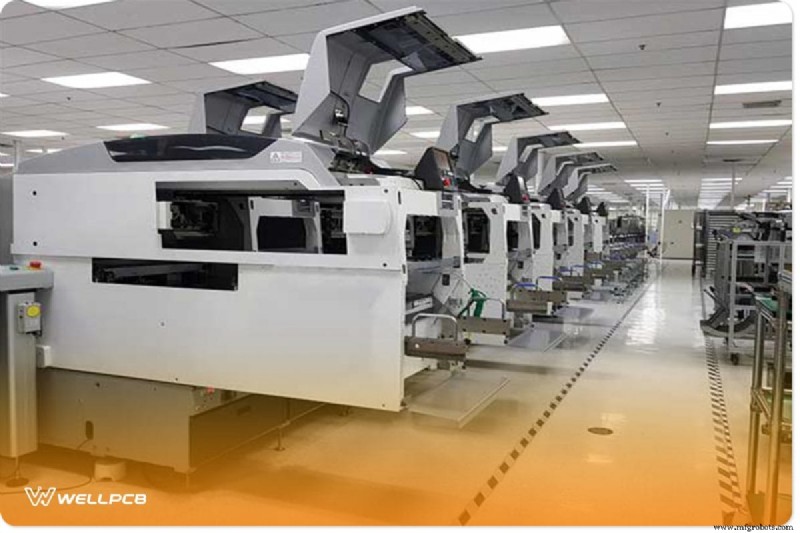
Even with advanced machines, some components require hand placement. Ensure the manufacturer’s technicians have the training and tools (e.g., microscopes) to handle delicate or custom parts reliably.
10. Ensure Lead and Lead‑Free Production Separation
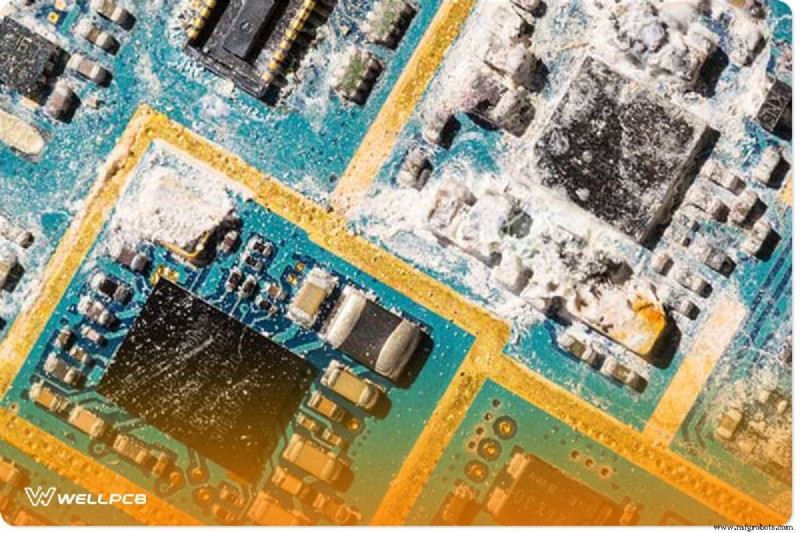
Physical separation of lead and lead‑free lines prevents cross‑contamination. Certified factories use dedicated equipment, clean rooms, and clear labeling to maintain compliance with RoHS and other regulations.
Storage and Shipping Standards
China’s high humidity can damage PCBs. Reputable suppliers vacuum‑seal packages and use silica gel packs to keep moisture at bay. Verify that all shipped boards arrive in sealed containers, protecting them from oxidation.
Why WELLPCB?
WELLPCB combines ISO‑9001 certified processes, state‑of‑the‑art equipment, and a team of experienced engineers to deliver turnkey PCB solutions. From material selection to final testing, we provide end‑to‑end services that meet the highest industry standards.
Questions? Reach out to our experts at [email protected] and let us help you build reliable, high‑performance electronics.
Industrial Technology
- Mitigating Risks When Converting Standard to Metric Tolerance Charts
- Fiber Orientation in Composites: Why It Matters for Strength and Performance
- Durable Custom Polyurethane Valves for HPHT Flow Control – Engineered for Long-Term Performance
- Does Your Steel Fabrication Partner Deliver on Demand? Key Indicators to Check
- Ball Grid Array (BGA): Key Acceptance Criteria and Advanced Inspection Techniques
- Cut Costs in Structural Steel Fabrication Without Sacrificing Quality
- Building Resistor Circuits: From Alligator Clips to PCBs
- Will Factories Become Fully Automated? Examining the Shift Away from Human Workers
- Understanding Breadboards: How They Work & Why They're Essential for Prototyping Electric Circuits
- CH304G USB Interface Chip: Features, Applications, and Schematic Overview