



Choosing the Right CNC‑Machined Plastic: A Practical 3‑Step Guide to the Top 5 Materials
From lightweight automotive brackets to clean medical instrument housings, plastic parts are silently powering some of the world’s most demanding industries. The global demand for precise plastic components has increased substantially and CNC machining has become one of the manufacturing processes of choice—particularly when tight tolerances, flawless surface finishes and short lead times are non‑negotiable.
So, what plastics are best for CNC machining? The real answer is: it depends on your use case. But a few of engineering plastics continue to show up in thousands of real‑world projects. This guide leverages practical engineering experience to bring you through the top five plastic materials for CNC machining and help you match the right one to your particular project requirements.
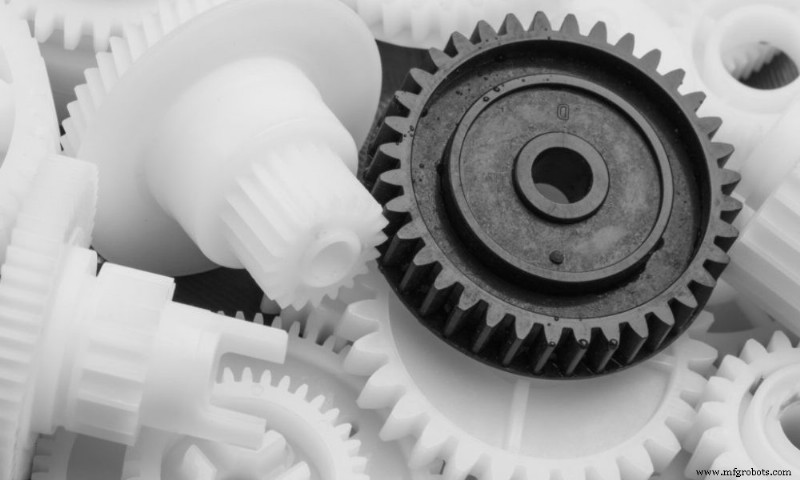
Why Use CNC Machining for Plastic Parts?
CNC machining delivers dimensional accuracy and surface quality that few other methods can match. Unlike 3‑D printing, a CNC‑machined part retains the full mechanical integrity of the raw material—no layer lines, no internal voids, and a smoother finish straight from the table. Compared with injection molding, CNC machining eliminates costly tooling and mold set‑up, making it ideal for prototypes, low‑ to mid‑volume production, and complex geometries.
In short, when precision, material integrity, and speed‑to‑market all matter, CNC plastic machining is hard to beat.
Top 5 Plastics for CNC Machining and Their Applications
Almost any engineering plastic can be machined, but ABS, Nylon (PA), POM (Delrin), Polycarbonate (PC) and PEI (Ultem) consistently rank highest in real‑world use. They combine excellent machinability, mechanical strength, cost efficiency, and versatility. Below is a concise overview of each.
ABS: the Workhorse of Prototyping
- Key Features: ABS (acrylonitrile butadiene styrene) is the most familiar engineering plastic. It is inexpensive, offers good impact resistance, but is not ideal for high‑temperature or prolonged UV exposure unless protected.
- Machinability: It cuts cleanly, holds tight tolerances, and is easy to post‑process with paint, bonding or surface finishing.
- Common Applications: Functional prototypes, consumer‑product housings, automotive interior trims, and electronic enclosures.
Nylon (PA): The Solution for Friction and Wear
- Key Features: Ideal for parts under long‑term mechanical stress. It offers excellent wear resistance, low coefficient of friction and reasonable chemical resistance.
- Machinability: Generally machinable, but nylon absorbs moisture from the air, which can cause dimensional changes over time. Discuss environmental conditions with your machining partner for tight‑tolerance parts.
- Common Applications: Gears, bushings, bearings and structural brackets where metal would be overkill and softer plastics would fail too quickly.
POM (Delrin): Excellent Dimensional Stability
- Key Features: POM (polyoxymethylene) is affordable and absorbs very little moisture, providing superior dimensional stability across humidity changes.
- Machinability: A machinist’s favorite. It cuts cleanly, maintains tight tolerances, and its low‑friction surface often eliminates the need for extensive post‑processing.
- Common Applications: Precision gears, cam mechanisms, bushings and any part that must retain repeatable dimensions over thousands of cycles.
Polycarbonate (PC): Toughness and Clarity Unbreakable
- Key Features: One of the toughest technical polymers, PC is also optically clear, allowing structural strength and visual clarity simultaneously.
- Machinability: Requires careful control of feed rates and spindle speeds to avoid stress cracking. Proper parameters yield excellent results.
- Common Applications: Optical lenses, protective covers, fluid‑management housings and medical device components.
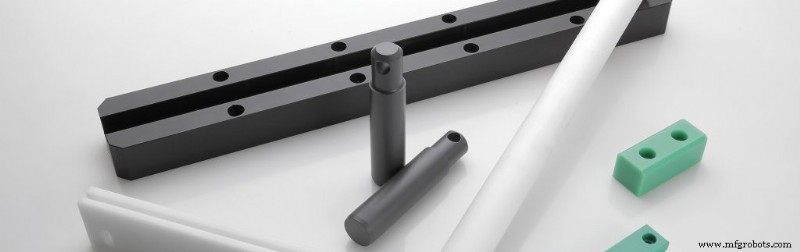
PEI (Ultem): Exceptional Performance Under Extreme Conditions
- Key Features: PEI (polyetherimide) excels at high temperatures (>170 °C), high load and chemical resistance, and is inherently flame‑retardant. Its cost is higher, however.
- Machinability: One of the most challenging plastics to process. Consistent results demand precise tooling geometry and controlled cooling.
- Common Applications: Aerospace structural components, surgical tools and semiconductor processing equipment.
Choosing the Right Plastic Material for Your CNC Machining Project
When narrowing down your options, focus on three foundational questions:
- Mechanical loading: What impact, friction or tensile stresses will the part experience?
- Environmental exposure: Will it encounter high temperatures, chemicals, dampness or UV light?
- Budget: What is your maximum unit cost and required volume?
Use the table below as a quick reference:
Comparison Table
Type of Plastic | Standout Feature | Machinability | Relative Cost | Best For
ABS | All‑rounder, high impact | ⭐⭐⭐⭐⭐ | Low | Consumer goods, automotive trims
Nylon (PA) | Wear & tear resistance | ⭐⭐⭐⭐ | Medium | Gears, bearings, structural parts
POM (Delrin) | Low friction, excellent machinability | ⭐⭐⭐⭐⭐ | Low‑medium | Gears, bushings, tight‑tolerance parts
PC | Transparency, toughness | ⭐⭐⭐ | Medium | Lenses, transparent covers
PEI (Ultem) | Extreme heat/strength | ⭐ | (Requires expertise) | Very high | Aerospace parts, medical instruments
Beyond Material Selection: Turning Your Design into Flawless Parts
Choosing the right material is just the first step. Because plastics have lower thermal conductivity than metals, heat accumulates around the cutting zone during machining. Poorly controlled parameters can lead to deformation, chipping or stress cracking—often without obvious visual clues.
For example, when machining PC or ABS, incorrect feed rates or spindle speeds can cause softened material to adhere to the cutting edge, forming a built‑up edge (BUE). This degrades dimensional accuracy and surface finish over successive passes. The risk is even greater with PEI, where inadequate temperature control and tool geometry can create subsurface microcracks that fail under load.
That’s why an experienced CNC plastic machining partner is essential. JTR’s engineering team has delivered projects ranging from standard ABS and nylon parts to high‑performance PEI components for aerospace and medical applications. With more than 70 CNC machining centers, from 3‑axis to 5‑axis, we proactively identify manufacturing risks and refine parameters before production begins.
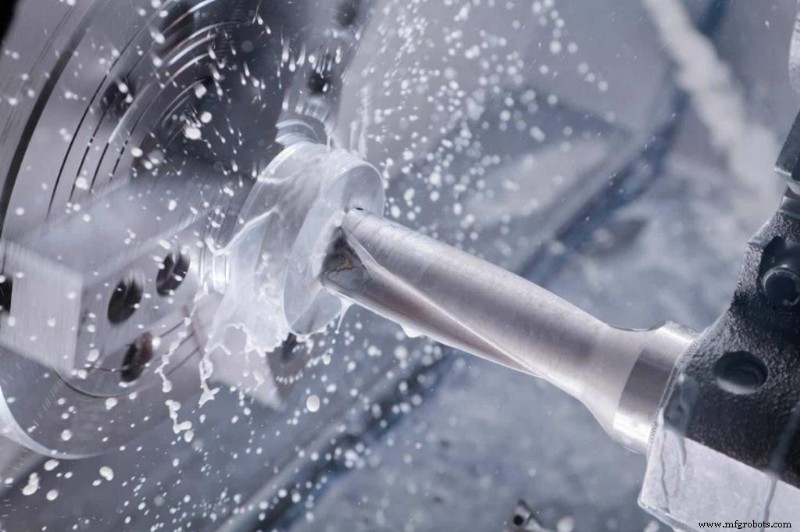
Ready to Make Your Plastic Parts Come to Life?
If you need the flexibility of ABS, the wear resilience of nylon, the accuracy of Delrin, the optical purity of PC or the extreme performance of PEI, the material choice will determine whether the component meets its performance targets the first time—without unnecessary cost.
Not sure which plastic suits your specs? Don’t leave it to chance. Send your CAD files or contact JTR’s engineering team for a free manufacturability review and custom material selection. We’ll help you move from design file to final CNC plastic parts as swiftly as possible—saving you setup and fixture costs.
Related Guides
Industrial Technology
- Key Elements of Modern Steel Building Construction
- Three Key Innovations Revolutionizing Smart Logistics
- Foundations of Network Theorems: Simplifying Circuit Analysis
- Industry 4.0 for Marketers: Key Insights and Practical Strategies
- Protocase Expert Tip: Choosing the Right Handles for Your Custom Enclosure
- Step‑by‑Step Guide to Installing a 3‑Phase 60A NEMA 18‑60 Receptacle (120/208 V)
- Transform Your Supply Chain: Boost Delivery Speed and Customer Satisfaction with Industry 4.0
- Industry 4.0 Explained: History, Benefits, and Key Technologies
- Mastering PID Temperature Controllers: A Step‑by‑Step Guide to Design and Implementation
- Three Ways Collaborative Freight Tech Boosts Supply Chain Resilience Amid COVID-19