



Deciding Between Modifying an Existing Injection Mold or Building a New One: A Practical Guide
Published on May 31, 2022
Originally published on fastradius.com on May 31, 2022
Injection molding remains the leading mass‑production method for creating large volumes of identical plastic parts. While the upfront tooling cost can be significant, the per‑unit price drops sharply as volume rises, often achieving the lowest possible costs in the market.
A complete injection mold system is composed of a mold base and one or more core‑cavity insert sets. The term “mold” is frequently used to describe the core‑cavity pair that actually shapes the part.
For products already in production, existing molds can be reused for new runs, keeping unit costs low. A well‑designed, plated mold can withstand up to one million shots before maintenance is required.
However, if you need to modify the design, change the material, or resize the part, the original mold may no longer be suitable. Rather than immediately opting for a brand‑new mold, consider whether a targeted modification could meet your needs.
Does making a new injection mold cost more than modifying an existing injection mold?
In many cases, both new and modified molds can achieve the desired outcome, but the cost of a brand‑new mold is typically higher. Simple tooling for a low‑volume run may range from $2,000 to $5,000, while full‑scale production of a complex part can cost tens of thousands of dollars—or even exceed $100,000—depending on size, complexity, cavity count, and mold material.
Significant design changes are expensive because of the high tooling cost and the long lead time involved. You may need to invest thousands of dollars each time you alter the design and wait five to seven weeks (or longer for intricate systems) for the new mold to be manufactured, which can affect revenue and customer satisfaction.
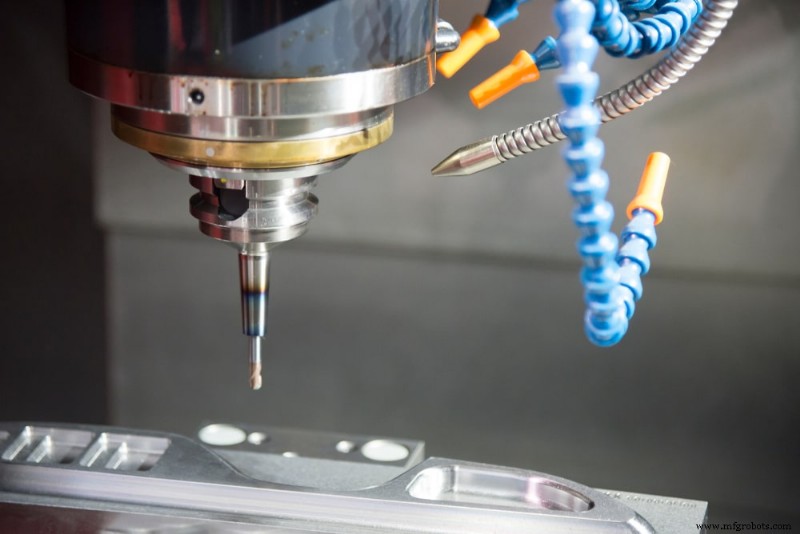
Given these constraints, modifying an existing mold can often save both time and money.
When should you modify an existing injection mold?
Creating new tooling from scratch is costly and time‑consuming. In many scenarios, however, you can adjust an existing mold:
- Increasing the size, shape, or wall thickness of the final product. While adding metal to the interior can be expensive, you can also reduce internal metal to enlarge the part or thicken walls. A mold‑flow analysis should be performed to evaluate the risk of sink marks.
- Adding a small part or feature. If space permits and the inserts are well designed, a minor feature can be incorporated without a full redesign.
Consult with your engineering team if your mold has polished or plated inserts, numerous side actions with precise timing, or multiple interchangeable inserts, as these features may complicate modifications.
If you anticipate future changes, inform your manufacturer at the start of the design process to streamline future adjustments.
When should you make a new injection mold?
There are situations where a new mold is unavoidable:
- Reducing the size or shape of the product. Adding metal to an existing mold is costly, so downsizing typically requires new core‑cavity sets.
- Changing materials. Switching to a material with different shrinkage characteristics may necessitate a new mold to maintain dimensional tolerances.
- Altering the parting line. Changes to the parting line affect vents and gates, often requiring a new set of inserts.
Injection molding with SyBridge
Choosing whether to modify an existing mold or build a new one is a critical decision that can influence your bottom line and customer satisfaction. Our experts help you avoid common design pitfalls, saving you time and money. We support you through design, testing, and production, whether you opt for a mold modification or a brand‑new mold.
Upload your part to start your next injection‑molding project today, or contact us to discover how we can fulfill your manufacturing needs.
Industrial Technology
- Why Capacitors Beat Inductors: Lower Loss, Compact Size, and Superior Isolation
- Safeguarding Fleet Drivers Amid COVID-19: Essential Safety & Compliance Strategies
- Synergizing Lean Production with Industry 4.0: Bosch’s Proven Success
- CNC Machining Explained: 3‑Axis, 5‑Axis Indexed, and 5‑Axis Continuous – Which Is Right for Your Project
- Top B2B Manufacturing Marketing Stats: Boost Sales & Alignment
- Debunking the Top 5 Myths About IoT in Manufacturing
- Practical Considerations in Transformer Design: Power, Losses, and Performance
- Unlock 5 Key Benefits of a Supply-Chain Audit for Your Warehouse
- Synchronizing DC Generators: Best Practices for Parallel Operation and Load Sharing
- Boost Efficiency with Cobots: 3 Proven Ways Collaborative Automation Transforms Your Manufacturing Shop