



Mastering Injection Molding with High‑Temperature Engineering Plastics
Published on December 13, 2021
Originally published on fastradius.com on December 13, 2021
Injection molding remains the industry’s fastest, most cost‑effective solution for high‑volume, precision parts. While the process has traditionally used lower‑grade plastics, modern product teams are increasingly turning to high‑performance engineering polymers that offer superior mechanical and thermal characteristics.
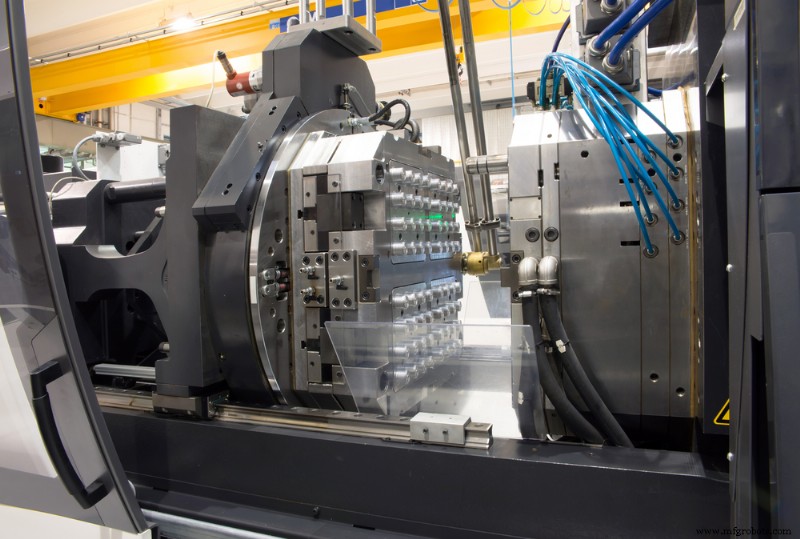
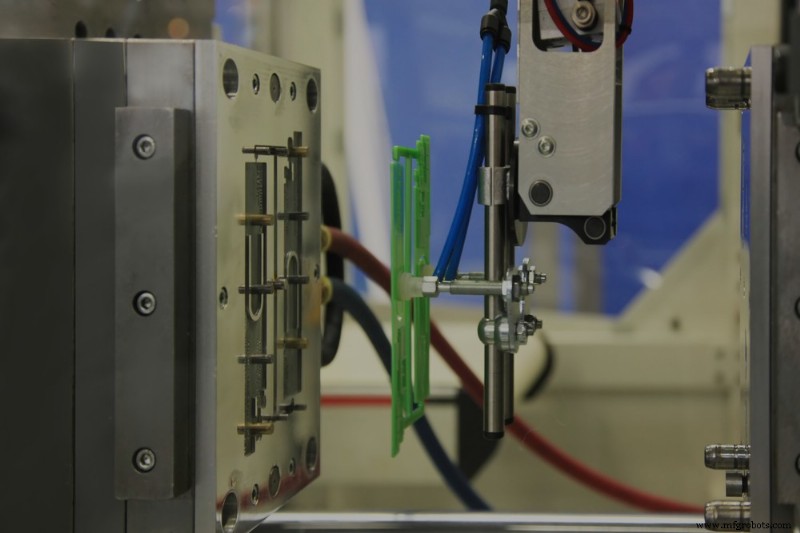
Working with high‑temperature plastics demands stronger molds that can withstand extreme processing temperatures. Your manufacturing partner will typically design and fabricate the mold based on your CAD data, but understanding the unique challenges and critical design decisions can help you avoid costly re‑runs and quality issues. Below is a comprehensive guide to injection molding with high‑temperature materials.
Common High‑Temperature Plastics
Engineering plastics with melting points ranging from 216 °C to 382 °C are increasingly replacing metals in sectors such as automotive, aerospace, and electronics. They combine low weight, corrosion resistance, and excellent dimensional stability.
Polyetheretherketone (PEEK) is a crystalline polymer that can absorb significant heat. With a melting point of 343 °C and UL 94 V‑0 flammability, PEEK allows higher processing speeds and quick burnout. Its low smoke output, creep resistance, and fatigue tolerance make it ideal for high‑temperature, high‑stress environments.
ULTEM® (PEI) is an amorphous resin that bonds easily, has a melting point of 218 °C, and retains mechanical integrity at elevated temperatures. Its V‑0 flammability rating and minimal smoke emission suit aerospace and high‑performance electronic applications.
1. Include Heat‑Transfer Channels
Equidistant cooling and heating channels in the mold cavity ensure uniform temperature control, reducing cycle times and preventing warpage. Design the channels so each cavity receives the same flow rate, allowing rapid temperature adjustments before ejection.
2. Use Thermal Pins
When channel placement is constrained by protrusions or complex geometry, thermal pins—cylindrical inserts with sealed fluid—can bridge inaccessible areas to the main heat‑transfer network. These pins can transfer heat up to ten times faster than copper, helping maintain a stable interior temperature without altering coolant pressure.
3. Select the Right Mold Material
Choosing a mold material that balances machinability, cost, and abrasion resistance is crucial. High‑strength steels such as H‑13, S‑7, or P20 are optimal for large‑volume runs, while aluminum tooling offers a cost‑effective solution for prototypes. Materials with lower thermal conductivity will require additional cooling channels and may necessitate higher temperature fluids.
Make New Things Possible with SyBridge
High‑temperature plastics unlock design freedom that metal cannot match. An experienced injection‑molding partner can navigate the complexities of material selection, mold design, and process optimization to deliver parts that meet stringent performance criteria.
At SyBridge, we guide you from concept to production, ensuring that every mold is engineered to handle the demands of high‑temperature polymers. Contact us today to accelerate your project.
Industrial Technology
- How to Host a Reliable Web Server on a Raspberry Pi – Step‑by‑Step Guide
- Elevate Your Supply Chain with Digital Network Platforms
- Scalable Custom API Strategies for Enterprise Growth
- Revolutionizing Production: How Digitalization Drives Efficiency and Innovation
- Private Cellular Networks: The Key to Unlocking Industry 4.0
- 5 Cutting‑Edge 3D Printing Innovations Driving Sustainability
- Expert Fabrication of a 20‑Foot Glass Furnace Support Structure
- Who Holds IP Responsibility in the Supply Chain? Clarifying Rights and Risks
- Precision Ultrasonic Transducer Circuits for Accurate Object Detection
- Flexible Flat Cables: Elevate Your Designs with Lightweight, High‑Performance Connectivity