



Insert Molding: Comprehensive Process Guide & Design Best Practices
Modern manufacturers increasingly combine plastics with metal or other compatible materials to produce parts that are lighter, more wear‑resistant, and stronger. Insert molding—a refined form of plastic injection molding—allows engineers to embed metal or other inserts into a plastic matrix, yielding products with superior tensile strength and reduced weight.
Understanding the insert molding workflow, its benefits, and its limitations is essential for achieving high‑quality parts. This article outlines the definition of insert molding, discusses its advantages and constraints, showcases typical applications, and offers practical tips for successful implementation.
What is Insert Molding?
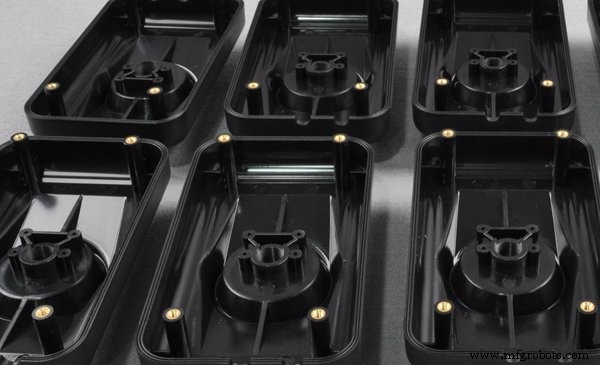
Insert molding is a plastic injection molding technique that places a metal or other insert into the mold cavity before the molten plastic is injected. The plastic surrounds the insert under high pressure, bonding it as it cools into a single, solid component.
Because the metal insert remains integrated within the plastic, the resulting part is both strong and lightweight. The process is widely adopted across many industries thanks to its compatibility and efficiency.
Common Insert Molding Materials
Insert molding is compatible with a broad spectrum of polymers, thermosets, and elastomers, selected for their mechanical, electrical, and processing properties.
- Thermoplastics: Polypropylene (PP), Nylons (PA), Polycarbonate (PC), ABS, Polyethylene (PE), Acetal
- Thermosets: Polyester, Epoxy, Melamine‑Formaldehyde, Urea‑Formaldehyde
- Elastomers: Polyurethane, Natural Rubber
Steps for the Plastic Insert Molding Process
While the core of insert molding mirrors conventional injection molding, the added step of inserting the component changes the workflow. The process unfolds as follows:
1. Load Selected Inserts into the Mold
Careful positioning of inserts during mold design ensures they remain oriented correctly throughout the cycle. Two loading methods are common:
Two Methods for Loading Inserts into the Mold
Automatic Insertion: Robots or automated systems place the insert with high precision, enabling faster turnaround and consistent repeatability—ideal for high‑volume production.
Manual Insertion: Hand loading is suitable for low‑volume runs and allows operators to inspect and adjust each insert, reducing tooling costs but offering less precision.
2. Inject the Molten Plastic into the Mold
The injection unit delivers molten plastic into the cavity at high pressure, forcing the material to envelop the insert and evacuate trapped air through venting. This ensures a uniform, defect‑free bond.
3. Open the Mold and Eject the Molded Part After Cooling
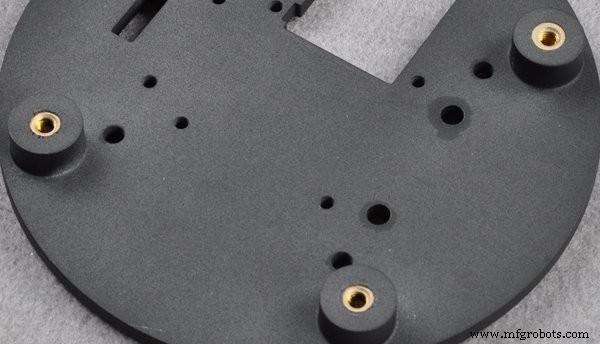
Once the plastic solidifies, maintaining holding pressure mitigates shrinkage and prevents backflow. The mold then opens, and the insert‑molded part is ejected.
4. Separate the Molded Part From the Sprues
Sprues, which feed the material into the cavity, are trimmed from the finished part with care to avoid damage.
5. Post‑Molding Operations
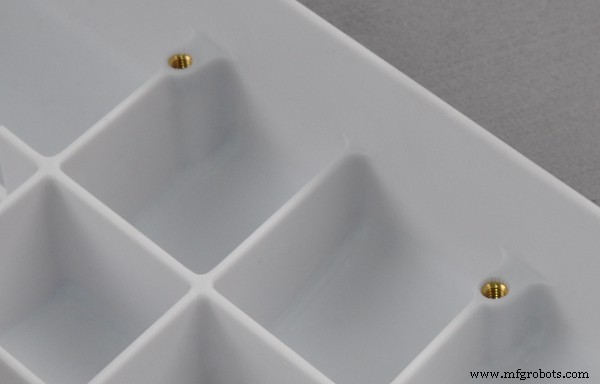
Typical post‑processing steps improve dimensional accuracy and surface quality:
- Deburring: Removing excess material to restore precise geometry.
- Heat Treatment: Relieving internal stresses by cycling temperatures 10–20 °C below the polymer’s deformation point.
- Humidity Control: Immersing parts in 80–100 °C water to stabilize dimensions and prevent oxidation.
Design Considerations for Insert Injection Molding
Insert molding offers many benefits but also presents unique design challenges. Consider the following factors to ensure optimal results:
Examine the Cost/Budget
Cost analysis should include the purchase of inserts, mold setup, and operator labor. Adding an insert typically increases per‑unit cost; balancing performance gains against budget constraints is essential.
Identify Properties of the Selected Insert
Insert materials must withstand the high temperatures and pressures of molding. Evaluate material composition, dimensions, and surface finish to ensure compatibility and robust bonding.
Insert Location
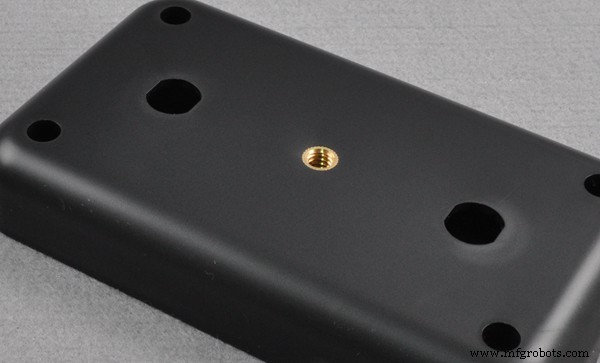
The placement of an insert dictates the forces it will experience during use. Positioning it where load is greatest and ensuring sufficient plastic volume for support are critical.
Narrow Gap Between Metal Inserts
Keeping the clearance between adjacent inserts minimal promotes complete plastic flow and a solid bond, preventing voids and enhancing structural integrity.
Choose the Appropriate Material
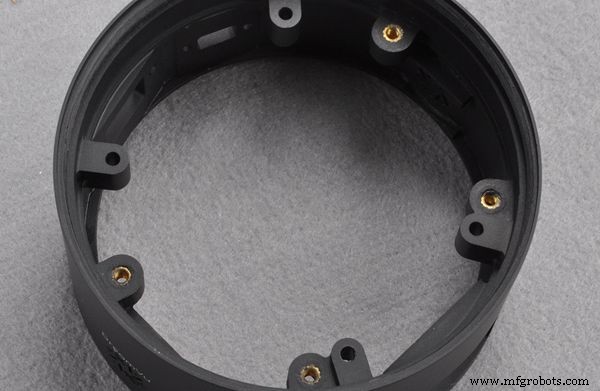
Matching the plastic to the insert material is key. Common combinations include Nylon, ABS, PC, and polyethylene for plastic, with brass or steel for metal inserts.
Use the Right Mold
A well‑engineered mold guarantees uniform plastic flow and secure insert placement. Rounded corners help avoid stress concentrations and promote defect‑free parts.
Advantages and Disadvantages of Insert Molding
Insert molding delivers several strategic benefits:
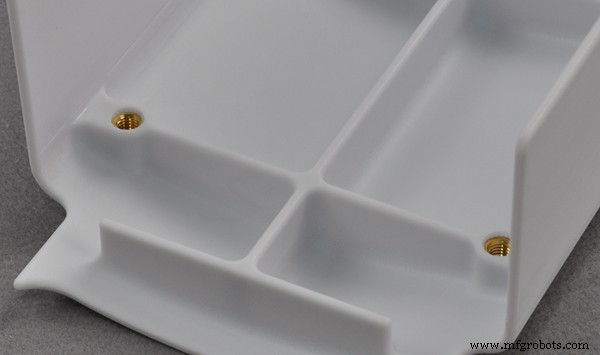
- Reduces assembly time and labor costs by integrating the insert during molding.
- Lightens product weight while maintaining or enhancing strength.
- Provides designers with greater freedom to combine materials and shapes.
- Improves mechanical performance through metal reinforcement.
However, there are trade‑offs to consider:
- Designing and tooling are more complex and costly.
- Differential thermal expansion between insert and plastic can lead to stress or warping.
- Inaccurate insert placement may cause defects.
- Cycle times increase because inserts must be positioned before each cycle.
Applications of Insert Molding Parts
Insert‑molded components are used across diverse sectors:
Automotive
Automakers replace heavy metal parts with lightweight insert‑molded components such as threaded fasteners, gears, and electrical sensors, improving fuel efficiency and durability.
Consumer Electronics
Manufacturers eliminate fasteners and soldering by embedding connectors, knobs, and wiring within plastic housings, simplifying assembly and reducing costs.
Medical Devices
Insert molding facilitates the production of sterilizable, high‑precision parts—dental instruments, tubing, enclosures, and surgical tools—while keeping costs low.
Insert Molding vs. Overmolding
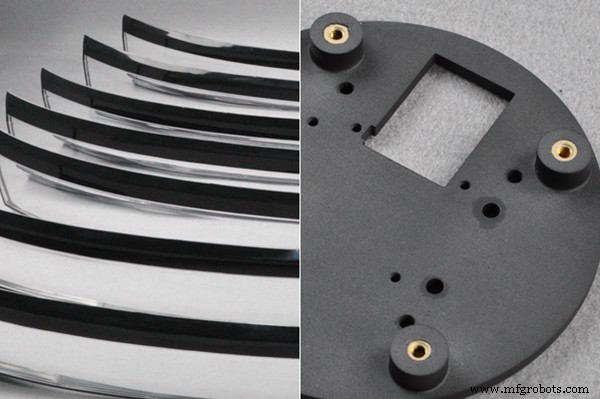
Both techniques integrate two materials, but they differ fundamentally:
Insert Molding: A single‑shot process that surrounds a pre‑formed insert, offering speed and material savings.
Overmolding: A two‑shot process where a secondary material (often rubber‑like) coats a primary plastic, adding cushioning or aesthetics at higher cost.
Partner with Experts for Insert Molding & Overmolding
WayKen delivers rapid, reliable insert‑molded and overmolded solutions. Our experienced molders, engineers, and QA specialists ensure each part meets your exact specifications.

Conclusion
Insert molding remains a cornerstone of modern manufacturing, enabling cost‑effective, high‑performance parts that fuse metal and plastic. By following best design practices and leveraging expert partners, you can unlock the full potential of this versatile process.
FAQs
Why are inserts important in injection molding?
They enhance strength and durability by adding high‑performance metal elements to the plastic matrix.
Is insert injection molding compatible with large parts?
It excels at small to medium‑sized components; larger parts pose tooling and placement challenges.
What are the common inserts used in insert injection molding?
Typical inserts include metal fasteners, electrical connectors, switches, buttons, and supplementary plastic pieces.
Industrial Technology
- RFID in Inventory Management: Advantages, Challenges, and ROI Insights
- Carriage Bolts Explained: A Complete Beginner’s Guide
- Why Prototyping PCBs Is Essential for Faster, Cost‑Effective Production
- MIG vs TIG Welding: The Definitive Guide to Choosing the Best Method
- Revolutionary CPU Technique Cuts Heat Production by Syncing Tasks with Temperature Oscillations
- Automation: The Key to Cutting Food Waste in Supply Chains
- Binary Overflow: How Sign Bits Affect Binary Addition
- The Resurgence of Reverse Auctions: Empowering Suppliers in Price Wars
- IoB Interviews Jessica Tyler – President of Cargo & VP Operations Innovation at American Airlines
- Plasma Cutting vs Laser Cutting: Choosing the Right Technique for Your Project