



Understanding Injection Molding Costs: Key Factors & How to Cut Expenses
Injection molding is a versatile manufacturing process that can produce anything from a single prototype to millions of parts. However, there is no single “price tag” – costs vary widely depending on tooling, materials, volume, and design complexity. The following guide breaks down the major cost drivers and offers proven strategies to keep your budget in check.
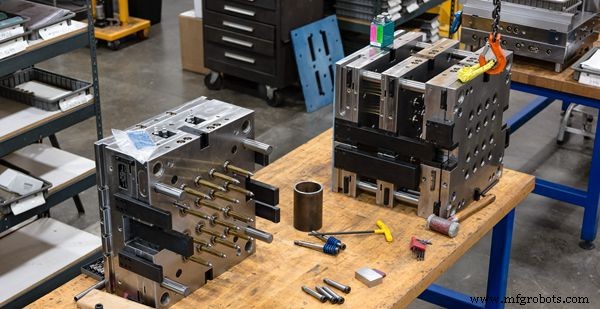
1. Tooling Investment
Creating the mold and its base is the most significant upfront cost. The chosen manufacturing method determines the price and the level of precision you can achieve.
CNC Machining
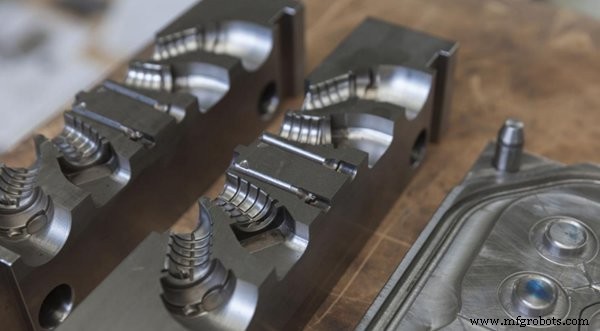
CNC machining is ideal for aluminum or steel molds. It uses high‑speed cutting tools to shape the block, delivering tight tolerances and repeatability at a reasonable cost.
EDM (Electrical Discharge Machining)
EDM excels at producing intricate features and tight tolerances by eroding metal with controlled electrical sparks. It’s limited to metal molds but offers unparalleled accuracy for complex geometries.
3D Printing
Rapid‑prototype 3D printing can produce mold cores quickly and cheaply, especially for low‑volume runs. The trade‑offs are limited build size and potential shrinkage, but labor costs are reduced.
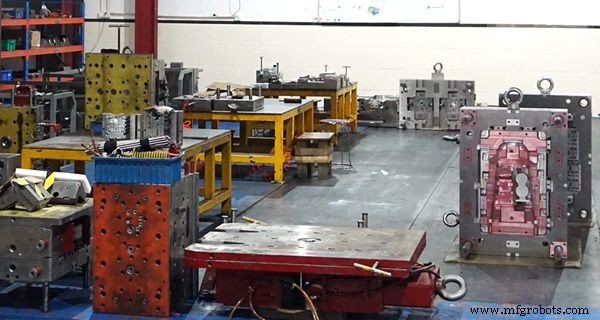
2. Machine Selection
Choosing the right injection molding machine impacts both capital and operating expenses. Consider the following types:
Electric Injection Molding Machines
These machines use electro‑servo motors for precise control, lower energy consumption, and reduced maintenance. They are cost‑effective in the long run but carry a higher initial purchase price.
Hydraulic Injection Molding Machines
Hydraulic systems are robust and offer consistent pressure, making them ideal for high‑volume runs. They are cheaper to buy but can be less precise and consume more energy.
Hybrid Injection Molding Machines
Hybrids combine electric and hydraulic technologies, delivering high precision and energy efficiency. Their upfront cost is high, and they require complex maintenance.
For many businesses, outsourcing to a specialist service provider can be more economical than investing in a machine, especially for intermittent production.
3. Resin and Additive Costs
Injection molding supports a wide range of thermoplastics—PC, ABS, PU, PP, PE—and the price per kilogram typically falls between $1 and $5. The final cost depends on the amount of material required and any additives for color, flame resistance, or impact strength.
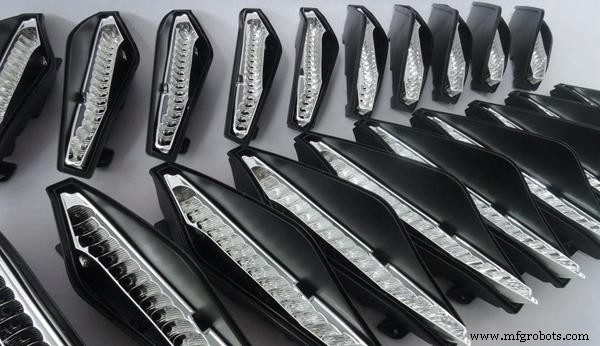
4. Part Design and Production Variables
The design, size, and volume of your part directly influence molding costs. Understanding each variable can help you optimize the budget.
Complexity
Highly detailed parts necessitate more expensive molds, additional material, and longer cycle times. Simplifying geometry—removing unnecessary features—reduces both tooling and cycle costs.
Size
Larger parts consume more resin and may require larger machines or multiple molds. Matching the mold size to the part size ensures efficient use of material and equipment.
Undercuts
Undercuts complicate ejection and often require specialized mechanisms, driving up tooling costs. If possible, redesign to eliminate them or use sliding cores and adjusted parting lines.
Finishing & Appearance
Cosmetic finishes such as bead blasting or high‑grade polishing add labor and may necessitate additional mold cavities. Evaluate whether the extra cost delivers measurable value.
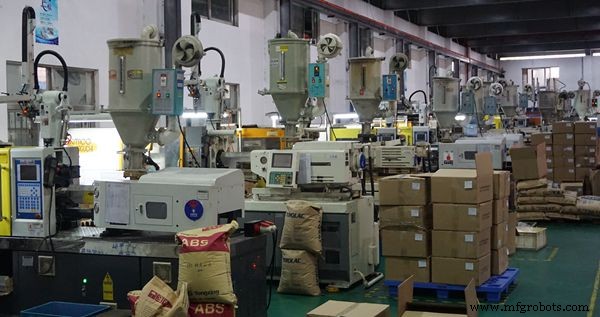
5. Labor and Support Services
While the process is highly automated, key human inputs remain:
- Setup – configuring the machine and mold requires skilled technicians.
- Maintenance – routine checks and repairs keep equipment running smoothly.
- Operator Oversight – operators monitor cycle parameters and intervene when needed.
Production volume also shapes cost structure. The following tables illustrate typical cost breakdowns for low, mid, and high volumes.
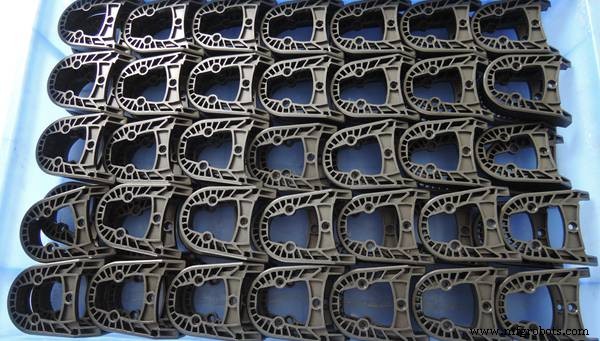
Low‑Volume Production (100–2,000 parts)
For small runs, rapid tooling (e.g., 3D‑printed cores) and simple machines keep costs low. A typical 100‑piece run might look like this:
- Parts: 100–1,000
- Mold cost: $100–$1,000
- Raw material per part: $0.50
- Total material: $50–$500
- Labor per part: $3–$30
- Total labor: $300–$3,000
- Grand total: $450–$4,500
- Cost per part: $4.50
Mid‑Volume Production (5,000–10,000 parts)
Mid‑range runs benefit from pre‑hardened steel or aluminum molds. A 5,000‑piece batch might cost:
- Parts: 5,000–10,000
- Mold cost: $2,500–$5,000
- Raw material per part: $0.50
- Total material: $2,500–$5,000
- Labor per part: $2
- Total labor: $10,000–$20,000
- Grand total: $15,000–$30,000
- Cost per part: $3.00
High‑Volume Production (100,000–300,000 parts)
Large runs typically use steel molds and high‑capacity machines, spreading the upfront investment over many units.
- Parts: 100,000–300,000
- Mold cost: $25,000–$75,000
- Raw material per part: $0.50
- Total material: $50,000–$150,000
- Labor per part: $1
- Total labor: $100,000–$300,000
- Grand total: $175,000–$525,000
- Cost per part: $1.75
Clearly, the cost per unit drops dramatically as volume increases, making injection molding highly economical for mass production.
Below are additional tactics to trim costs without sacrificing quality.
Use Design for Manufacturing (DFM)
DFM involves crafting the part with manufacturing constraints in mind, balancing performance, cost, and ease of production. Early DFM reviews can save thousands by eliminating costly features before tooling begins.
Simplify Features
Remove unnecessary fillets, grooves, or decorative textures that add no functional value. Each extra feature may require a new mold cavity or extra processing steps.
Consider Universal Molds
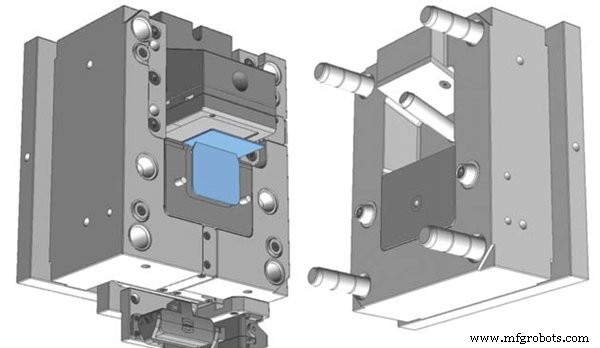
When a custom shape isn’t required, a universal or standard mold can deliver comparable quality at a lower price. Always have a finalized CAD model ready to spot potential DFM issues early.
Choose Cost‑Effective Materials
ABS, polypropylene, and other commodity thermoplastics offer lower resin prices while meeting most mechanical requirements. Use higher‑grade materials only when performance demands justify the premium.
Explore Insert Molding
Insert molding and overmolding allow you to combine plastic with metal or rubber parts in a single cycle, eliminating the need for separate fastening or assembly steps.
Limit Mold Cavities
Every additional cavity raises the tooling cost. Use mold‑flow analysis to identify opportunities to reduce cavity count without compromising part quality.
Design Self‑Mating Parts
Parts that snap together when rotated save on assembly labor and allow a single half‑mold to produce the entire component, effectively halving mold cost.
Injection molding remains one of the most widely used manufacturing methods today. By understanding its cost drivers and applying smart design choices, you can optimize both production efficiency and profitability.
Is Injection Molding Expensive?
Cost depends on volume and part complexity. For high‑volume, low‑complexity parts, injection molding is often the most economical route.
How Much Does Injection Molding Cost?
Prices range from a few hundred dollars for a single prototype to hundreds of thousands for large production runs, reflecting the diversity of applications.
Can Injection Molding Use Materials Other Than Plastic?
While thermoplastics dominate, injection molding can also process metals, elastomers, and composites, broadening its applicability.
Industrial Technology
- Essential PCB Layer Knowledge Every Electronics Project Needs
- Key Factors Influencing Industrial Powder Coating Costs
- Chip Formation Explained: Diagrams, Types, and Influencing Factors
- Top 11 High-Performance Plastics for CNC Machining: Key Benefits
- Advanced Strength of Materials: Essential Resource for Engineers
- Swanton Welding Boosts Safety Standards with Lancaster Safety Partnership
- Mastering PCB Troubleshooting: The Ultimate Guide to Identifying and Fixing Common Issues
- CNC Vertical Machining Centers (VMC): Applications, Benefits, and How They Compare to Horizontal Centers
- Turning in Machining: Definition, Types, and Key Operations
- Develop a PLCnext Console Application Using C#: A Beginner’s Guide