



What Is Wear Resistance and How to Design Products That Withstand Wear
Wear is a relentless force that gradually degrades materials—from everyday kitchen knives to the bucket teeth on heavy mining equipment. Whenever two surfaces rub, both can suffer damage.
This article explains the science of wear, the concept of wear resistance, and practical strategies for integrating wear‑resistant design into your products.
What Is Wear?
In tribology—the study of friction, lubrication, and wear—wear is defined as the progressive deformation or removal of a material’s surface under mechanical load. Engineers typically categorize wear into four primary mechanisms:
- Adhesive wear – Material transfer between surfaces due to intimate contact.
- Abrasive wear – Damage caused by hard particles or a rough surface sliding against or pressing into another surface.
- Corrosion wear – The synergistic action of corrosion and mechanical forces that erodes a weakened surface.
- Surface fatigue – Micro‑crack initiation from cyclic loading that eventually leads to material removal.
The rate at which a material wears depends on the active mechanism, material properties, applied forces, exposure frequency, temperature, and many other variables. Understanding these factors is essential for predicting component life.
What Is Wear Resistance?
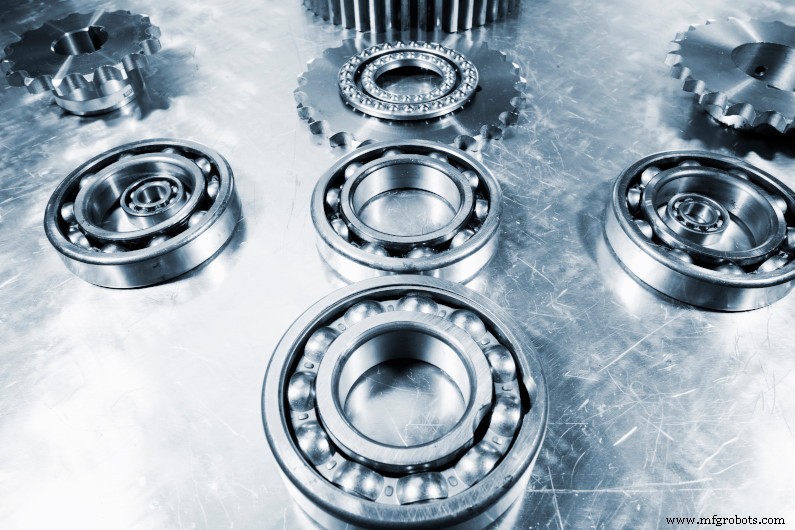
Wear resistance describes a material’s ability to resist surface loss over time. While hardness is often cited, it is not the sole determinant. Other critical factors include lubricity, surface roughness, coefficient of friction, and the specific wear mechanism in play.
For instance, plain carbon steel is highly susceptible to corrosion wear, whereas stainless steel offers superior corrosion resistance. Likewise, a bearing that operates in a clean, lubricated environment can last many more cycles than one that is dry and exposed to contaminants.
Ultimately, designing for wear resistance means anticipating the wear mechanisms your product will encounter and selecting materials and surface treatments that mitigate those effects. Incorporate self‑lubricating alloys, surface hardening, or protective coatings as appropriate.
For deeper guidance on material selection and design strategies, see our article on Designing for Wear Resistance.
Machining & Processing Wear‑Resistant Materials
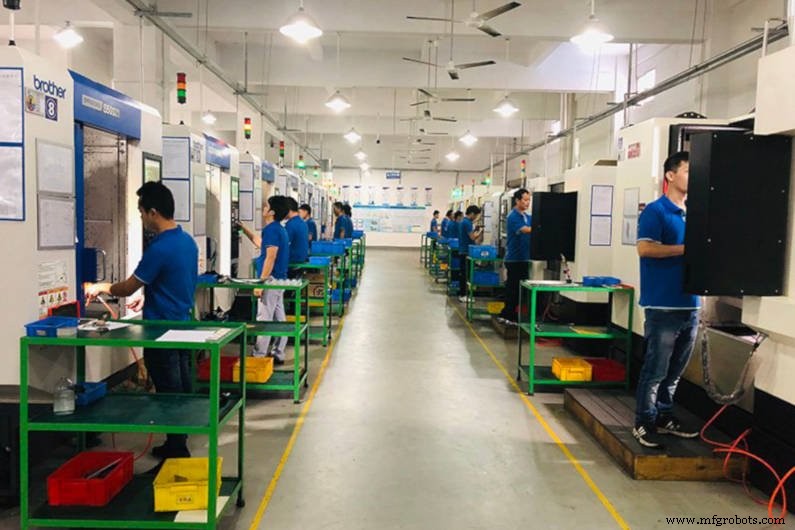
High‑performance, wear‑resistant alloys can significantly enhance product longevity but often present challenges during machining and processing. Achieving the desired geometry without compromising material integrity requires meticulous tooling selection, optimized cutting parameters, and, where necessary, specialized cooling techniques.
Our experienced team at Gensun specializes in precision machining of tough materials, delivering fast, cost‑effective CNC solutions that maintain dimensional accuracy and surface finish.
Industrial Technology
- Level 1 Fasteners Enhances Production Efficiency with Lean Manufacturing
- Flexible Rectenna Converts WiFi Signals into Electricity for Tiny Devices
- Top 10 Laptops Debuted at CES 2020 – Cutting‑Edge Performance & Design
- Optimizing PCB Design for Manufacturing: Key Strategies & Best Practices
- Master Arduino Shields: Complete Guide to Adding Functionality
- Asset Management vs Facility Management: Key Differences & How They Drive Business Success
- The Critical Impact of Baseplate Installation on Centrifugal Pump Reliability
- Common Causes of Motor Controller Failure and How to Diagnose Them
- Sand Casting vs Forging: Choosing the Right Metal Fabrication Method
- 8 Innovative Electronics Startup Ideas to Launch in 2019