



3 Proven Strategies for Designing Durable, Wear‑Resistant Products
In our previous discussion, we highlighted how wear drives product lifecycle—sometimes lasting decades, other times just hours—depending on application and operating conditions. Because of this, wear must be integrated into every phase of design.
Below are three essential pillars that can dramatically extend the service life of high‑wear components.
#1 Build Wear‑Resistant Designs from the Start
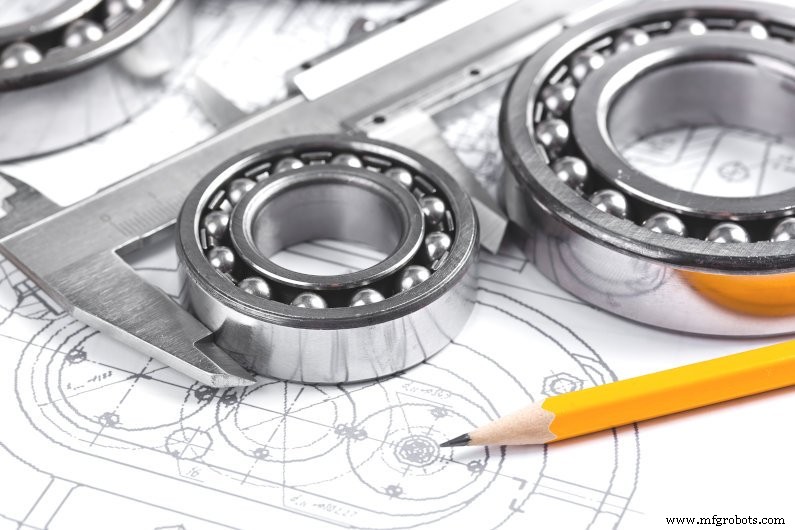
The foundation of any robust product is a clear service‑life requirement that informs all downstream decisions. During the design phase, specify constraints such as the need for external lubrication, contact surface types, and expected load cycles. These parameters will shape your choice of geometry, material, and finish.
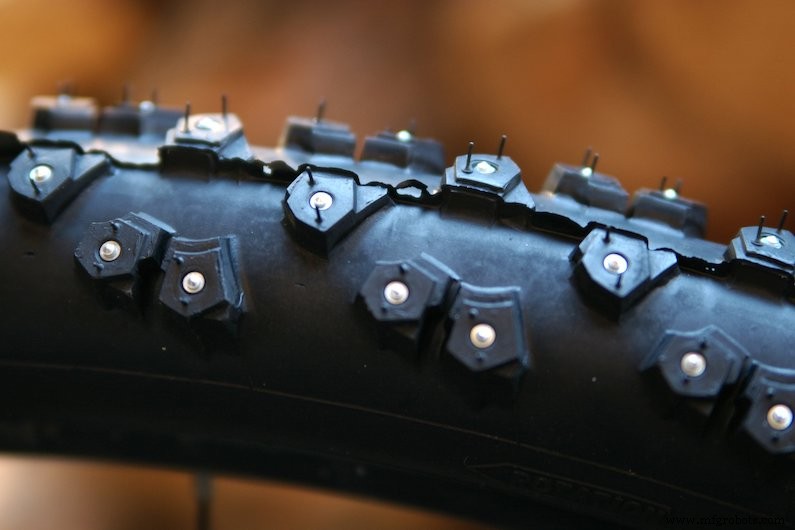
For example, motorcycle street tires are engineered for rider comfort, yet the compound and tread pattern selected can significantly influence wear resistance. By iterating on shape, material, and pattern, designers can meet performance targets while minimizing premature degradation.
#2 Choose Materials That Match Your Wear Profile
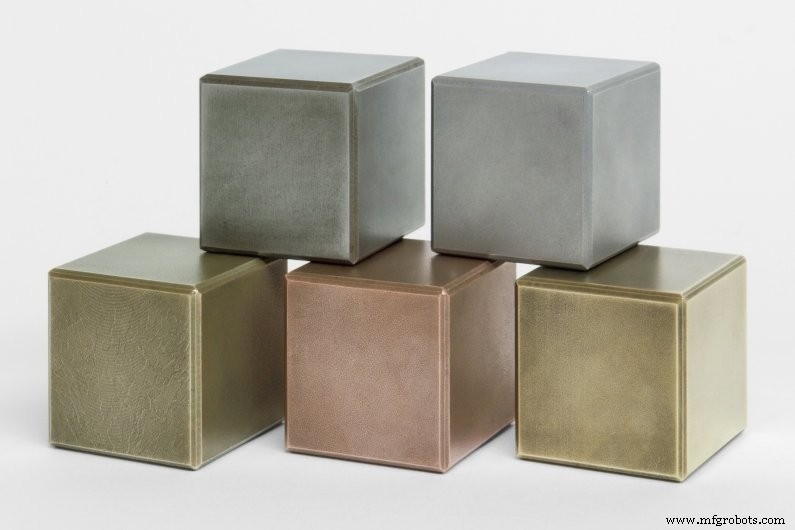
Ultra‑high‑performance alloys—such as tungsten carbide, Nitronic stainless steel, and Stellite cobalt‑chromium—offer exceptional wear resistance. However, selecting the most wear‑resistant material is not always the optimal solution. For instance, metal tires would be impractical for cars, and tungsten carbide knives, while sharper, are heavier and brittle.
Instead, leverage specialty formulations within each material class that target specific wear mechanisms. If steel is required, an abrasion‑resistant alloy can extend life without compromising cost or manufacturability.
#3 Apply Targeted Coatings and Surface Treatments
Surface engineering offers a cost‑effective way to boost wear performance. Options include protective coatings, metal hardfacing, and heat‑treatments—all chosen based on the base material and functional demands.
For example, hardfacing mining bucket teeth with a tungsten carbide layer enhances abrasion resistance while preserving the ductility and lower cost of the underlying steel.
Machining & Processing High‑Wear Materials
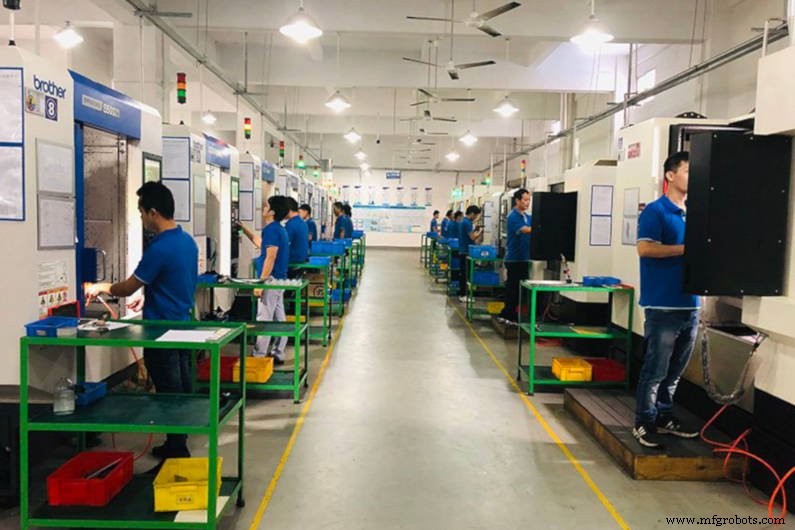
Advanced wear‑resistant alloys often present machining challenges. Precision machining must be executed with careful tool selection, cooling strategies, and process monitoring to avoid inducing micro‑cracks or surface damage.
Gensun’s team of experts specializes in CNC machining of such materials, delivering high‑quality, precision parts quickly and cost‑effectively—ensuring your fabrication project meets stringent wear‑resistance standards.
Industrial Technology
- JFET Current Regulator – Build and Test a Stable Constant‑Current Source
- Choosing the Right Metal: Inconel vs. Stainless Steel for Industrial Applications
- 9 Proven Strategies to Cut Costs in Multilayer PCB Production
- Expert Guide to Sample Cylinder Maintenance: Key FAQs & Best Practices
- First Quantum‑Computer Simulation of a Deuteron Nucleus
- Understanding Look‑Up Tables: From ROMs to Advanced ALUs
- Parallel vs. Crossed Helical Gears: Key Differences Explained
- Digital Procedure Writing: Simple, Efficient, and Reliable
- Advanced Deep-Hole Drilling with ADO-30xD Carbide for Engine Block Production
- Why Injection Molds Are Costly: An Expert Guide to Pricing and Savings