



Electric Blanket: History, Technology, Safety & Manufacturing Insights
Background
An electric blanket is a bedding accessory equipped with a built‑in heating element that allows sleepers to maintain a comfortable temperature, even in cold rooms. Modern models feature advanced temperature sensors that adjust heat in real time based on skin and ambient temperature. Programmable settings enable pre‑warm, timed shut‑off, and dual‑zone control for couples. Some blankets even target specific body regions—such as delivering extra warmth to the feet while keeping the head cooler. In the United States, roughly 4.5 million electric blankets are sold each year, underscoring their popularity as a cost‑effective way to reduce home heating expenses.
History
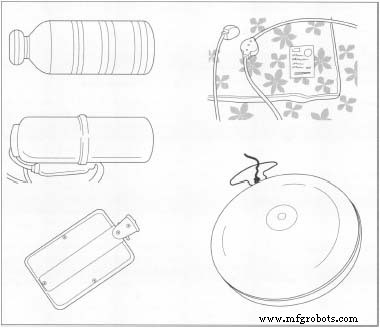
The concept dates back to 1912 when American physician Sidney Russell invented an electrically heated pad for invalids. The first commercial products appeared in the 1920s, primarily used in tuberculosis sanatoria where patients slept with open windows for fresh air but needed protection from drafts. Over the next decade, electric warmers evolved from simple hot‑water bottle replicas to domed, light‑bulb‑heated devices. By 1936, companies introduced heated quilts with automatic temperature controls that cycled on and off in response to room temperature changes.
World War II accelerated innovation. Research on electrically heated flight suits for pilots led to safer, thinner, and more foldable blankets. General Electric capitalized on this technology, launching automatic blankets that highlighted wartime experience. Post‑war models retained the basic shell‑wire‑thermostat design but gradually incorporated more embedded thermometers—e.g., a twin‑size blanket might contain four sensors in the 1950s and up to ten by the 1980s. In 1984, the industry shifted to thermostatless “positive temperature coefficient” wiring that allowed the blanket itself to sense body and room temperature without external thermostats.
Safety Concerns
In the 1990s, concerns arose over extremely low frequency (ELF) electromagnetic fields emitted by electric blankets. A 1990 study in the American Journal of Epidemiology linked maternal use of electric blankets during pregnancy to higher risks of brain tumors and childhood leukemia. Although subsequent research produced mixed results, the issue prompted congressional scrutiny. The U.S. Food and Drug Administration concluded insufficient evidence for regulation, yet manufacturers responded by redesigning wiring to use parallel, counter‑current conductors that effectively cancel most ELF fields. Blankets produced after 1992 exhibit significantly reduced electromagnetic emissions, and industry safety standards have since stabilized.
Raw Materials
Electric blankets are constructed from three primary components: a specialized woven shell, a heating element, and a bedside control/power cord. The shell is typically a polyester–acrylic blend engineered for durability and comfort. Heating elements consist of a positive temperature coefficient alloy wrapped in a proprietary plastic jacket; this material heats and cools autonomously, eliminating the need for external thermostats. The control unit and cord are generally fabricated from a combination of plastics and metals by third‑party suppliers.
The Manufacturing Process
Making the Yarn
- The manufacturer sources fibers from a dedicated fiber supplier, blends them, and spins the yarn for the blanket shell.
Weaving the Shell
- High‑speed looms weave the shell into 20–30 long, hollow channels that run from head to foot. The channels form a double‑layer structure with a single‑layer fabric interspersed. The result is a single, continuous piece of cloth.
The Heating Element
- Special alloy rods are cleaned, drawn through a wire‑drawing machine, and encased in extruded plastic insulation. The finished wire spools are delivered to the assembly plant.
-
Inserting the Heating Element
- Custom threading machinery pushes the wire end through the shell’s channels, creating a continuous zig‑zag pattern. Earlier blankets used segmented wires joined by thermostats; modern designs employ a single uninterrupted length.
Final Assembly
- Additional steps include sewing the manufacturer’s label, trimming edges, attaching the bedside control and power cord (often sourced externally), and conducting a visual inspection. The finished blanket is then folded, bagged, and boxed.
Quality Control
Each component undergoes rigorous testing. The shell is inspected for foreign materials and uniform thickness. The heating element is tested during production for short circuits, foreign inclusions, and correct power dissipation. Control units and cords are verified by their suppliers. Manufacturers also register with Underwriters Laboratories (UL), a respected independent testing organization. UL audits ensure compliance with safety standards, allowing blankets to display the UL symbol—a hallmark of consumer trust. Fire safety is paramount; heating elements are fully insulated to prevent combustion. Although ELF field testing is no longer routine, manufacturers continue to prioritize electrical safety, ease of use, and overall reliability.
The Future
By the 1999/2000 winter, sales reached 850,000 units. Forecasts for 2001 predict a shift toward “heated blankets” with slimmer wiring and vibrant shell designs targeting younger consumers. Enhanced programmability and broader appeal are expected to sustain growth in an increasingly competitive market.
Manufacturing process
- Custom Shop-Built Electric Coffee Grinder – Engineering a Precise Grind
- The Electric Guitar: History, Design, and Modern Innovations
- Electric Tea Kettle: History, Design, and Future of Modern Tea Brewing
- Electric Vehicles: A Sustainable Revolution in Transportation
- DC Electric Arc Furnace: Efficient Single-Electrode Steelmaking Technology
- Electric Power Transmission: From Plants to Consumers—Efficient Delivery Systems
- The Ultimate Guide to Throw Blankets: Comfort, Size, and Quality Tips
- Choosing the Right Pallet Truck: Manual vs. Electric
- Electric Submersible Pumps Explained: How They Work and Why They’re Essential
- Electric Rotary Tables Explained: Benefits, Features, and Applications