



Choosing the Ideal Generator Size for Your Business: A Step‑by‑Step Guide
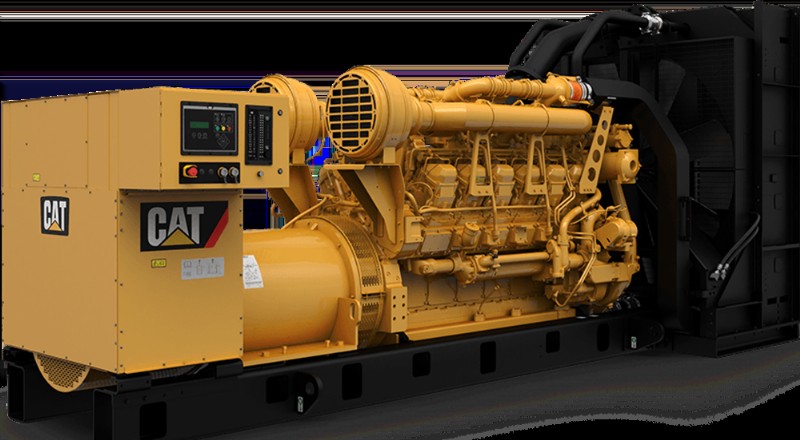
Reliable power is the backbone of any productive business. Whether you run a retail store, a manufacturing plant, or a large commercial facility, selecting a generator that matches your exact needs is essential to avoid costly downtime, equipment damage, and safety risks.
By following a systematic sizing process—calculating load, evaluating site conditions, and selecting the appropriate type of generator—you can guarantee dependable performance, lower maintenance costs, and compliance with industry standards.
Below is a concise, expert‑backed approach to help you determine the right generator size for your operations.
1. Assess Your Power Requirements
Begin by cataloguing every piece of equipment that must stay powered during an outage or when primary power is unavailable. Use the following formulas, commonly adopted in the industry, to translate square‑footage to power needs:
- Retail: kW = 50 + 10 W/ft²
- Commercial: kW = 30 + 5 W/ft²
Alternatively, if you have detailed equipment lists, sum the kilowatt (kW) rating of each device. Multiply the total kW by a derating factor—typically 1.2 to 1.3—to account for simultaneous startup surges and future expansion.
2. Define Your Site Conditions
Once you have a target kVA/kW range, consider these critical site variables:
- Is the generator portable or permanently installed?
- Does your facility have limited floor space or specific environmental restrictions?
- Do you require single‑phase or three‑phase output?
- What fuel type (diesel, natural gas, propane) is available and most economical?
- Will altitude or ambient temperature affect performance?
These factors influence the final generator selection, ensuring you choose a unit that delivers optimal efficiency and meets regulatory requirements.
3. Choose the Right Power‑Supply Strategy
Different operational goals demand distinct generator configurations:
- Primary (Utility‑Assist): Runs continuously during peak‑rate periods to reduce electricity bills.
- Standby: Automatically engages when the grid fails, keeping all critical loads running.
- Emergency: Powers only essential equipment, conserving fuel and extending the unit’s service life.
For most businesses, a standby generator is the safest choice, ensuring uninterrupted operation for all critical systems. However, if your budget or space is constrained, an emergency setup might suffice.
4. Determine Placement and Installation
Indoor installations preserve space but require ventilation, noise‑attenuation measures, and access for maintenance. Outdoor units free up valuable floor area and reduce heat buildup but need protection from weather and secure mounting. Size the enclosure to accommodate the generator’s footprint, airflow, and future expansion.
Engage a licensed electrician or power‑systems consultant to finalize the layout, ensuring compliance with local codes and safety standards.
5. Leverage Online Sizing Tools
For a quick estimate, the Caterpillar SpecSizer allows you to input your calculated load and receive a shortlist of compatible generator models. Register for a Caterpillar CWS ID to access the full feature set.
6. Work with a Trusted Supplier
NMC Cat’s power‑systems team specializes in commercial and industrial generator sizing. We assess your unique needs, recommend the most efficient models from our extensive inventory, and offer comprehensive post‑installation services—including load‑bank testing, fuel‑system cleaning, component rebuilds, and custom paint jobs—to keep your generator running safely and reliably.
Ready to get started? Contact us today to discuss your project and schedule a consultation.
Tags:
Equipment Maintenance and Repair
- Overcoming the 4 Key Barriers to Adopting Maintenance Management Software
- 5 Army‑Inspired Strategies to Boost Employee Focus, Resilience, Loyalty, Leadership and Training
- Fairfield Works Launches Innovative Maintenance Training Program to Secure Skilled Workforce
- Tracks vs. Wheels: Choosing the Right Construction Equipment for Efficiency & Safety
- Senseye Expands U.S. Automotive Operations with Advanced Predictive Maintenance Deployments
- Master Low‑Volume CNC Machining: Benefits & Design Strategies
- Maximize Maintenance Budgets with CMMS Data Insights
- ANSI/ASHRAE/ACCA Standard 180-2008: Comprehensive Guide to HVAC Inspection & Maintenance
- Expert Guide to Anaerobic Adhesives and Threadlockers: Applications, Performance, and Best Practices
- Mastering Machine & Equipment Downtime Analysis: A Proven Guide