



Top Construction Safety Hazards – Proven Strategies to Protect Your Workforce
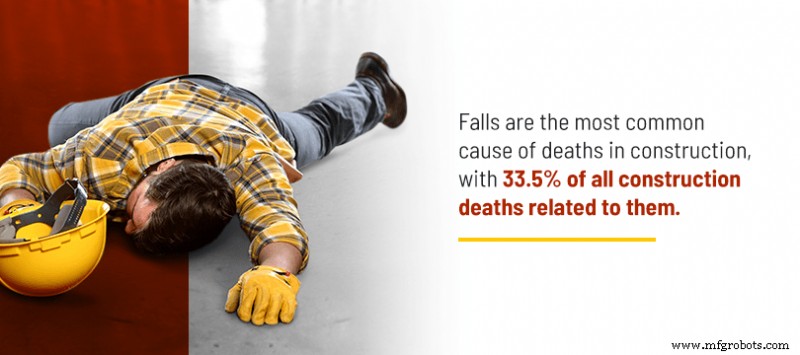
OSHA’s 2018 statistics show 1,008 construction deaths – a staggering one‑in‑five of all U.S. worker fatalities. Four hazards account for over half of these deaths: falls (33.5%), struck‑by‑objects (11.1%), electrocutions (8.5%) and caught‑in/between incidents (5.5%).
Understanding these risks is the first step toward a safer site. Below you’ll find evidence‑based tactics to mitigate each danger and keep your team out of harm’s way.
Major Construction Hazards and How to Prevent Accidents
Effective safety programs start with hazard identification. Once you know the primary threats, you can deploy targeted controls to reduce injury risk and protect productivity.
1. Trips and Falls
Falls remain the leading cause of construction deaths. High‑elevation work, inadequate scaffolding, and cluttered walkways all contribute to falls.
Key prevention measures:
- Designate a trained supervisor for scaffold design, erection, and dismantling.
- Implement daily scaffold inspections and maintain records.
- Ensure scaffolds rest on solid, level footing.
- Keep scaffolds at least 10 feet from power lines.
- Install mid‑rails, toe‑boards, and guardrails; fully plank and deck surfaces when possible.
For workers operating 6+ feet above ground, install personal fall arrest systems, guardrails, or safety nets. Clear pathways of debris and use signage to alert about uneven terrain.
2. Struck by Object
Falls from above and dropped tools account for 11.1% of construction deaths. Common causes include overloaded machinery, unsecured loads, and inadequate fall protection.
Mitigation strategies:
- Mandate hard‑hat use at all times.
- Adhere strictly to equipment load limits.
- Install safety nets around high‑risk zones.
- Use a safety monitor to spot hazards and brief crews.
- Equip workers with high‑visibility clothing.
- Avoid positioning in the path of moving or fixed equipment.
3. Electrocutions
Electrical hazards cause roughly 8.5% of construction fatalities annually. Common risks stem from untrained personnel, proximity to power lines, and hidden cables.
Protective actions include:
- Provide hard hats rated for electrical protection; replace any that have been shocked.
- Use double‑insulated or grounded portable tools.
- Mark all live conductors and maintain clear signage.
- Require comprehensive electrical‑safety training for all workers involved in electrical tasks.
4. Caught‑In/Between
This category accounts for 5.5% of deaths. Crushing or entrapment typically occurs in excavations, near heavy machinery, or during structural collapse.
Preventive measures:
- Prohibit entry into trenches deeper than 5 feet without proper shoring, trench shields, or sloping.
- Equip all machinery with guards and clearly identify crush points.
- Train crews on situational awareness and safe operating procedures.
Invest in Safe Equipment from NMC Cat
Choosing high‑quality, reliable machinery can dramatically lower the risk of dropped materials and other site hazards. NMC Cat offers a range of Cat® equipment designed for precision, safety, and productivity.
Explore our selection to see how Cat® technology can protect your workforce while boosting efficiency. Contact us today for personalized recommendations.
Tags:
Equipment Maintenance and Repair
- Expert Industrial Maintenance for Distribution Centers
- eMaint Recognized as CMMS Master in 2018 FrontRunners Quadrant
- Industries We Serve: Expertise in Food, Defense, Automotive, Mining, Agriculture, and Energy
- T. Baker Smith Partners with eMaint to Deploy a Comprehensive CMMS Solution
- ABB’s Award-Winning FACTS Solution Enhances Reliability & Cuts Emissions for Dallas‑Fort Worth Power Grid
- Master Root Cause Analysis with the 5 Whys: A Lean Tool Explained
- 5 Proven Tips to Seamlessly Connect Fluke Connect™ Sensors with eMaint CMMS
- CNC Machining: Boosting Precision & Efficiency in Agriculture
- Technology-Driven Solutions for Effortless Heavy Equipment Maintenance
- Grease vs. Oil: Selecting the Optimal Lubricant for Linear Bearings