



Choose Maintenance Wisely: Let Risk and Equipment Guide Your Strategy
At industry conferences, I frequently encounter the claim that preventive maintenance is too costly and often the wrong approach—particularly when it comes to time‑based inspections. While this perspective is common, it’s essential to examine the evidence and determine when it truly applies.
Reliability‑Centred Maintenance (RCM) reminds us that a single bathtub curve cannot describe all equipment failures. In fact, over 80% of failures occur outside the infant‑mortality or wear‑out zones, meaning they’re random and unpredictable. Condition‑based monitoring—using vibration, temperature, and other sensors—often outperforms time‑based preventive maintenance in both cost and effectiveness, especially for major overhauls.
RCM shifts the focus to risk: minimizing the consequences of failure rather than blindly applying preventive strategies. The RCM Logic Tree prioritizes safety and environmental protection first, then production or capacity losses. If a piece of equipment can be monitored conditionally, that’s usually the preferred path.
When condition monitoring isn’t feasible, time‑based inspections and overhauls become necessary. If we can’t predict failure, we may consider redesigning the asset or, in rare cases, running it to failure—provided we have a robust strategy to restore it quickly (see Neil Bloom’s Canon Law) and avoid collateral damage that would increase costs.
Here are concrete examples where time‑based preventive maintenance makes sense:
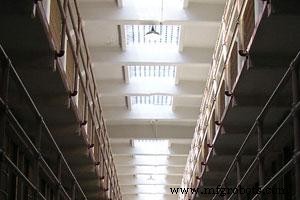
- Correctional Facility Lighting: Cell blocks must be vacated for maintenance. Re‑lamping at a 10,000‑hour interval can be more cost‑effective than reacting to failures.
- Contact Lens Manufacturing: Small, tightly‑packed components (cylinders, servo drives) resist condition monitoring. Cycle‑based component changes remain the industry norm.
- 165‑Valve Bottle Fillers in Beverage Production: High‑volume shifts and random failures make downtime costly. Time‑based overhauls reduce the risk of catastrophic breakdowns.
In short, while condition‑based monitoring is generally the most economical choice, the specific risks and failure modes of each asset dictate the optimal maintenance strategy. Leveraging tools like the RCM Logic Tree helps you make evidence‑based decisions.
Equipment Maintenance and Repair
- Mastering Lean Maintenance: Build, Measure, and Sustain a Waste‑Free Strategy
- Revamping Maintenance Strategies: How PM Optimization & FMEA Reduce Post‑Repair Failures
- Is Reactive Maintenance Right for Your Facility? Balancing Cost, Safety, and Reliability
- TOTAL partners with SKF to craft integrated maintenance & inspection strategy for Indonesian gas plants
- Fault Detection & Diagnostics: Enhancing Equipment Reliability and Maintenance Efficiency
- Crafting an Effective Maintenance Policy: A Step‑by‑Step Guide
- Maximizing Machinery Longevity: Professional Heavy Equipment Repair & Maintenance Guide
- Proven Engine Maintenance Strategies to Safeguard Heavy Equipment
- Ensure Peak Performance: Essential Engine Maintenance for Heavy Machinery
- Professional Facility & Industrial Maintenance Services