



First Impressions Matter: A Professional Guide to Equipment Troubleshooting
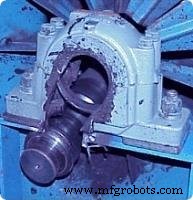 When troubleshooting machinery—whether diagnosing unusual vibration or a component failure such as a bearing or seal—first impressions from the initial inspection are critical. Every troubleshooting session should begin with a comprehensive review of the machine’s history: design, process, operation, maintenance records, and all available specifications. These early observations equip the team with essential data and reduce the risk of a false diagnosis.
Many novices jump straight into tool work, but a more disciplined approach is to pause, collect observations, and look for hidden reliability issues. Below are key steps for an effective first‑inspection routine:
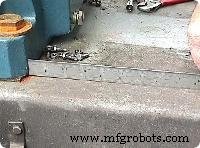 Overall cleanliness: Good housekeeping often signals rigorous maintenance standards. Beyond dust, examine the base, foundation, piping supports, and seal integrity for clues about maintenance practices or environmental conditions that could compromise reliability. Ask whether field repairs can be performed without introducing contaminants that shorten part life.
- Detailed machine inspection: Begin at the machine base and look for decay or improper anchoring. Inspect feet, shims, and hold‑down bolts—poor base work usually reflects a broader quality gap. Progress to the shaft and drive components (couplings, belts, etc.) to identify shaft damage, incorrect coupling assembly, or key length errors. Even if these aren’t the root cause, correcting them will enhance overall reliability.
- Basic vibration check (if running): Use a simple tool such as a serrated‑edge coin to gauge relative movement while the machine operates. While vibration analysis often focuses on bearings, the coin method allows you to feel for unusual motion from the base upward, especially at critical boundaries—base‑to‑foundation, machine feet‑to‑base, and all piping/conduit connections. A loose base bolt can dramatically affect performance.
- Document observations meticulously: Detailed notes create a professional report that highlights improvement opportunities to extend machine life and reliability. While on site, inspect nearby equipment for similar issues and present your findings to stakeholders. Transparent communication of corrective steps is often welcomed, even if it exposes existing flaws.
Balancing Equipment Ownership and Cross‑Training for Maintenance Technicians
Maximizing Value from Shutdowns, Turnarounds & Outages: A Strategic Guide
Equipment Maintenance and Repair
- Diagnosing Power Quality Issues in HVAC Systems: A Practical Guide
- Why Mastering Machine Troubleshooting is Critical for Modern Manufacturers
- What Is a Machine Shop? – Understanding the Role, Equipment, and Safety Standards
- 5 Expert Tips to Launch Your First Prototyping Lab
- AWS Monitron Review: Early Insights on Amazon's IoT Vibration Sensor
- The Critical Role of a Structured Equipment Maintenance Workflow
- Essential Safety Guidelines for Operating Fiber Laser Cutting Machines
- Top 7 Strategies for Successfully Selling Your Used Machinery
- Secure Your Jobsite: Prevent Theft, Weather Damage, and Boost Productivity
- Why Custom Non-Standard Machines Matter: Key Benefits Explained