



Ensuring Proper Torque: A Key Standard Practice in Maintenance
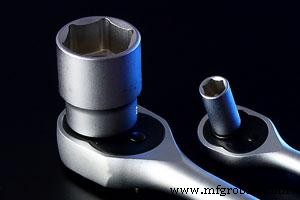
OEM maintenance procedures consistently emphasize the importance of proper torque values for fasteners. Standard work manuals—covering tasks such as gasket replacements, motor alignments, bearing installations, and gearbox rebuilds—typically specify exact torque ranges. Yet, in practice, many technicians perform these jobs without a torque wrench on hand.
\nTwo factors drive this gap: tool availability and managerial reinforcement. If a procedure lists a torque value but no torque wrench is on the job site, the guideline quickly loses credibility. Technicians may treat the documentation as a formality rather than a standard, eroding the long‑term benefits of consistent, high‑quality work.
\nEnsuring that torque wrenches are readily accessible is the first step. Store a few calibrated wrenches of each range in a central location where everyone can reach them. In larger facilities, issuing a dedicated set to trusted technicians can prevent tools from “getting lost.” A hybrid approach—central storage plus individual kits—often yields the best results.
\nRoutine tightening tasks, such as flange work, can be handled with standard‑range wrenches, while specialty jobs—bearing installs, gearbox rebuilds, and other precision work—require calibrated instruments. Those higher‑grade wrenches should be periodically verified by the manufacturer to maintain accuracy for the OEM‑specified torque values.
\nManagement plays a critical role in sustaining proper torque practices. By making the appropriate tools available, clearly stating the torque requirements in procedures, and communicating the value of precise fastening, leaders can motivate technicians who already take pride in their craft. For the minority who may lack that intrinsic drive, consistent enforcement—through checklists, audits, or supervisory oversight—ensures compliance.
\nEquipment Maintenance and Repair
- Webinar Recap: Managing Facility Shutdowns – Part 1: Hot Stops
- Is Reactive Maintenance Right for Your Facility? Balancing Cost, Safety, and Reliability
- Are Your Lubrication Practices Truly Effective?
- Effective Maintenance Leadership: Building Processes and Enabling Performance – Part 2
- Crafting Effective Standard Maintenance Procedures: Boost Reliability and Safety
- Standard Work Practices: Elevate Maintenance Reliability
- Maximize Your Organization’s Advantage: Turning Data into Strategic Insights
- Enhance Efficiency: Applying Lean Principles to SOPs
- The Critical Role of Safety Procedures and Manuals in Product Development
- Understanding Standard Work: Key to Quality and Waste Reduction