



Crafting Effective Standard Maintenance Procedures: Boost Reliability and Safety
A maintenance program is only as effective as the quality of its measurement data. Inaccurate or incomplete data can misdirect analysis, causing teams to focus on the wrong issues.
Well‑structured data‑collection procedures are the most reliable way to guarantee high‑quality data. Yet many facilities overlook the value of clear, written instructions—even for seemingly straightforward tasks.
In this guide we explore why precise procedures matter and provide a step‑by‑step framework for creating robust Standard Maintenance Procedures (SMPs).
An SMP is a comprehensive, step‑by‑step playbook that outlines exactly how a maintenance task should be executed and serves as the official benchmark for that work.
Every recurring maintenance activity—whether performed by in‑house technicians, contractors, or operators—must be governed by an SMP.
A preventive maintenance (PM) task is not a separate entity; it is simply a specific activity recorded within an SMP.
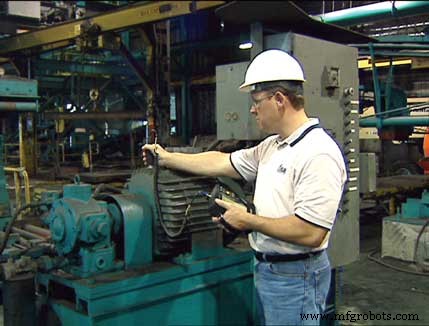
Standard maintenance procedures are the foundation of efficient, effective plant maintenance.
Why Standard Maintenance Procedures Are Essential
- Protect employee health and safety.
- Ensure consistent, precise execution across all personnel.
- Save time by eliminating guesswork.
- Help meet regulatory and industry standards.
- Mitigate the impact of personnel turnover.
- Increase equipment reliability and uptime.
- Serve as a robust training resource.
- Document equipment management processes.
- Safeguard the environment.
- Provide a factual basis for accident investigations.
Key Elements of an Effective SMP
- Formal title and document number.
- A clear pre‑task instruction: "Read all steps in this procedure before starting work."
- Required personal protective equipment (PPE).
- Identified safety and environmental hazards.
- A detailed, sequential list of task steps.
- Complete inventory of tools and materials.
- References to supporting documents.
- Illustrations or diagrams where needed.
- Specified measurements, standards, and tolerances.
- Additional notes that aid task completion.
- Skill level required.
- Estimated job duration.
- Number of personnel needed.
- Recommended frequency of execution.
- Preparation and revision dates.
- Approval and review signatures.
- Space for performer feedback on accuracy and effectiveness.
Feedback is vital. A formal mechanism ensures that SMPs evolve when users identify gaps or improvements, keeping them safe and effective.
Writing High‑Quality SMPs
Balancing detail is key: too much detail wastes resources and can slow execution; too little can leave tasks ambiguous or unsafe.
The goal is to provide just enough information for a trained craftsperson—or an operator with relevant maintenance skills—to complete the job, even if they have never performed it before.
Who Should Draft SMPs?
- Individuals trained in SMP creation and familiar with the organization’s writing guidelines.
- Experts on the safety and environmental risks involved.
- Subject‑matter experts or frontline performers who can validate accuracy and feasibility.
Best Practices for Drafting SMPs
- The writer bears responsibility for clarity; the focus is on the user.
- Drafts should undergo review and field testing before final publication.
- Use numbered line items; avoid paragraph blocks—one step per line.
- Keep wording concise and precise.
- Sequence steps logically, mirroring the natural workflow.
- Incorporate step check‑offs or quantitative values where relevant.
- Aim for a reading level of 4th–5th grade, matching the job’s minimum qualifications.
- Use graphics to clarify complex steps.
- Maintain consistent terminology throughout.
- Start each step with an action verb.
- Split long jobs into logical sections (e.g., Motor Removal, Gear Unit Removal).
Embed Safety Into Every Step
- Repeat safety warnings for each hazardous step, even if they were listed at the beginning.
- Use "Warning" to guard against personnel injury and "Caution" to protect equipment.
Implementing and Using SMPs
Developing solid SMPs is only the first step; ensuring they are actually used is equally critical. Many organizations invest heavily in drafting procedures, only to find them hidden away in archives or on servers.
To foster adoption, mandate SMP usage, provide easy access, and integrate them with work orders, machine displays, or operator stations.
Well‑crafted SMPs also double as reliable SOPs, reinforcing a culture of reliability and continuous improvement.
Equipment Maintenance and Repair
- Preventive Maintenance: A Comprehensive Guide to Reliability, Cost Savings, and Equipment Longevity
- How Structured Maintenance Procedures Cut Human Errors and Boost Reliability
- Standard Aero Earns 2006 SAE DoD Great Ideas Award for Engine Workscope Optimization
- ANSI/ASHRAE/ACCA Standard 180-2008: Comprehensive Guide to HVAC Inspection & Maintenance
- GE and Boeing Introduce Industry‑Standard OSA‑CBM for Condition‑Based Aircraft Maintenance
- Ensuring Proper Torque: A Key Standard Practice in Maintenance
- Standard Work Practices: Elevate Maintenance Reliability
- Elevating Maintenance Leadership: A Proven 2‑Year Mentoring Program
- Three Proven Steps to Build a Sustainable Reliability Program
- Why Robust Maintenance Procedures Are Essential for Industrial Success